Patent Draft With Ai In Bronx
Description

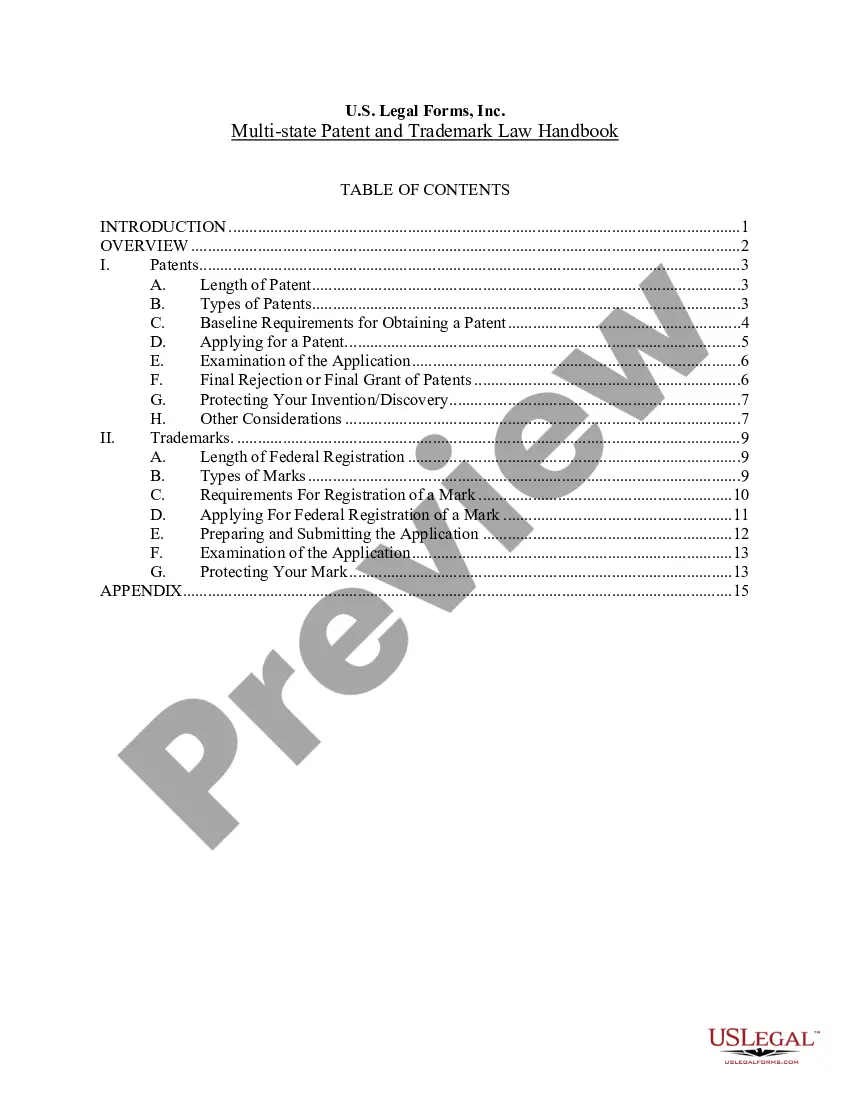
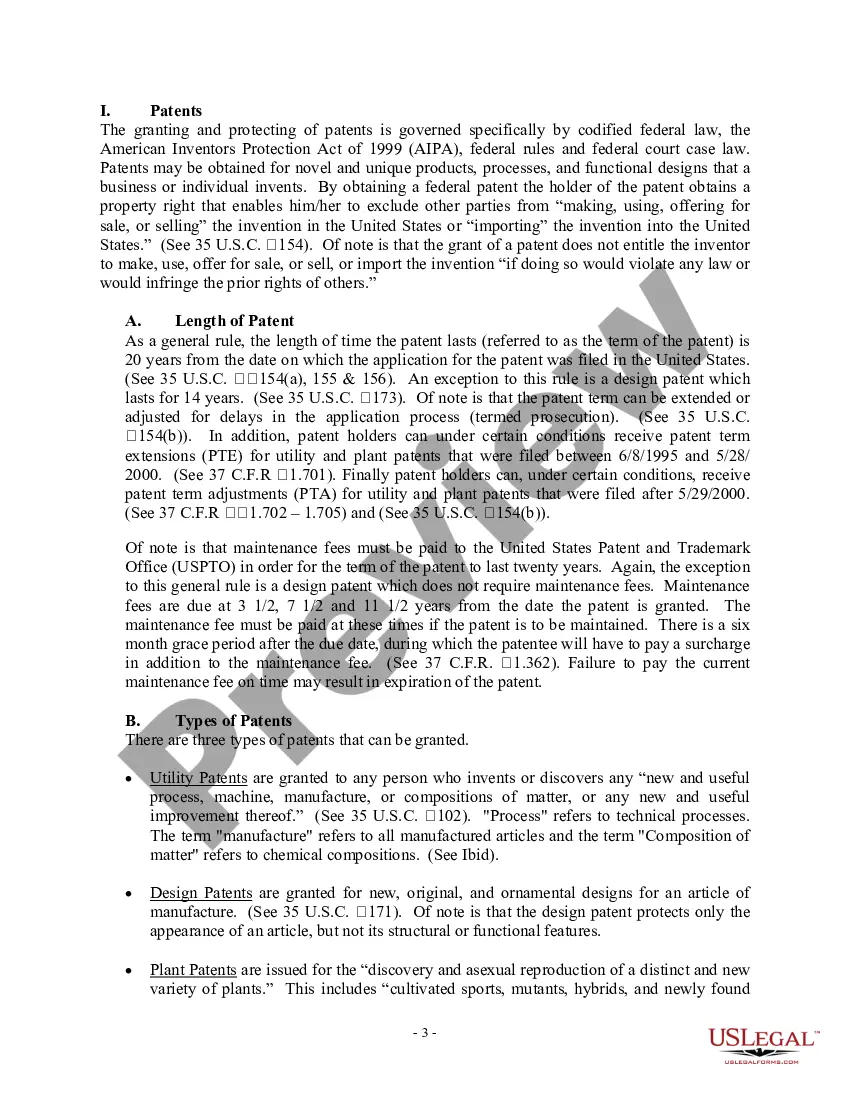



Get your form ready online
Our built-in tools help you complete, sign, share, and store your documents in one place.
Make edits, fill in missing information, and update formatting in US Legal Forms—just like you would in MS Word.
Download a copy, print it, send it by email, or mail it via USPS—whatever works best for your next step.
Sign and collect signatures with our SignNow integration. Send to multiple recipients, set reminders, and more. Go Premium to unlock E-Sign.
If this form requires notarization, complete it online through a secure video call—no need to meet a notary in person or wait for an appointment.
We protect your documents and personal data by following strict security and privacy standards.

Make edits, fill in missing information, and update formatting in US Legal Forms—just like you would in MS Word.

Download a copy, print it, send it by email, or mail it via USPS—whatever works best for your next step.

Sign and collect signatures with our SignNow integration. Send to multiple recipients, set reminders, and more. Go Premium to unlock E-Sign.

If this form requires notarization, complete it online through a secure video call—no need to meet a notary in person or wait for an appointment.

We protect your documents and personal data by following strict security and privacy standards.
Looking for another form?







Form popularity
FAQ
1. Solve Intelligence. Solve Intelligence includes the most features, covers every stage of the patenting process, and is therefore ranked highest on the list of AI patent tools. Solve offers a comprehensive range of features that span patent drafting, prosecution, and invention disclosure submission.
For example, AI can take an attorney-written claim and generate a suitable title or summary. Make sure the AI tool generates contextually relevant content, understanding the specific requirements of each section of a patent application to fit seamlessly.
The five primary requirements for patentability are: (1) patentable subject matter; (2) utility; (3) novelty; (4) non-obviousness; and (5) enablement. Like trademarks, patents are territorial, meaning they are enforceable in a specific geographic area.
Generate content when and where needed: Use AI tools that offer prompt assistance features to generate specific sections of a patent application on demand. For example, AI can take an attorney-written claim and generate a suitable title or summary.
Format of a Patent Application The Specification. The Title. The Description. The Claims. The Drawings. The Abstract. Sample Specifications. Minimum Requirements for a Filing Date.
Technical Process: If a prompt is part of a broader technical process—such as a novel method for interacting with an AI system or a unique way of using the AI to achieve a particular technical result—then it may be eligible for patent protection.
Yes, you can patent an AI invention or a machine learning model. The requirements for patenting an AI invention are the same as other utility patents.
To obtain patent protection, you will be required to publicly disclose how to make and use your AI model, which may be undesirable if your AI model is otherwise not publicly identifiable.
For example, AI can take an attorney-written claim and generate a suitable title or summary. Make sure the AI tool generates contextually relevant content, understanding the specific requirements of each section of a patent application to fit seamlessly.
Since an AI system doesn't meet the qualification of an inventor, it cannot transfer the patent filing rights related to the invention. Dr. Thaler's assertion of ownership through the "doctrine of accession," asserting rights due to his ownership of DABUS, was deemed erroneous.
