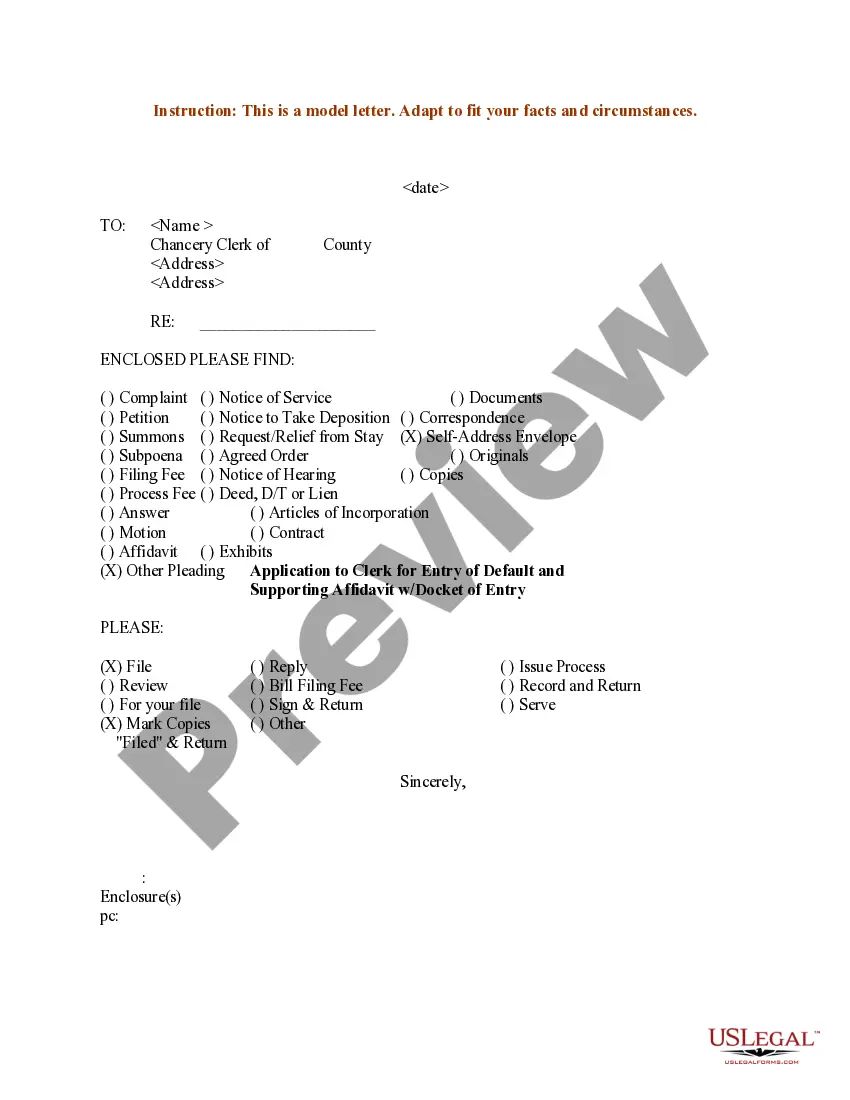
Examples Of Pleadings In California
Description
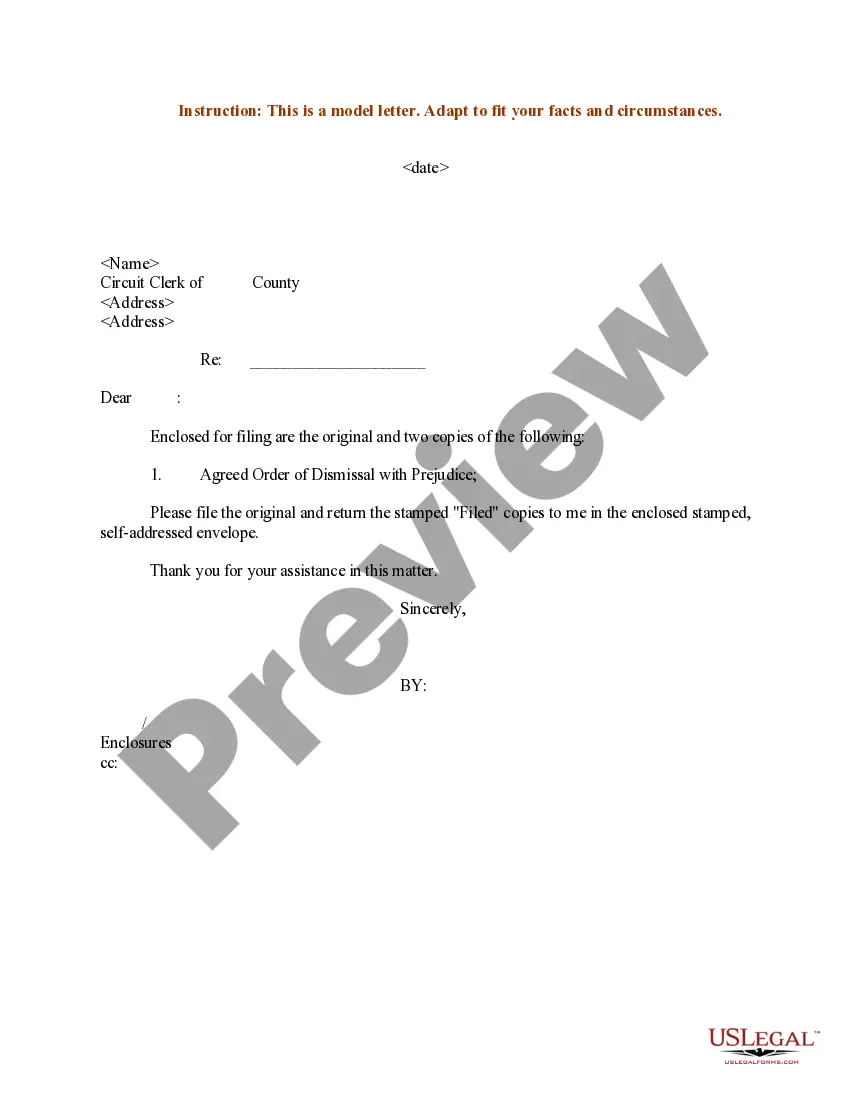
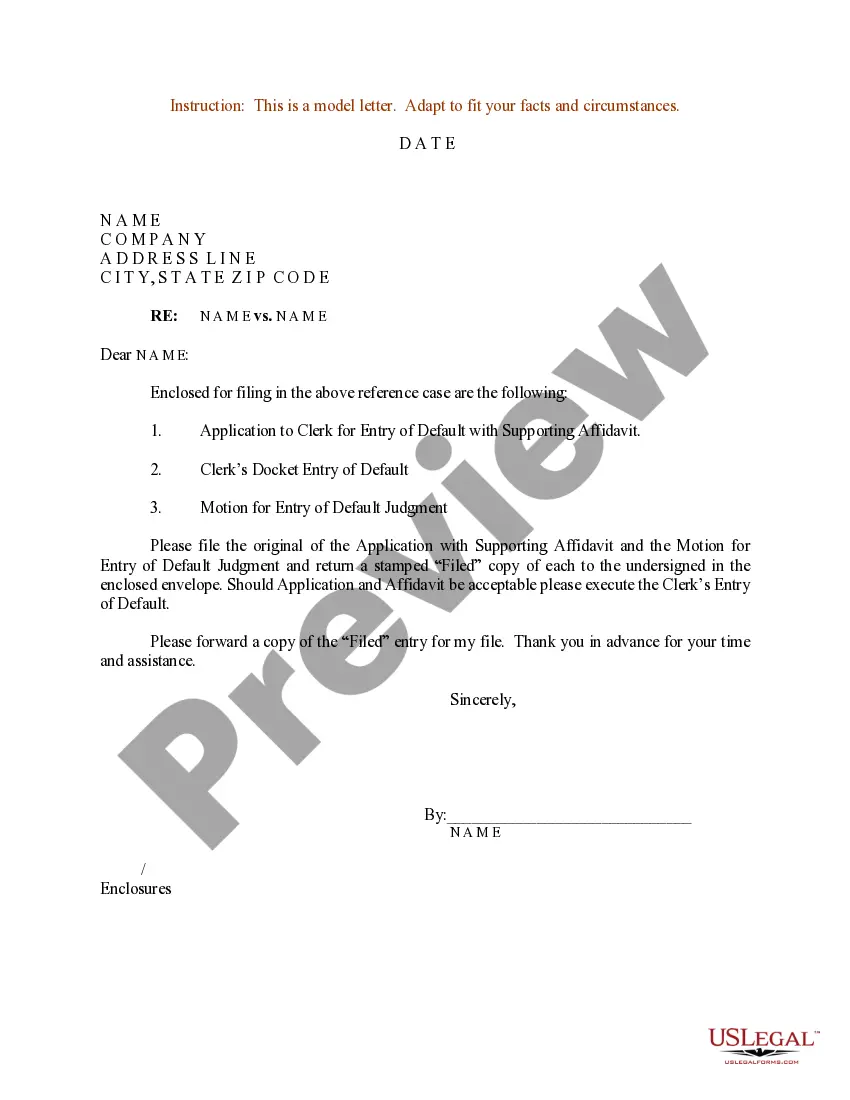
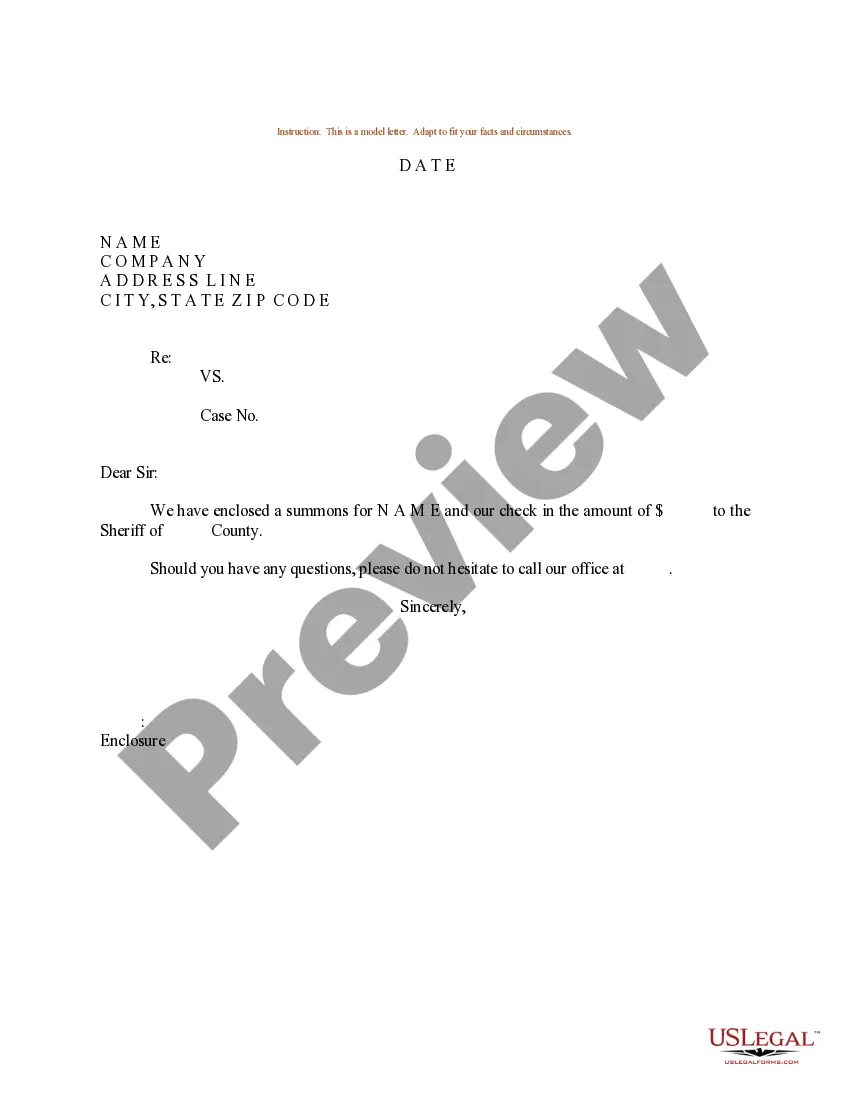
Get your form ready online
Our built-in tools help you complete, sign, share, and store your documents in one place.
Make edits, fill in missing information, and update formatting in US Legal Forms—just like you would in MS Word.
Download a copy, print it, send it by email, or mail it via USPS—whatever works best for your next step.
Sign and collect signatures with our SignNow integration. Send to multiple recipients, set reminders, and more. Go Premium to unlock E-Sign.
If this form requires notarization, complete it online through a secure video call—no need to meet a notary in person or wait for an appointment.
We protect your documents and personal data by following strict security and privacy standards.

Make edits, fill in missing information, and update formatting in US Legal Forms—just like you would in MS Word.

Download a copy, print it, send it by email, or mail it via USPS—whatever works best for your next step.

Sign and collect signatures with our SignNow integration. Send to multiple recipients, set reminders, and more. Go Premium to unlock E-Sign.

If this form requires notarization, complete it online through a secure video call—no need to meet a notary in person or wait for an appointment.

We protect your documents and personal data by following strict security and privacy standards.
Looking for another form?
Form popularity
FAQ
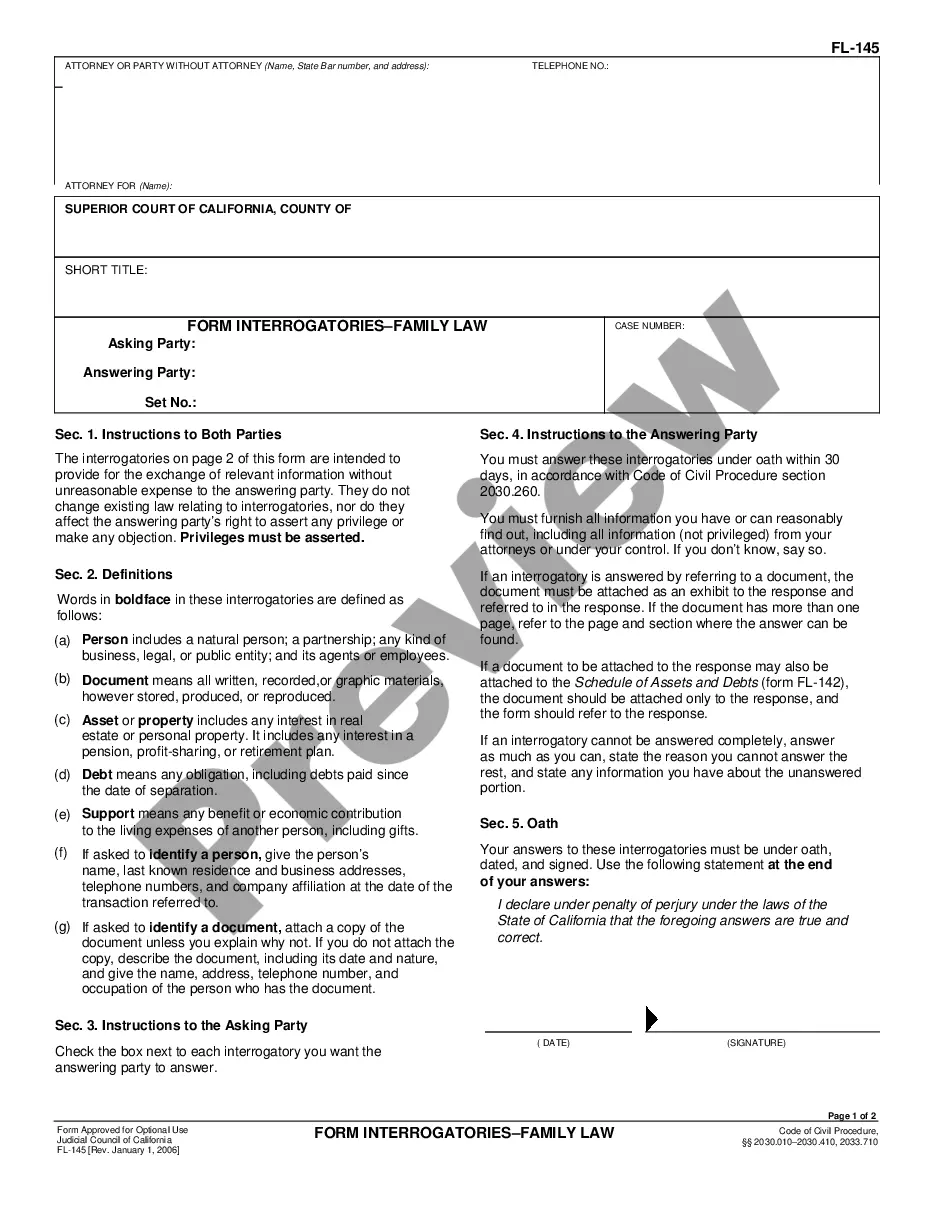
Pleadings can be categorized as complaints or answers, though both have variations. A party filing a complaint is the complaining party, while the other side is the responding party. Pleadings set forth parties' positions in the action, such as allegations, claims, defenses and denials.
Code pleading is a way of writing down what you want to say in a court case. Instead of saying what you think the law is, you just write down the facts of what happened. This is different from other ways of pleading, where you have to say what you think the law is.
Notice pleading is the dominant form of pleading used in the United States today. In 1938, the Federal Rules of Civil Procedure were adopted. One goal of these rules was to relax the strict rules of code pleading. The focus of the cause of action was shifted to discovery (another goal of the FRCP).
It is different from issue pleading, which is the common-law method of pleading that aims to frame an issue. Examples: A plaintiff filing a lawsuit under code pleading would only state the facts of the case, such as "On June 1st, the defendant rear-ended my car while I was stopped at a red light."
There are several different types of pleadings in civil procedures, but all of them include the basic demand and response structure: Complaints. Answers to a complaint. Counterclaims. Answers to a counterclaim. Crossclaims. Answers to a crossclaim. Third-party complaints. Third-party complaint answers.
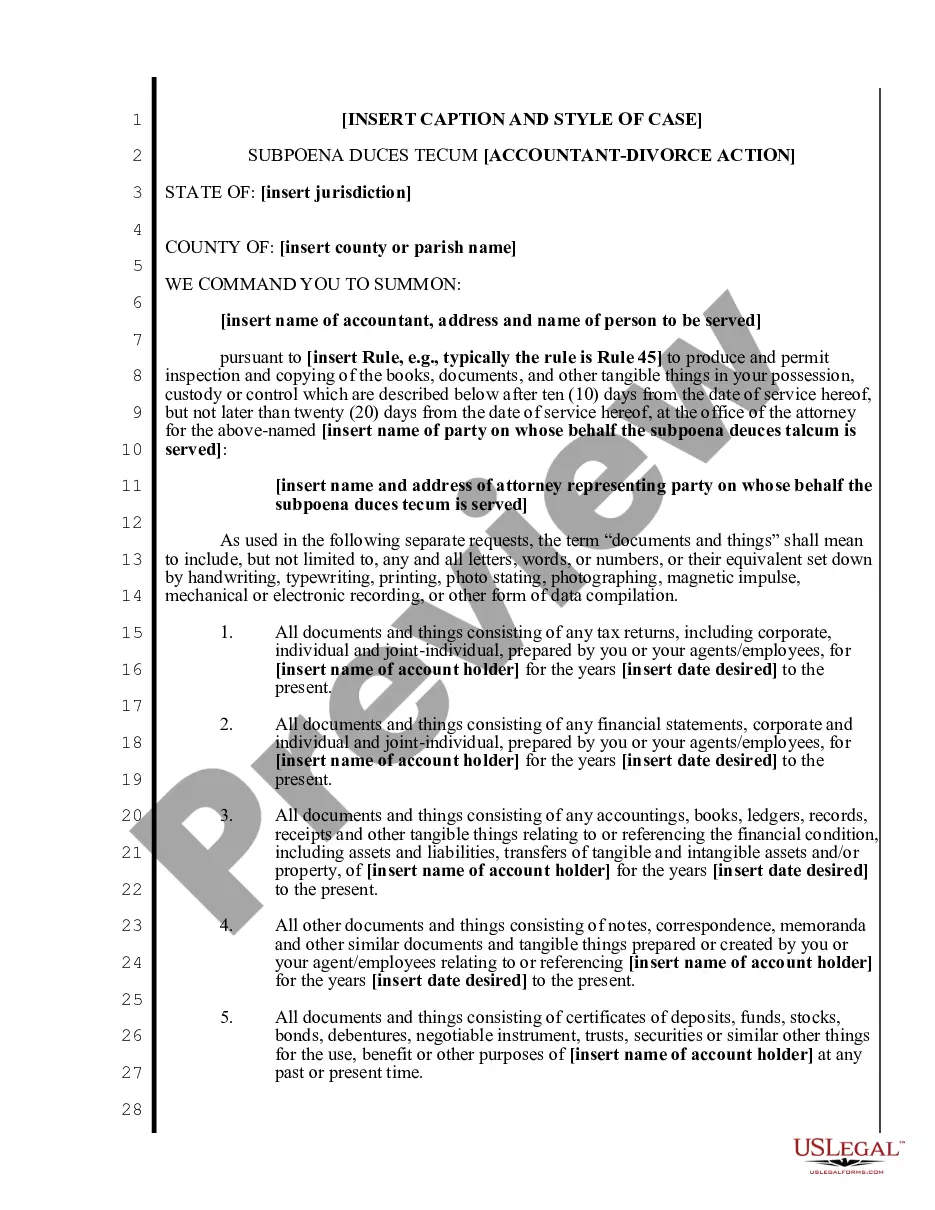
Pleading Paper Your name must start on line 1. The Court name and location must start on line 8. The caption of the case must start on line 11. You must have a footer with the title of the document. After the caption (the box with the name of the Plaintiff/Respondent) you can use the space as needed, using double spacing.
The key to drafting a successful pleading is to make sure that you have a clear idea of what the claims are that your client is making and relevant proof for each of those claims. Then you should state the events in a chronological and logical order.
For example, a legal pleading might involve a complaint from a homeowner that a roofer did not adequately perform a repair, resulting in a leak in the roof and damage to the home. The roofer could then file an answer to the claim, denying culpability.