Advertising On Site In Georgia
Description
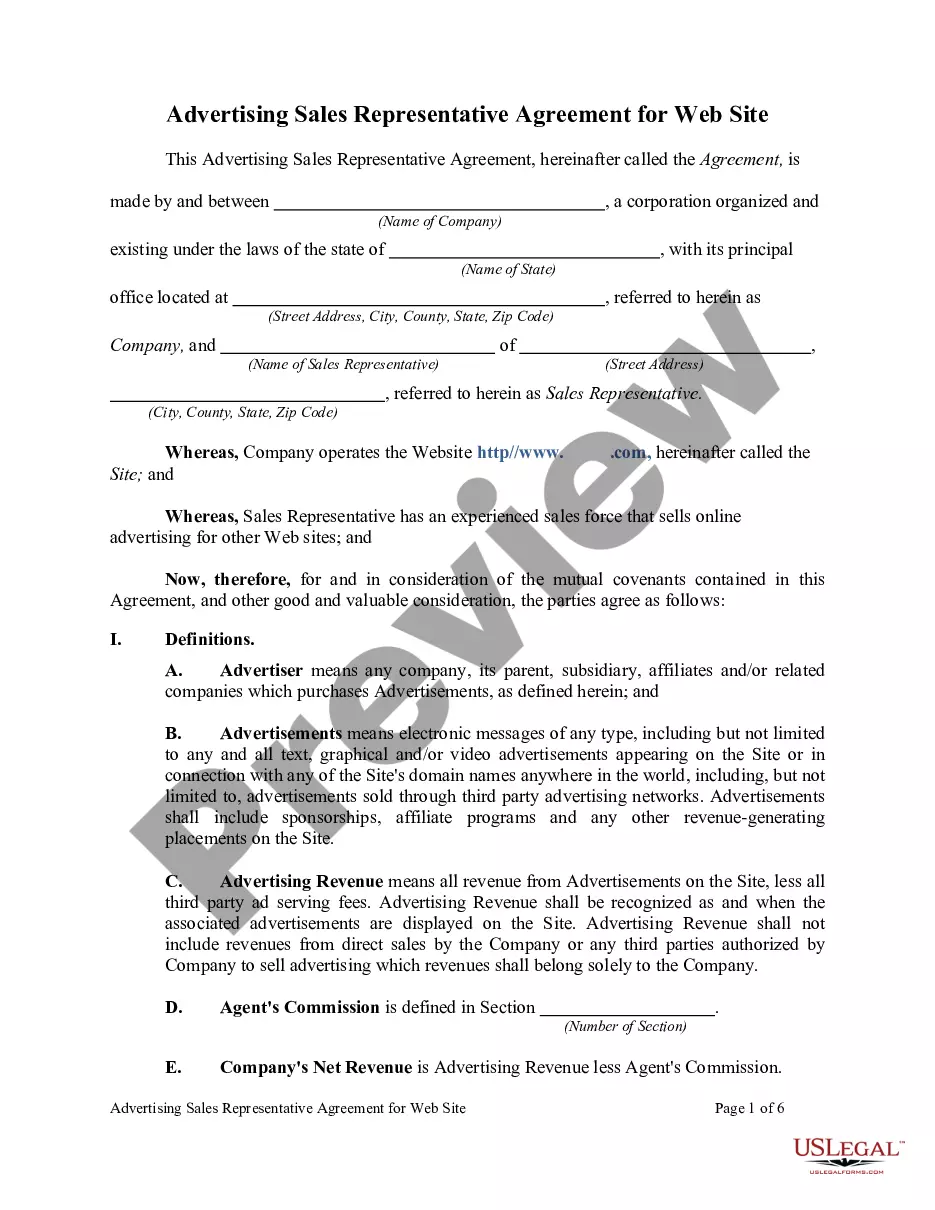
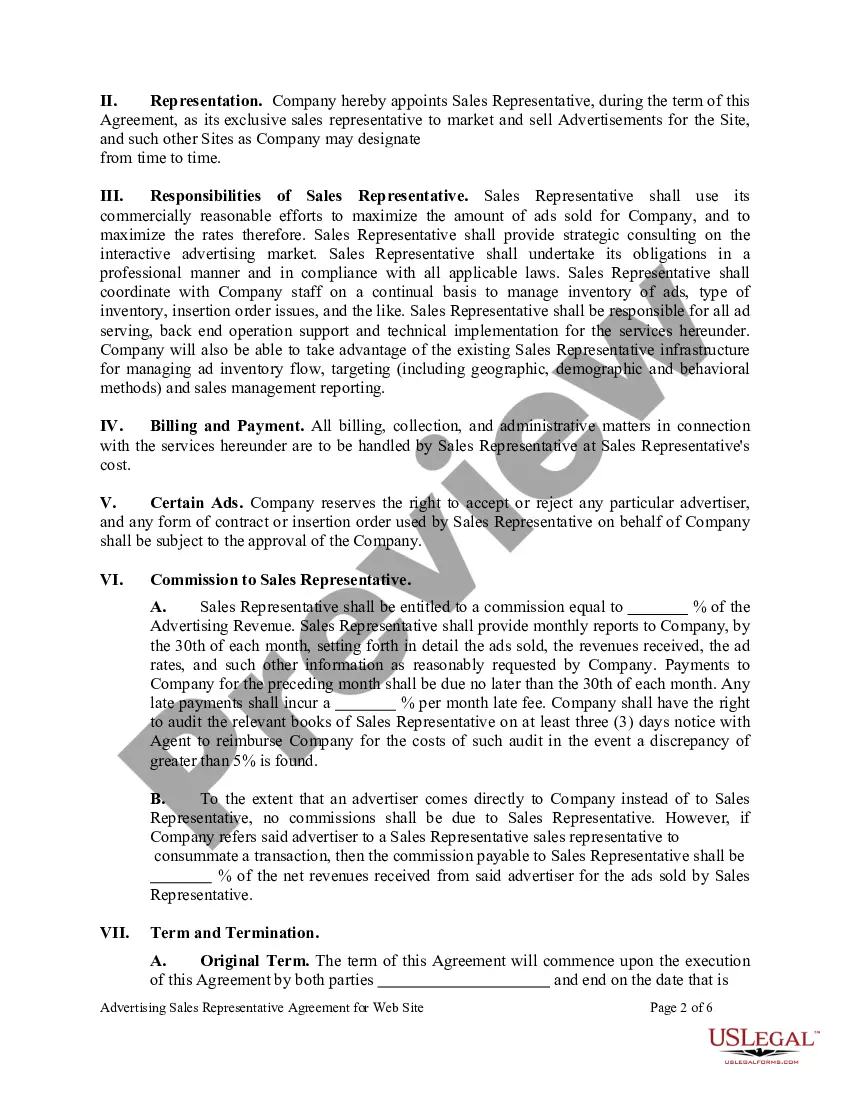
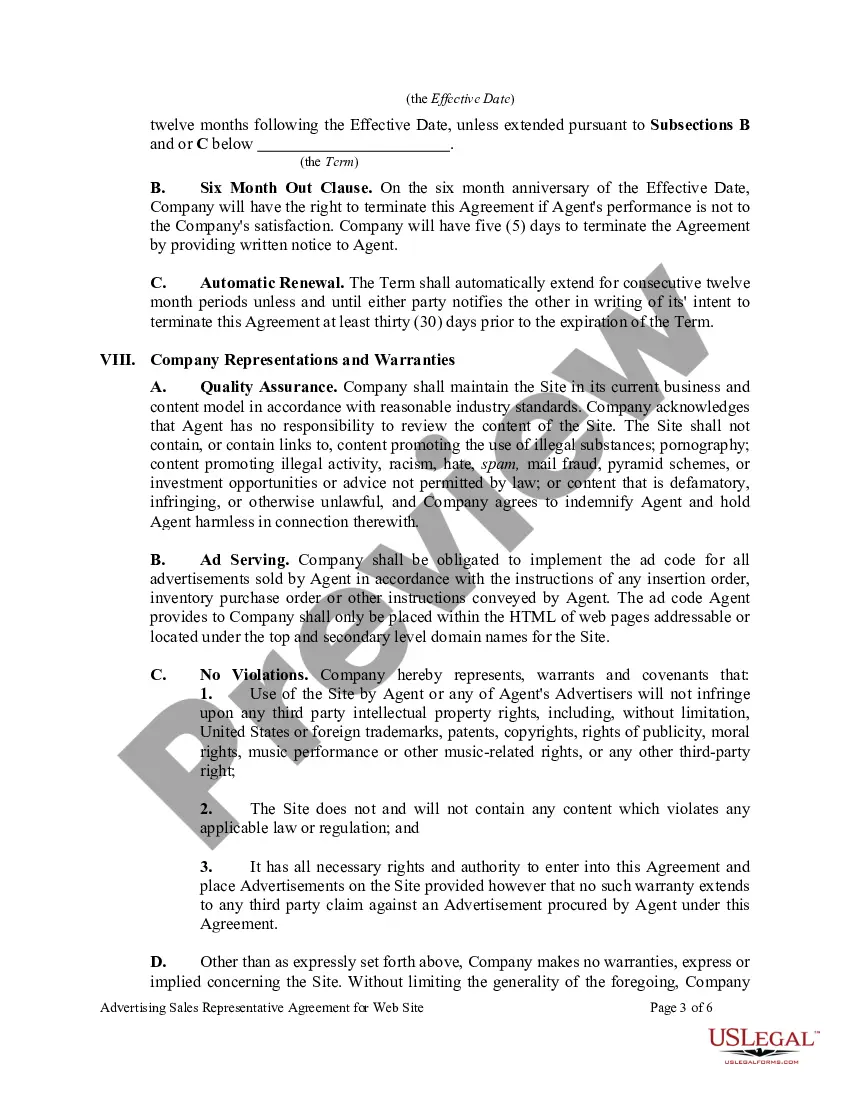
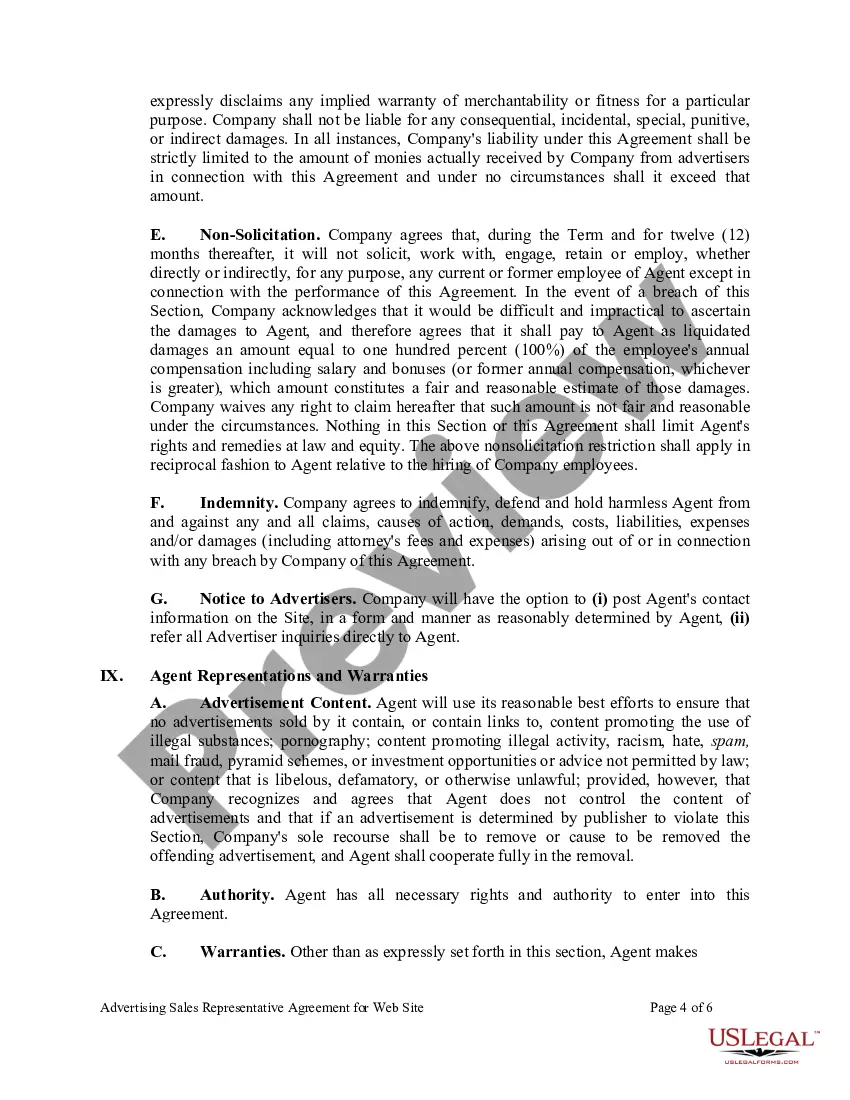
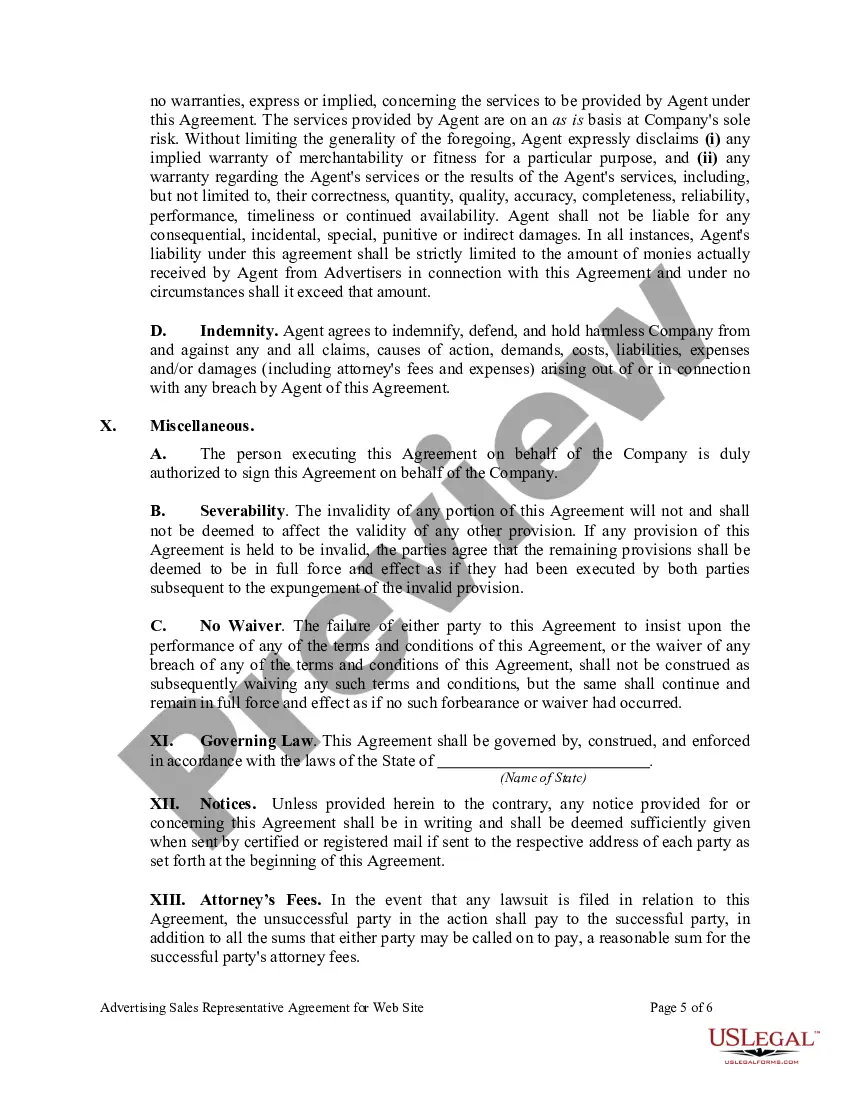
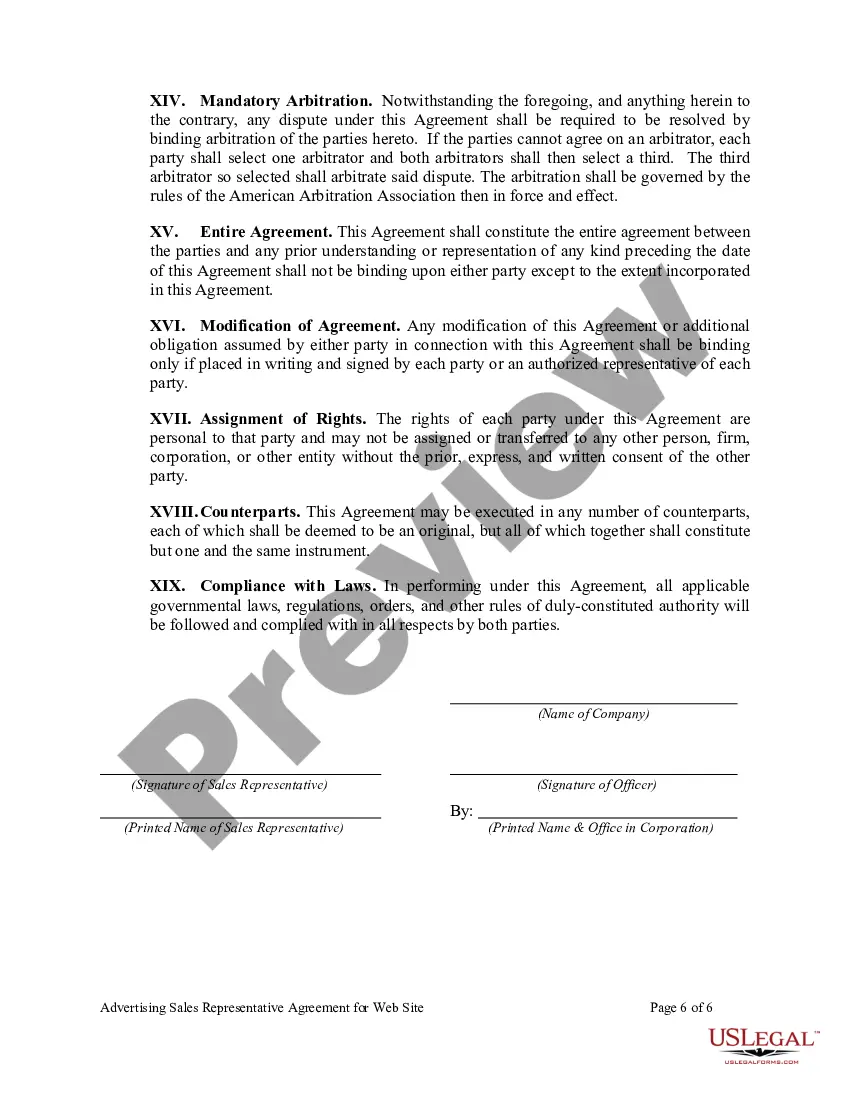
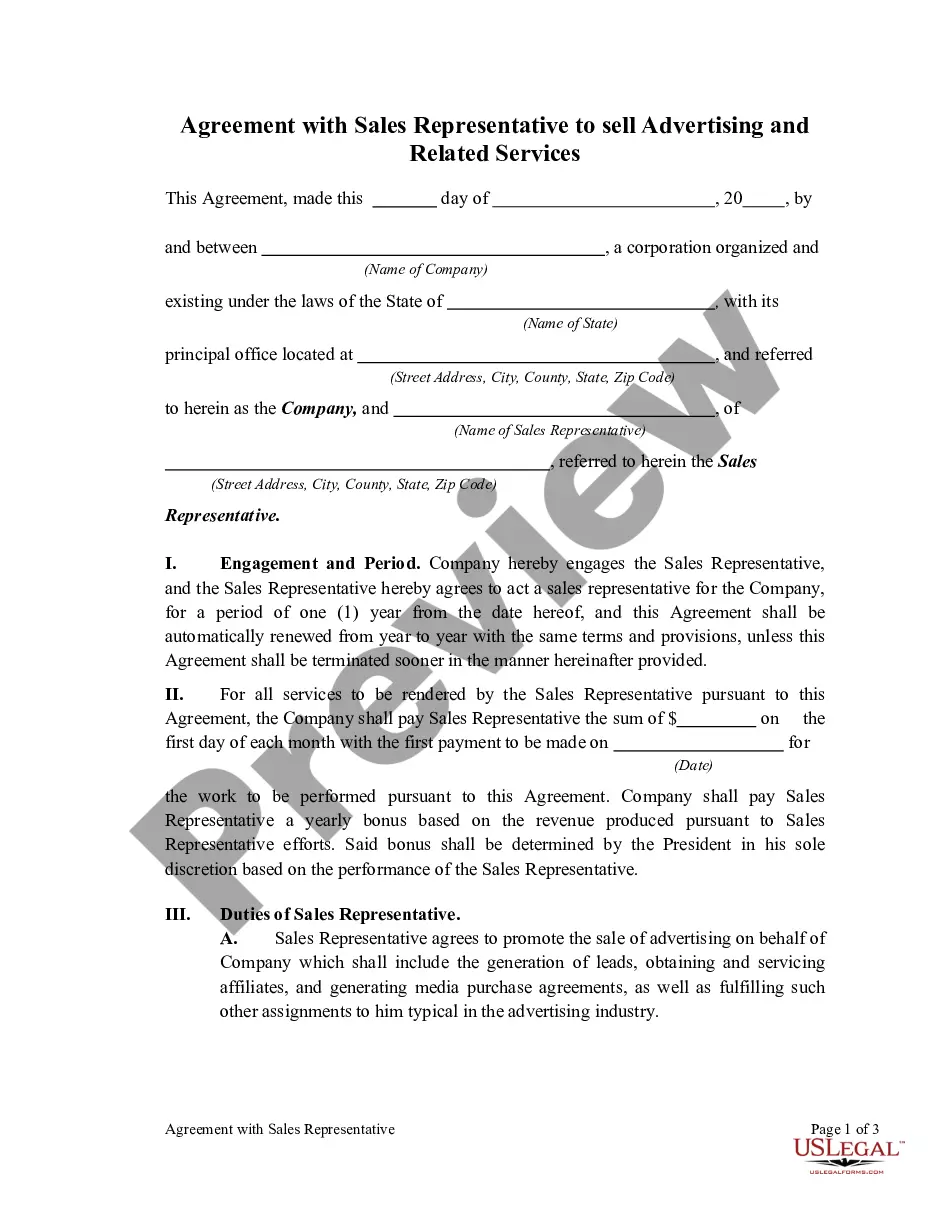
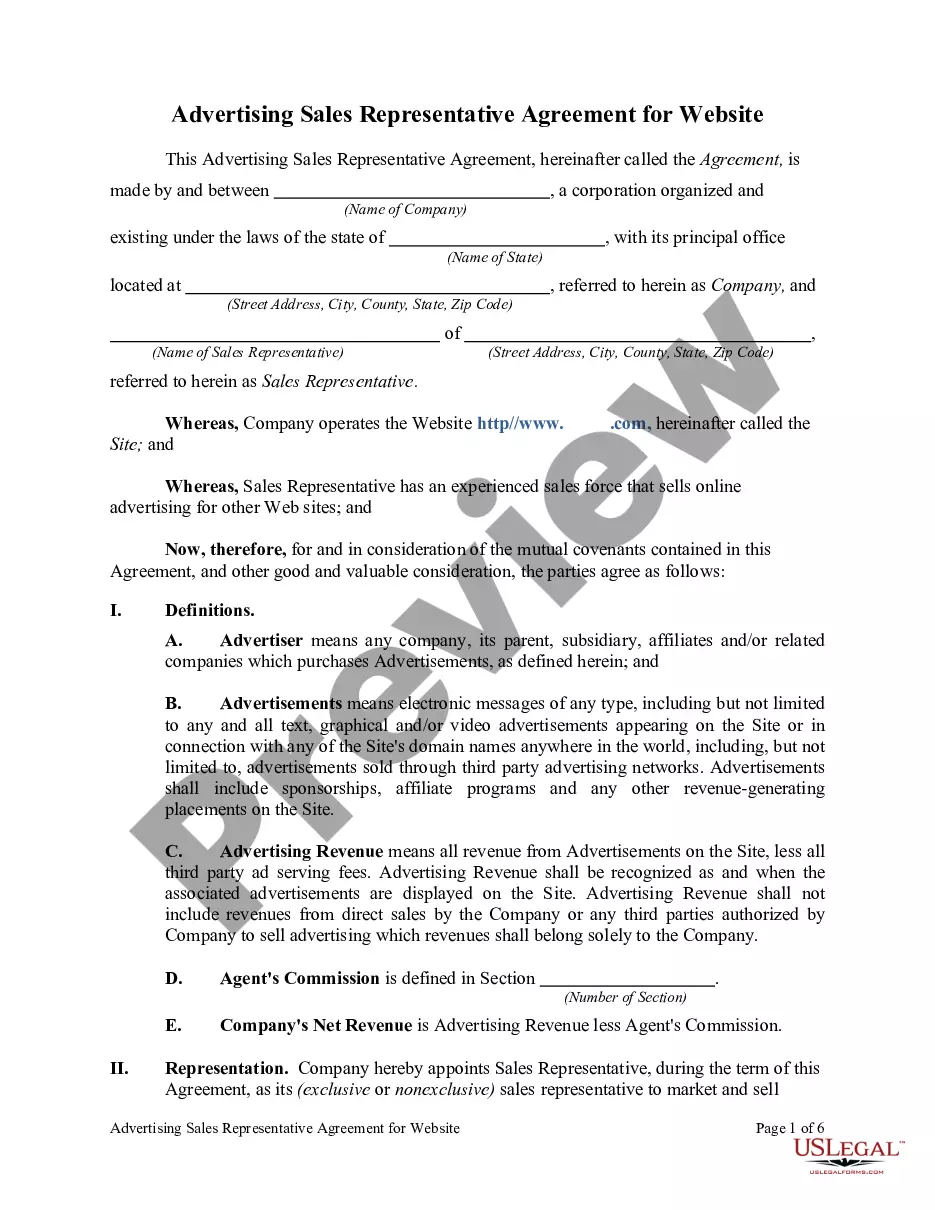
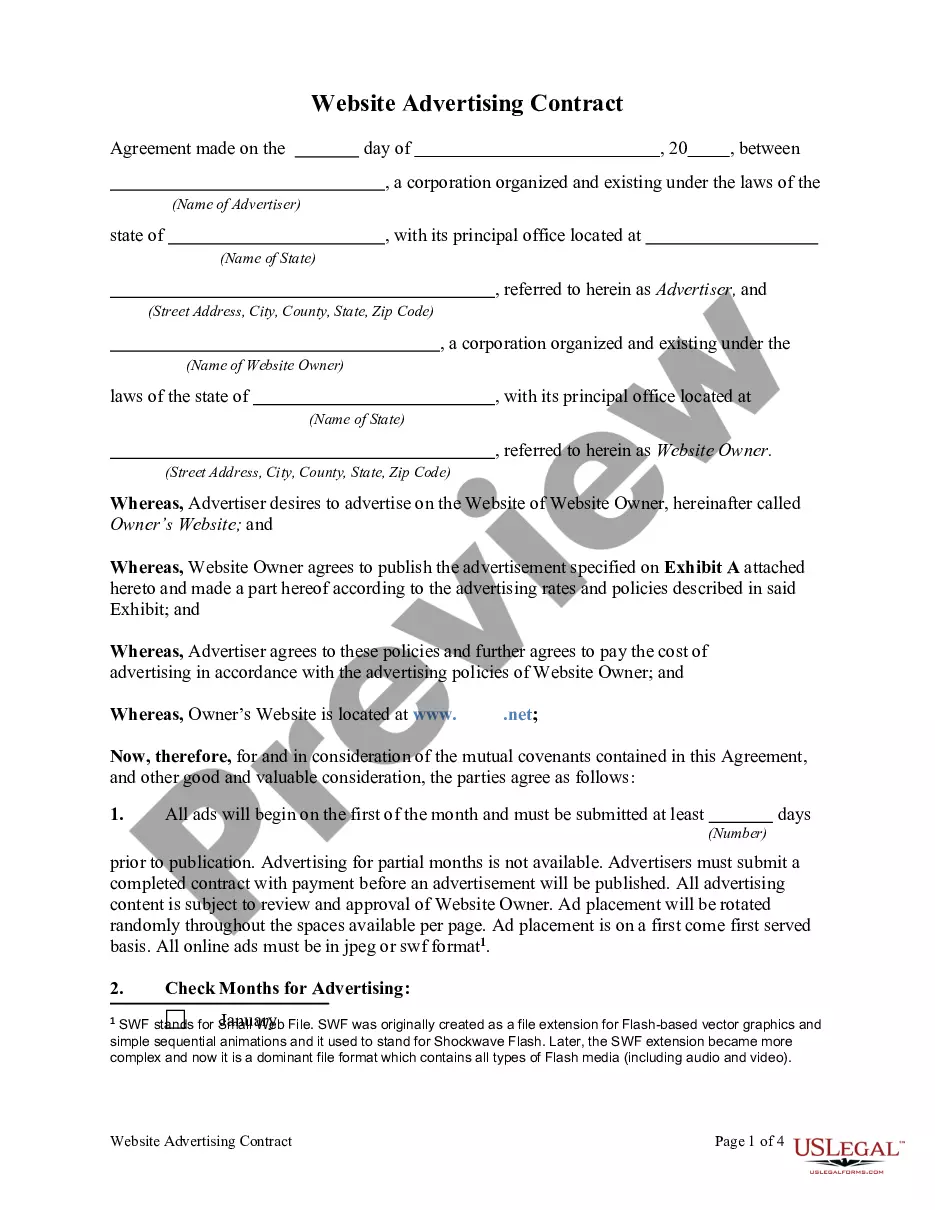
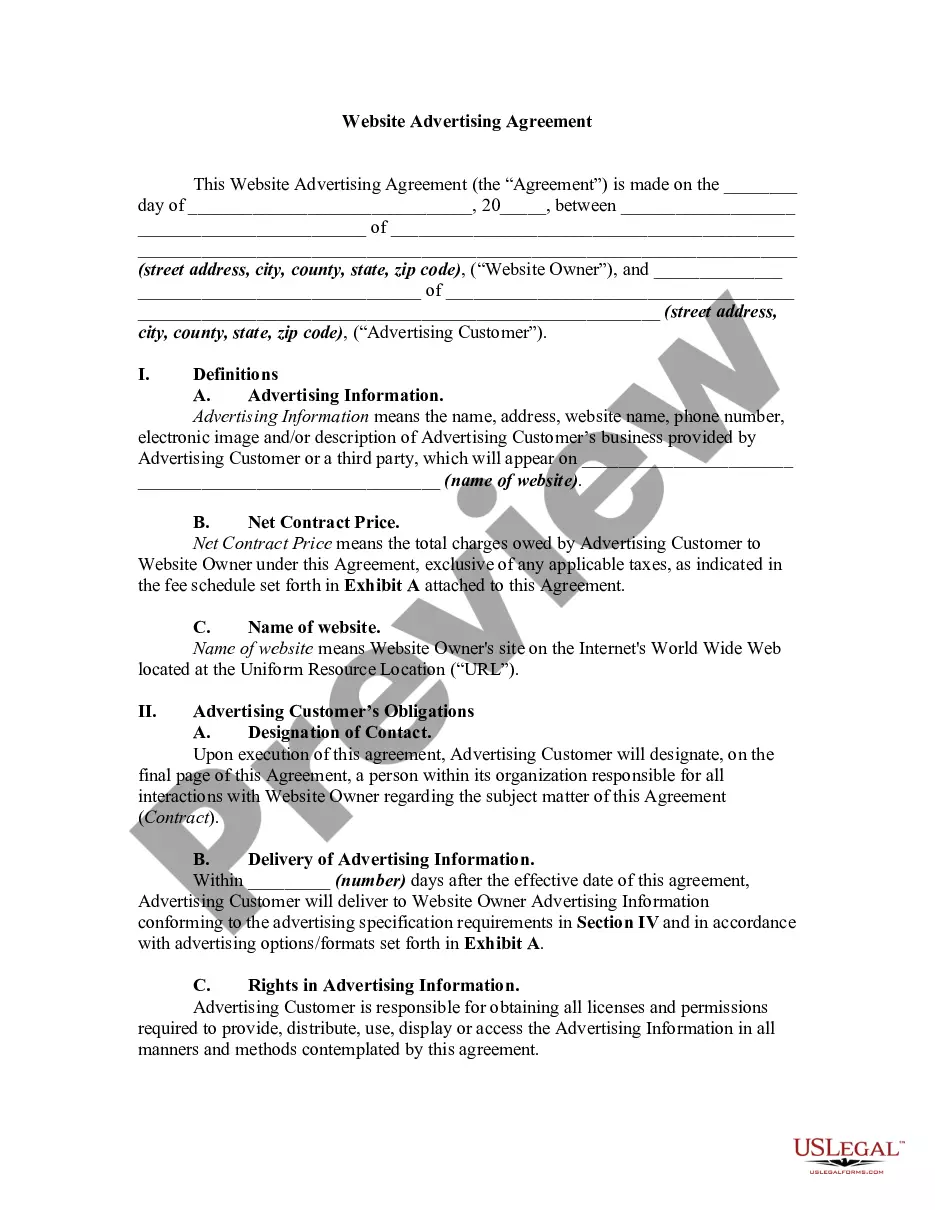
Get your form ready online
Our built-in tools help you complete, sign, share, and store your documents in one place.
Make edits, fill in missing information, and update formatting in US Legal Forms—just like you would in MS Word.
Download a copy, print it, send it by email, or mail it via USPS—whatever works best for your next step.
Sign and collect signatures with our SignNow integration. Send to multiple recipients, set reminders, and more. Go Premium to unlock E-Sign.
If this form requires notarization, complete it online through a secure video call—no need to meet a notary in person or wait for an appointment.
We protect your documents and personal data by following strict security and privacy standards.

Make edits, fill in missing information, and update formatting in US Legal Forms—just like you would in MS Word.

Download a copy, print it, send it by email, or mail it via USPS—whatever works best for your next step.

Sign and collect signatures with our SignNow integration. Send to multiple recipients, set reminders, and more. Go Premium to unlock E-Sign.

If this form requires notarization, complete it online through a secure video call—no need to meet a notary in person or wait for an appointment.

We protect your documents and personal data by following strict security and privacy standards.
Looking for another form?








Form popularity
FAQ
Legal ads must not contain statements that are fraudulent, deceptive, untrue or misleading.
Under the law, claims in advertisements must be truthful, cannot be deceptive or unfair, and must be evidence-based. For some specialized products or services, additional rules may apply.
Every item of advertising or solicitation shall conform with the following standards: (1) The form and content of any advertisement or solicitation shall be accurate and shall be sufficiently complete and clear to avoid deception or the capacity or tendency to mislead or deceive.
Federal Laws and Regulations Under the Federal Trade Commission Act: advertising must be truthful and non-deceptive; advertiser's must have evidence to back up their claims; and. advertisements cannot be unfair.
Commercial Advertising. The tax applies to all sales at retail of tangible personal property commonly known as commercial advertising, including but not limited to catalogs, calendars, handbills, novelties, etc.
Georgia Code Title 10, Chapter 1, Article 15 is commonly known as the Georgia Fair Business Practices Act (“FBPA”) and it is a state law that prohibits businesses from using unfair or deceptive practices during consumer transactions.
