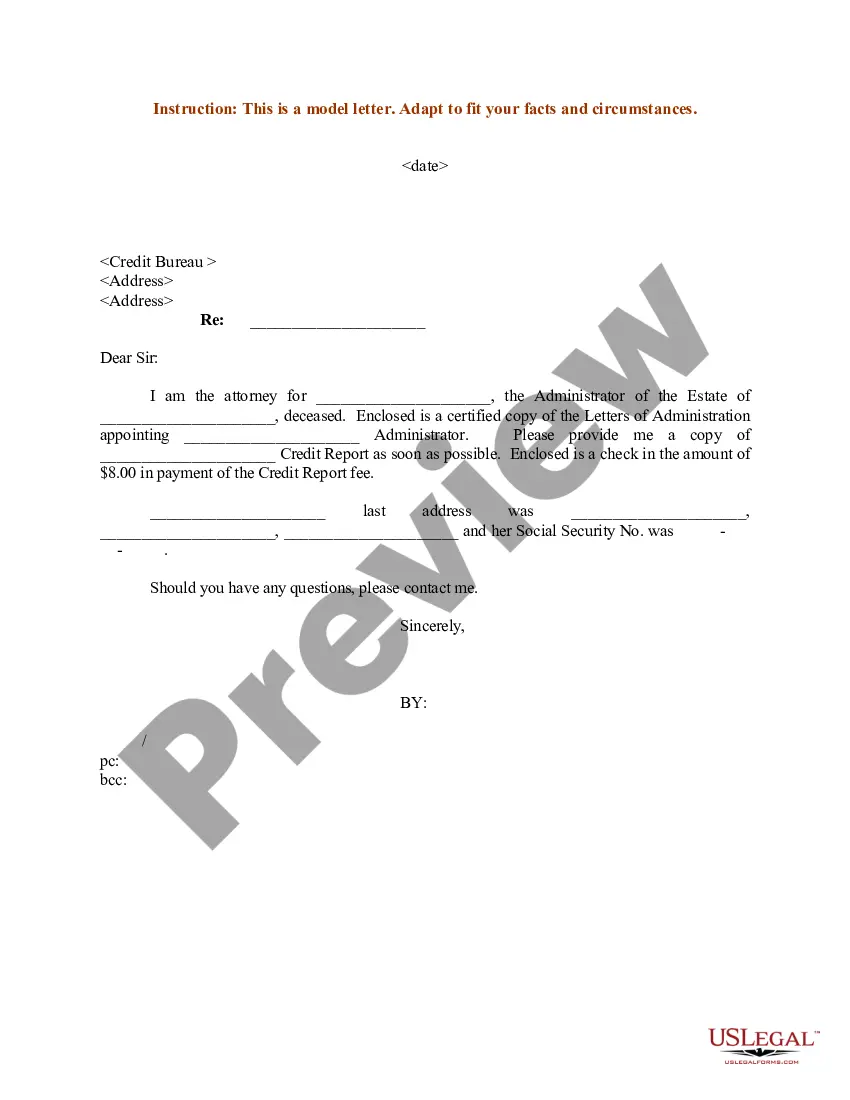
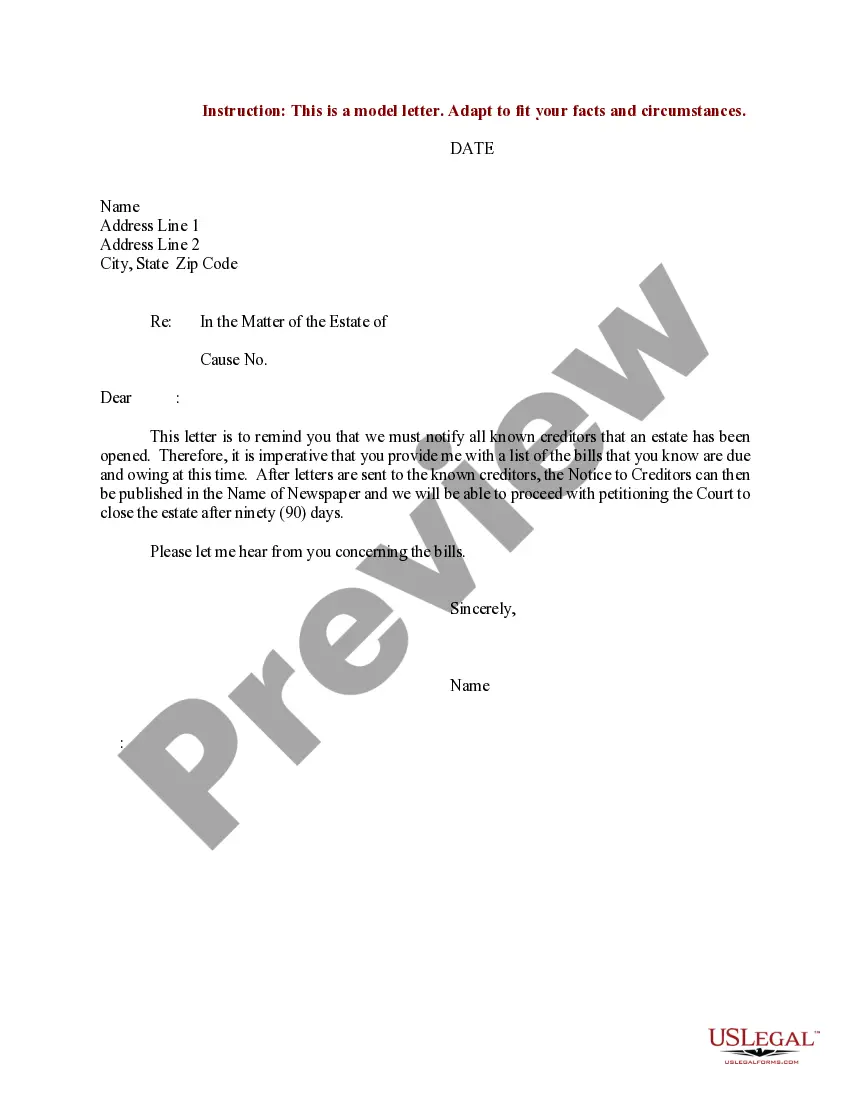
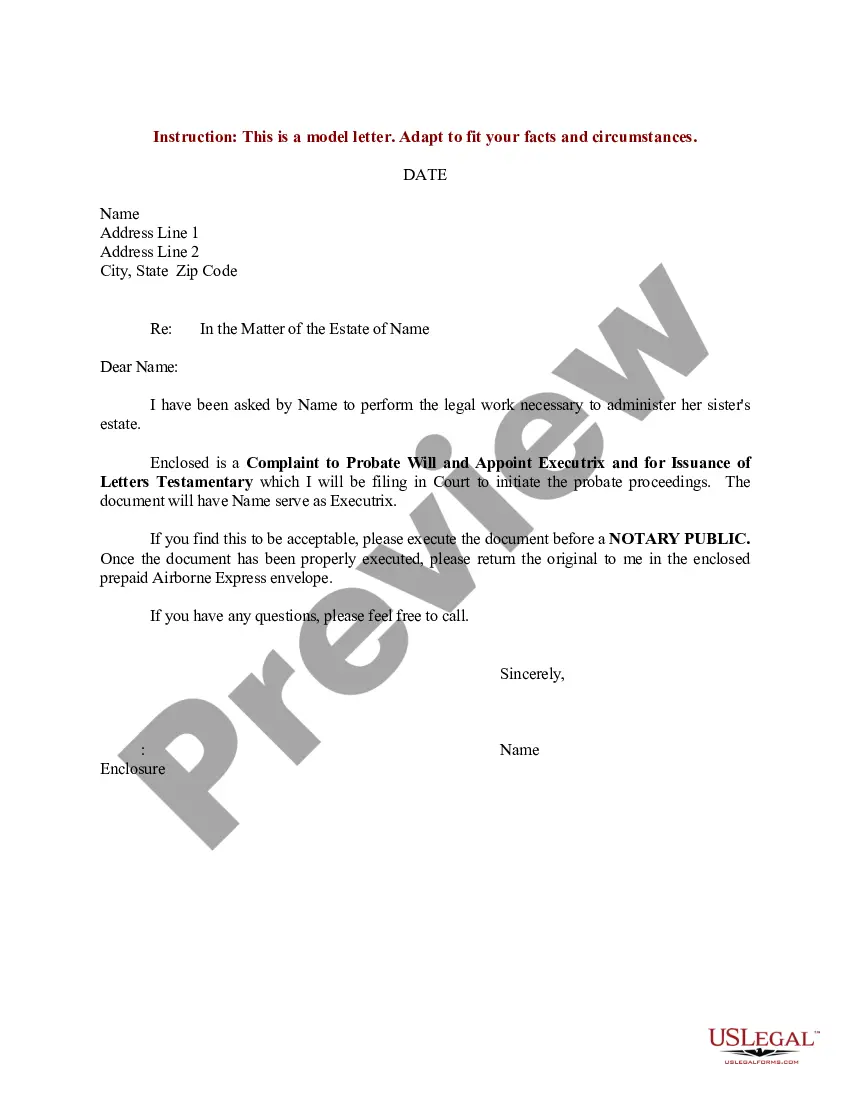
Credit Letter Example For Employees In Suffolk
Description

Get your form ready online
Our built-in tools help you complete, sign, share, and store your documents in one place.
Make edits, fill in missing information, and update formatting in US Legal Forms—just like you would in MS Word.
Download a copy, print it, send it by email, or mail it via USPS—whatever works best for your next step.
Sign and collect signatures with our SignNow integration. Send to multiple recipients, set reminders, and more. Go Premium to unlock E-Sign.
If this form requires notarization, complete it online through a secure video call—no need to meet a notary in person or wait for an appointment.
We protect your documents and personal data by following strict security and privacy standards.

Make edits, fill in missing information, and update formatting in US Legal Forms—just like you would in MS Word.

Download a copy, print it, send it by email, or mail it via USPS—whatever works best for your next step.

Sign and collect signatures with our SignNow integration. Send to multiple recipients, set reminders, and more. Go Premium to unlock E-Sign.

If this form requires notarization, complete it online through a secure video call—no need to meet a notary in person or wait for an appointment.

We protect your documents and personal data by following strict security and privacy standards.
Looking for another form?










Form popularity
FAQ
(1) Except as herein otherwise provided, every permanent appointment from an open competitive list and every original permanent appointment to the noncompetitive, exempt or labor class shall be subject to a probationary term of not less than 26 nor more than 52 weeks.
A probationary period, or introductory period, lasts an average of three months for most businesses. They can, however, last anywhere from one month to six months, depending on your company's needs and the specific role.
The probationary period for competitive employees is 26 weeks, except for some traineeships, where it runs the length of the training period. The probationary period for labor and non-competitive positions in the county is usually for a period of one year.
The rule of three states that an appointing authority may choose to appoint any one of the three highest-scoring candidates who are willing to accept the appointment. To fully understand the "rule of three", it is necessary to understand Zone Scoring.

