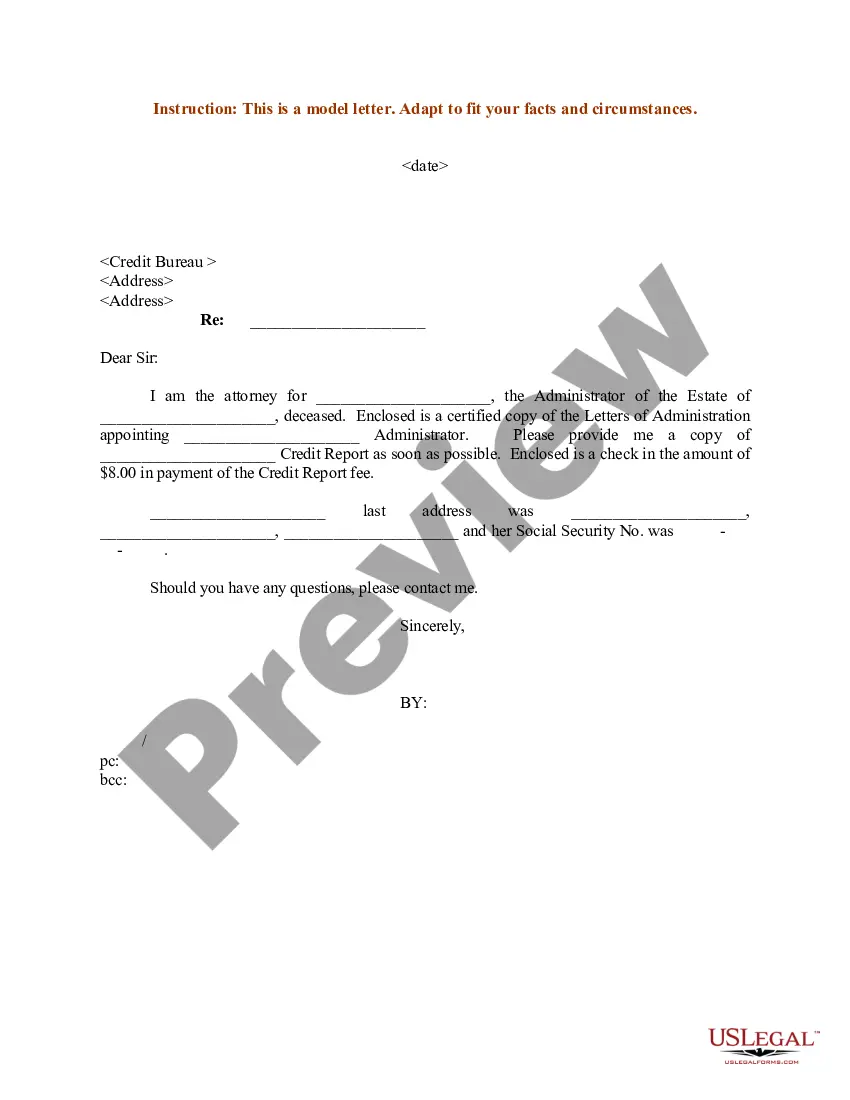
Credit Letter Example Without Notice Period In Nevada
Description

Get your form ready online
Our built-in tools help you complete, sign, share, and store your documents in one place.
Make edits, fill in missing information, and update formatting in US Legal Forms—just like you would in MS Word.
Download a copy, print it, send it by email, or mail it via USPS—whatever works best for your next step.
Sign and collect signatures with our SignNow integration. Send to multiple recipients, set reminders, and more. Go Premium to unlock E-Sign.
If this form requires notarization, complete it online through a secure video call—no need to meet a notary in person or wait for an appointment.
We protect your documents and personal data by following strict security and privacy standards.

Make edits, fill in missing information, and update formatting in US Legal Forms—just like you would in MS Word.

Download a copy, print it, send it by email, or mail it via USPS—whatever works best for your next step.

Sign and collect signatures with our SignNow integration. Send to multiple recipients, set reminders, and more. Go Premium to unlock E-Sign.

If this form requires notarization, complete it online through a secure video call—no need to meet a notary in person or wait for an appointment.

We protect your documents and personal data by following strict security and privacy standards.
Looking for another form?







Form popularity
FAQ
The FDCPA prohibits debt collectors from making false statements about the character, amount, or legal status of your debt. What if the debt collector never sent me written notice of the debt? You can still assert your dispute and verification rights. The 30 day time limit will not apply.
Yes. It is rather common for collection agencies to report a debtor to credit bureaus without notifying the debtor. When a debt becomes overdue, the creditor has several options. One of those options is to simply sell the account to a collections agency.
If a bill that's reported to debt collection never came to you first, you can file a dispute with the credit bureaus. In your dispute letter, say that you were never notified of the debt.
Yes. It is rather common for collection agencies to report a debtor to credit bureaus without notifying the debtor. When a debt becomes overdue, the creditor has several options. One of those options is to simply sell the account to a collections agency.
Yes, your debt can be sent to collections without notice.
Generally, creditors do not have to notify a debtor before turning over a delinquent account for collections. Many people mistakenly believe that a creditor is required to notify them before their account is sent to collections.

