Credit Letter Example For Students In King
Description


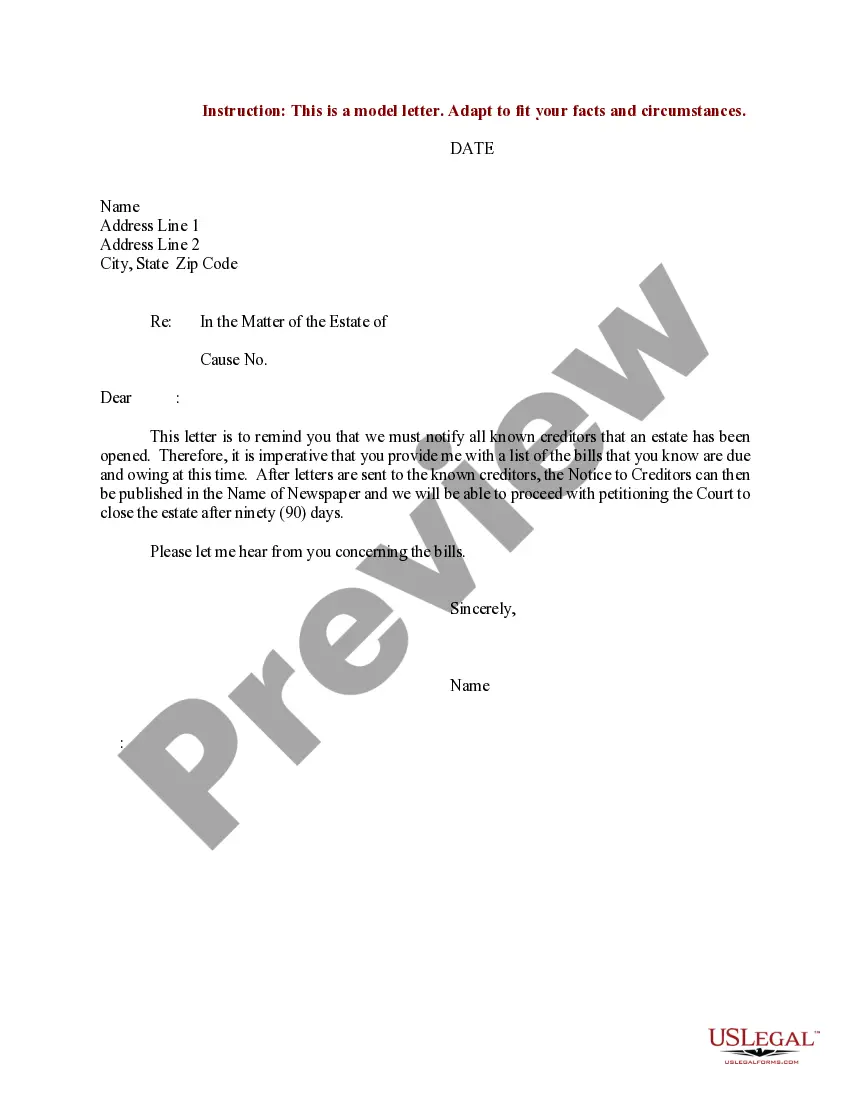
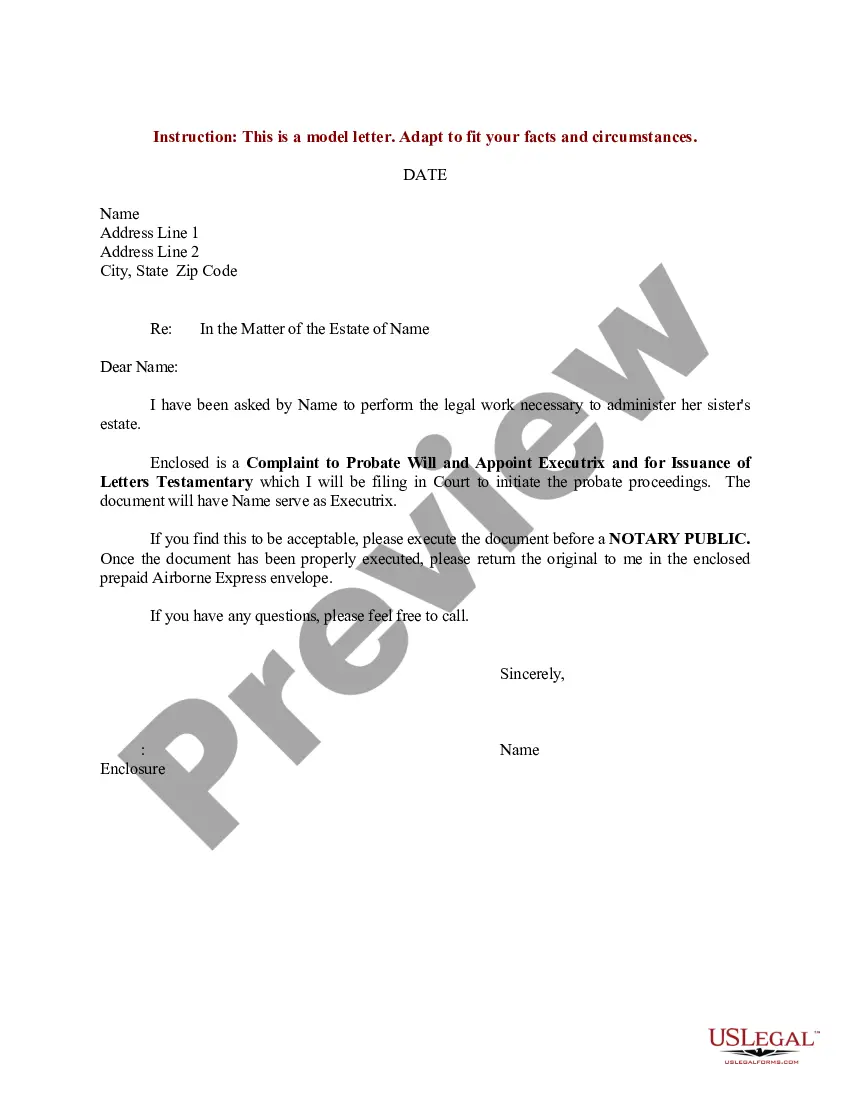
Get your form ready online
Our built-in tools help you complete, sign, share, and store your documents in one place.
Make edits, fill in missing information, and update formatting in US Legal Forms—just like you would in MS Word.
Download a copy, print it, send it by email, or mail it via USPS—whatever works best for your next step.
Sign and collect signatures with our SignNow integration. Send to multiple recipients, set reminders, and more. Go Premium to unlock E-Sign.
If this form requires notarization, complete it online through a secure video call—no need to meet a notary in person or wait for an appointment.
We protect your documents and personal data by following strict security and privacy standards.

Make edits, fill in missing information, and update formatting in US Legal Forms—just like you would in MS Word.

Download a copy, print it, send it by email, or mail it via USPS—whatever works best for your next step.

Sign and collect signatures with our SignNow integration. Send to multiple recipients, set reminders, and more. Go Premium to unlock E-Sign.

If this form requires notarization, complete it online through a secure video call—no need to meet a notary in person or wait for an appointment.

We protect your documents and personal data by following strict security and privacy standards.
Looking for another form?

Form popularity
FAQ
What to Include in a 609 Dispute Letter Personal information. Ensure you provide clear and accurate personal details to identify yourself. Credit bureau details. Date. Subject line. Introduction. List of disputed items. Supporting documentation. Request for action.
In Writing For those who do wish to write directly to the royal family member, the letter should begin 'Sir'. It ends with 'I have the honour to remain, Sir, Your Royal Highness's most humble and obedient servant' and then your name. Within the body of the letter, do not use 'you' (singular) or 'your' (singular).
The letter should begin 'Sir', 'Madam' or 'May it please Your Majesty'. The first line of the letter itself should begin with the phrase 'With my humble duty'; the main content of the letter then follows. It should end 'I have the honour to remain, Sir/Madam, Your Majesty's most humble and obedient servant'.
For those who do wish to write directly to The King, the letter should begin 'Sir' or 'May it please Your Majesty'. It ends with 'I have the honour to remain, Sir, Your Majesty's most humble and obedient subject' and then your name.
On presentation to The King or Queen, the correct formal address is 'Your Majesty' and subsequently 'Sir' or 'Ma'am,' pronounced with a short 'a,' as in 'jam'.
Unless you are personally known to the Sovereign, any letter to The King or Queen should be addressed to 'The Private Secretary to His Majesty The King'. There is no need to address the private secretary by name, but if there is subsequent correspondence this should be addressed to the actual writer of the reply.
