Credit Letter Example With Attachment In Dallas
Description


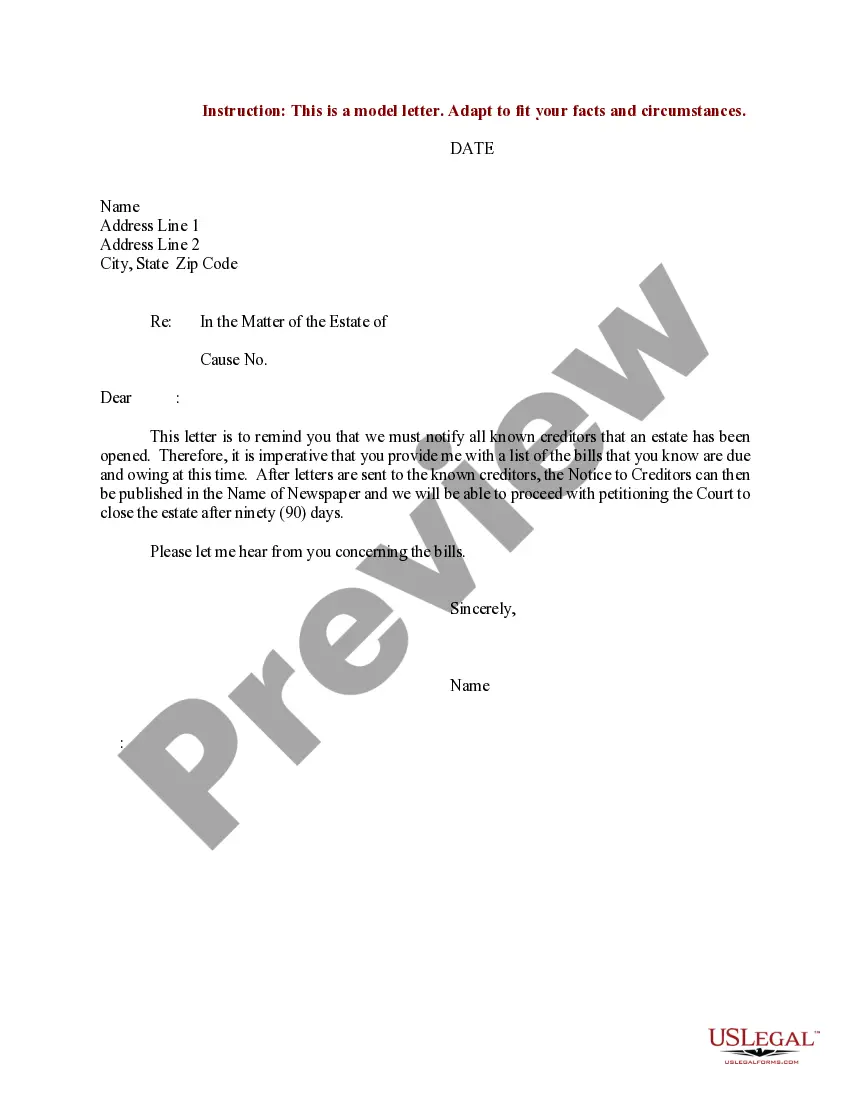
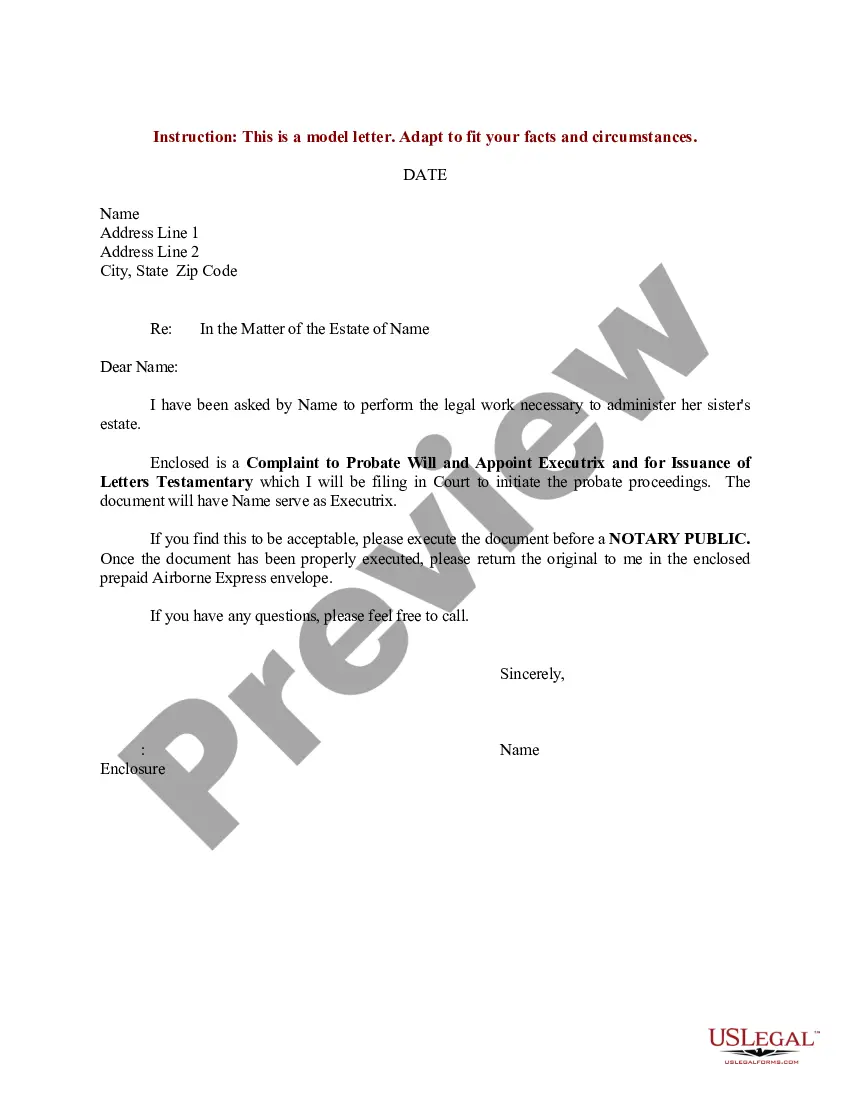
Get your form ready online
Our built-in tools help you complete, sign, share, and store your documents in one place.
Make edits, fill in missing information, and update formatting in US Legal Forms—just like you would in MS Word.
Download a copy, print it, send it by email, or mail it via USPS—whatever works best for your next step.
Sign and collect signatures with our SignNow integration. Send to multiple recipients, set reminders, and more. Go Premium to unlock E-Sign.
If this form requires notarization, complete it online through a secure video call—no need to meet a notary in person or wait for an appointment.
We protect your documents and personal data by following strict security and privacy standards.

Make edits, fill in missing information, and update formatting in US Legal Forms—just like you would in MS Word.

Download a copy, print it, send it by email, or mail it via USPS—whatever works best for your next step.

Sign and collect signatures with our SignNow integration. Send to multiple recipients, set reminders, and more. Go Premium to unlock E-Sign.

If this form requires notarization, complete it online through a secure video call—no need to meet a notary in person or wait for an appointment.

We protect your documents and personal data by following strict security and privacy standards.
Looking for another form?







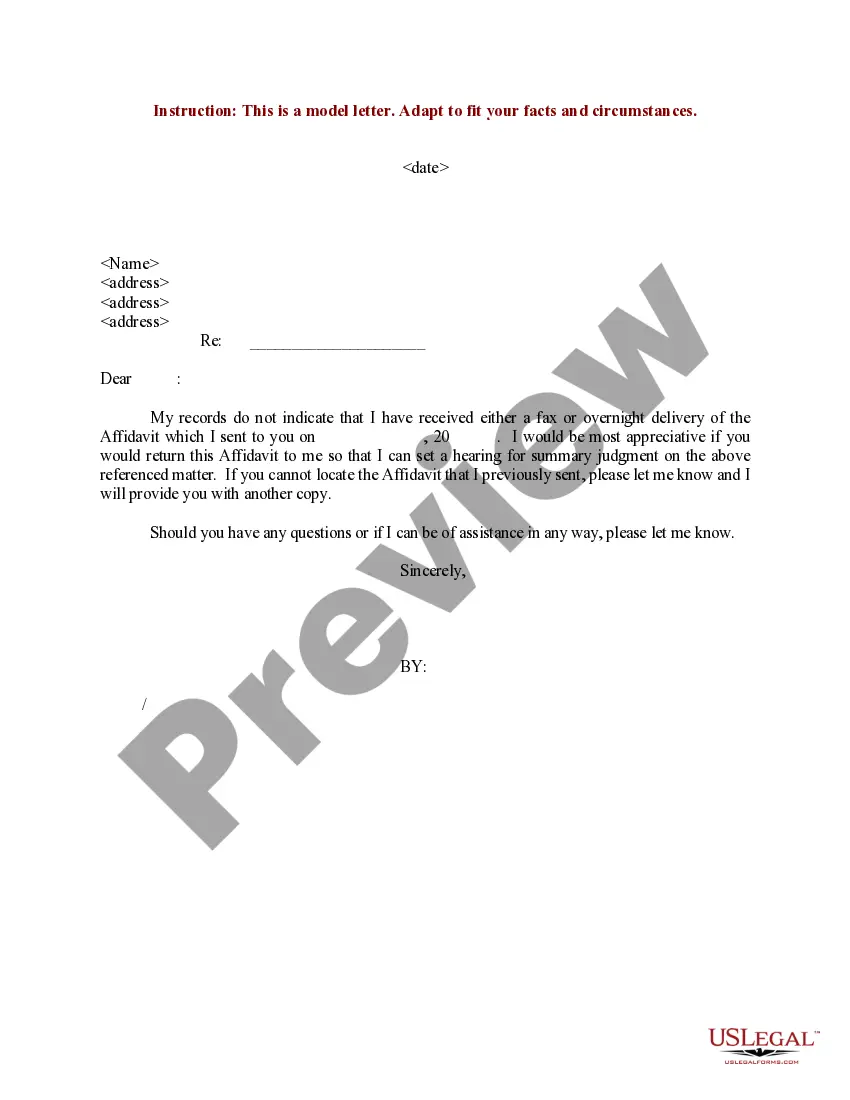
Form popularity
FAQ
Under your name and title, type “Enclosure:” or “Attachment:” to indicate that you've included additional documents. On the next line, provide a brief description of the contents. In a typical letter with an attachment, you might state “Curriculum Vitae,” for example.
Tips for writing a letter of explanation Provide all details the best you can, including correct dates and dollar amounts. Explain how and when all situations were resolved. If they are not resolved, explain that as well. Detail why problems won't happen again.
When writing your letter, you should indicate any attachments or enclosures. You can do this by placing the word “Attachment” or “Enclosure” at the end of your letter, followed by a colon and the name of the document. If you have multiple documents, use the plural form.
I would like to apply for the position of Industrial Trainee at your company. provide reasons why the company should accept your application provide the duration of attachment I enclose my resume for your consideration. Thank You.
Write a letter to the prospective landlord - outline what you love about the unit, why you are moving, the care that you will take in looking after the property, your job and income. Basically overcome the objections and highlight why you are still a good option for a tenant regardless of your credit history.
The Letter of Credit (LC) process starts with the buyer and seller in a trade agreeing upon the initial contract. The buyer then request their bank to issue an LC. The buyer's bank issues the LC to the seller's bank.
Provide a clear and concise explanation of the circumstances that led to your bad credit. For example, did you lose your job or experience a significant medical expense? Providing this context can help the employer understand why your credit history looks the way it does.
How to Write a Letter of Credit Prepare the letter of credit documents, including the credit application, bank instructions, and the credit agreement. Make sure all documents are signed, dated, and include all necessary information. Submit documents to the issuing bank. Confirm that the bank has accepted the documents.
How To Get a Letter of Credit. To get a letter of credit, contact your bank. You'll most likely need to work with an international trade department or commercial division. Not every institution offers letters of credit, but small banks and credit unions can often refer you to somebody who can accommodate your needs.
How to Apply for a Letter of Credit. The exporter and their bank must be satisfied with the creditworthiness of the importer's bank. Once the Sales Agreement is completed, the importer applies to their bank to open a Letter of Credit in favor of the exporter.

