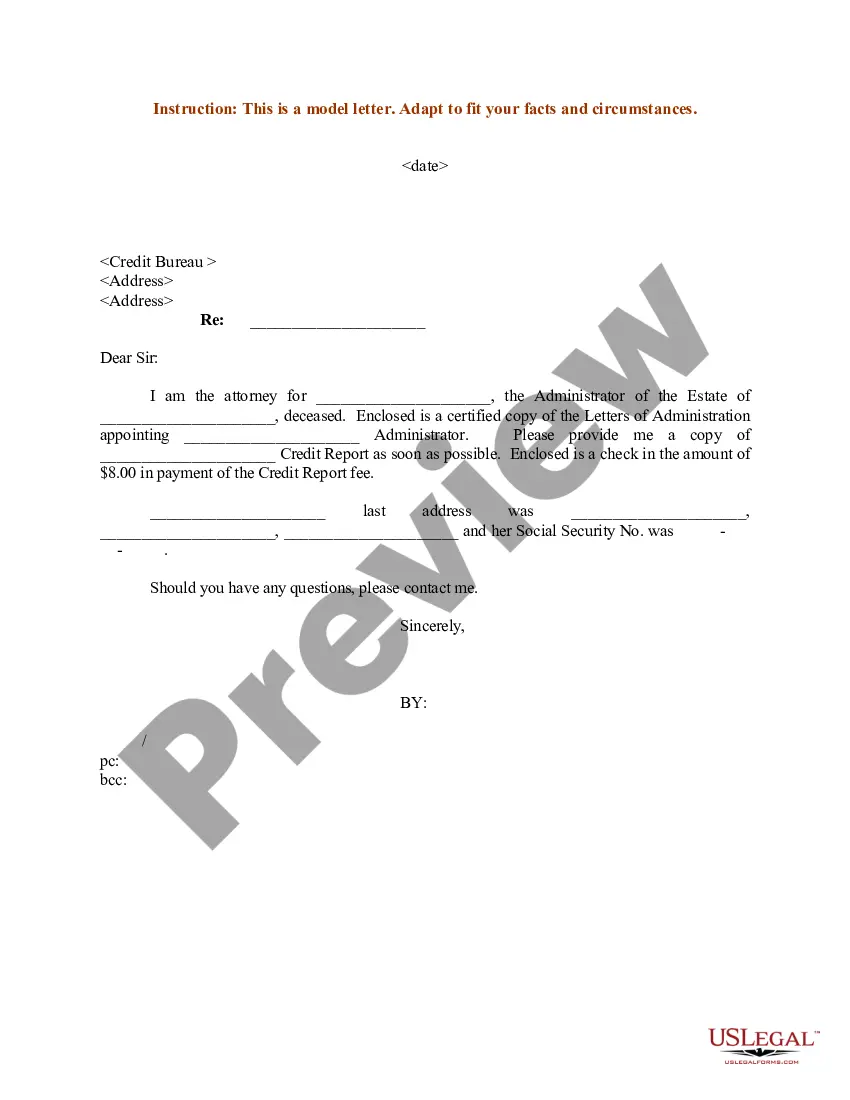
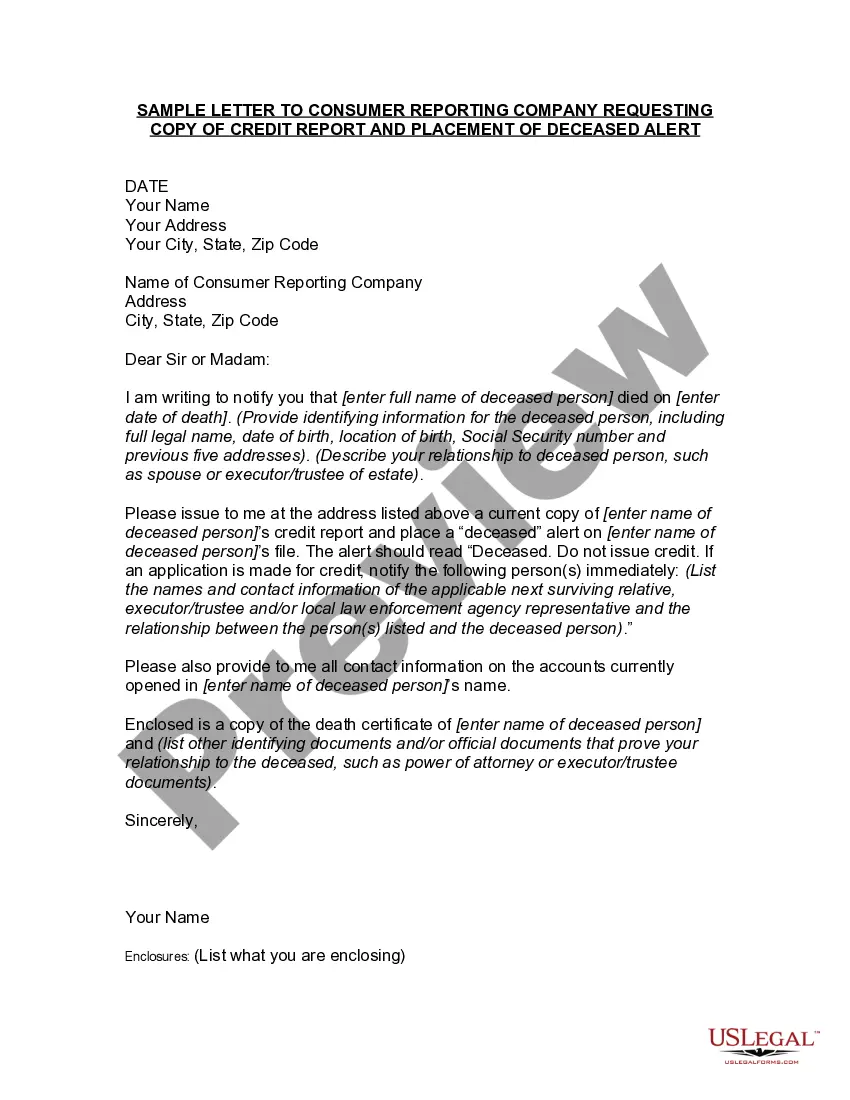
Letter Credit Attorney Formal In Virginia
Description


Get your form ready online
Our built-in tools help you complete, sign, share, and store your documents in one place.
Make edits, fill in missing information, and update formatting in US Legal Forms—just like you would in MS Word.
Download a copy, print it, send it by email, or mail it via USPS—whatever works best for your next step.
Sign and collect signatures with our SignNow integration. Send to multiple recipients, set reminders, and more. Go Premium to unlock E-Sign.
If this form requires notarization, complete it online through a secure video call—no need to meet a notary in person or wait for an appointment.
We protect your documents and personal data by following strict security and privacy standards.

Make edits, fill in missing information, and update formatting in US Legal Forms—just like you would in MS Word.

Download a copy, print it, send it by email, or mail it via USPS—whatever works best for your next step.

Sign and collect signatures with our SignNow integration. Send to multiple recipients, set reminders, and more. Go Premium to unlock E-Sign.

If this form requires notarization, complete it online through a secure video call—no need to meet a notary in person or wait for an appointment.

We protect your documents and personal data by following strict security and privacy standards.
Looking for another form?


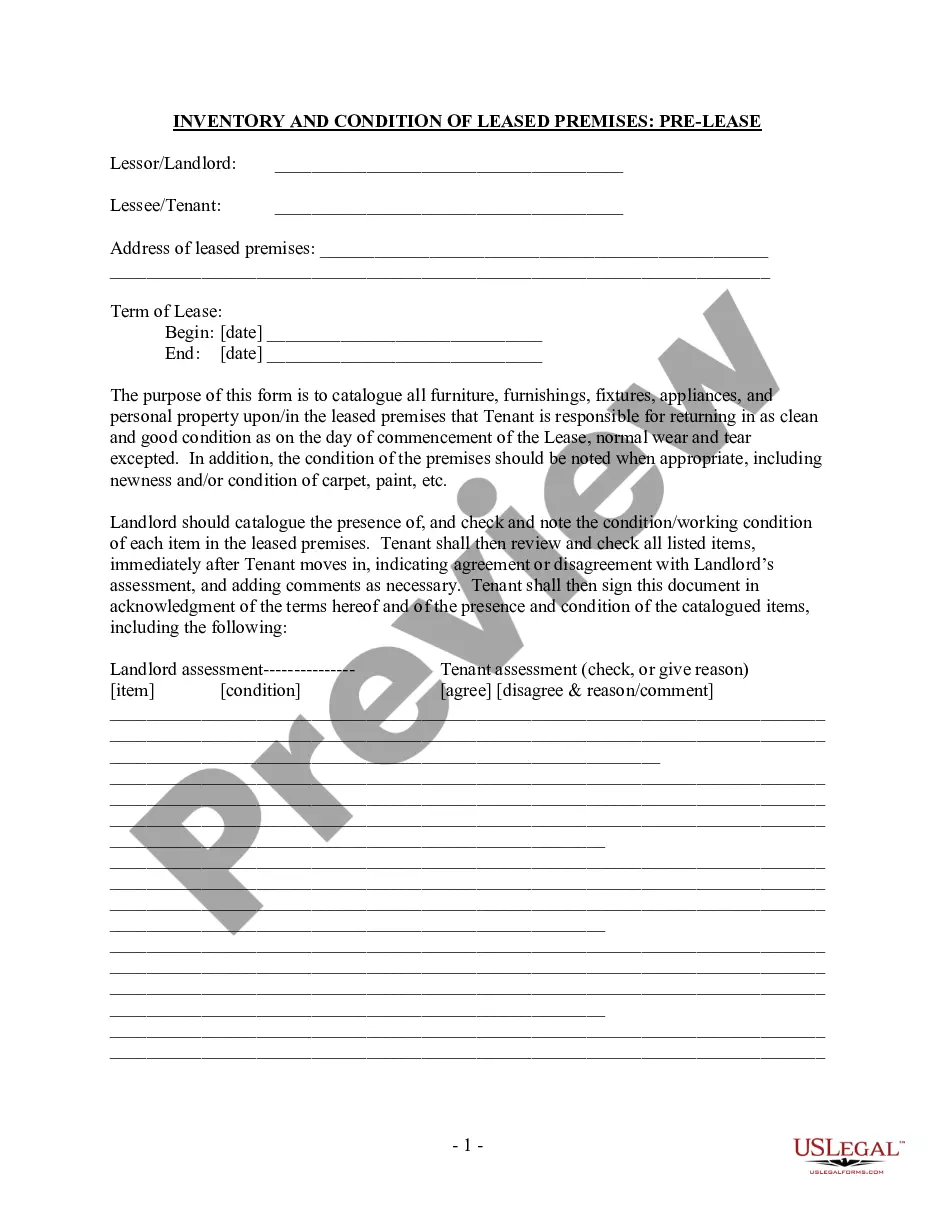
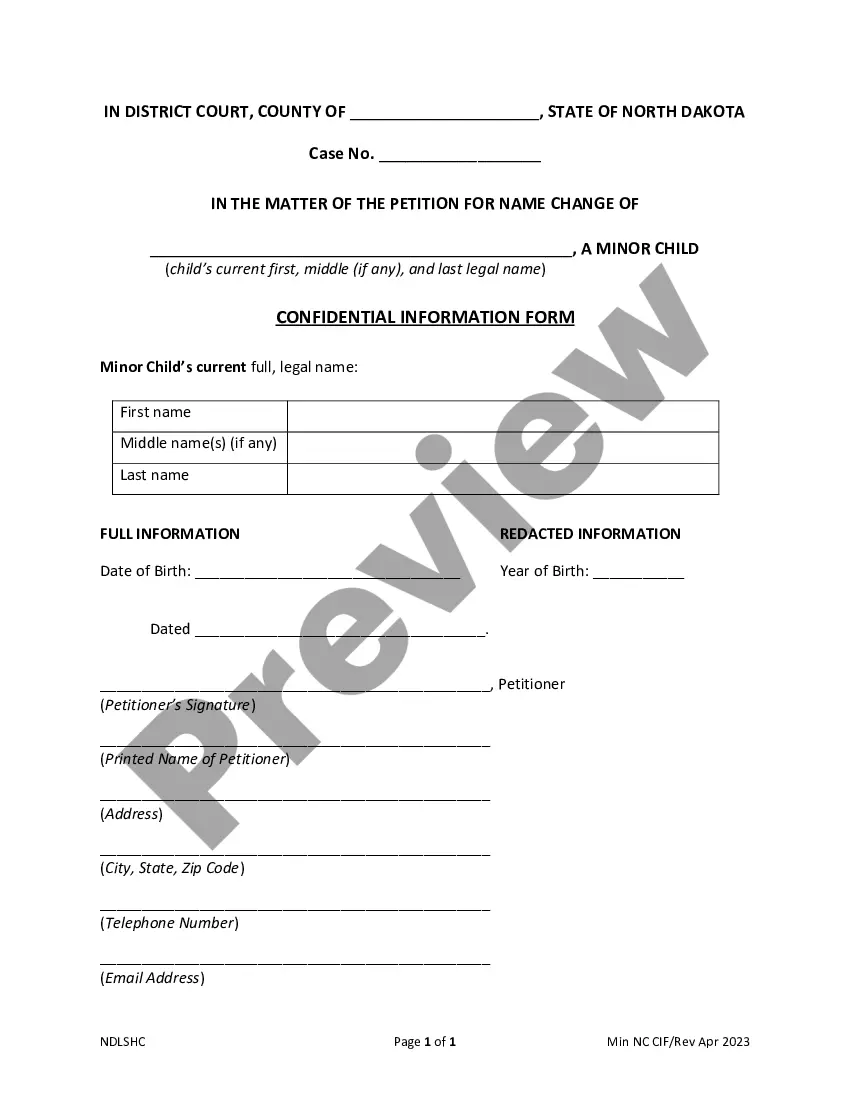
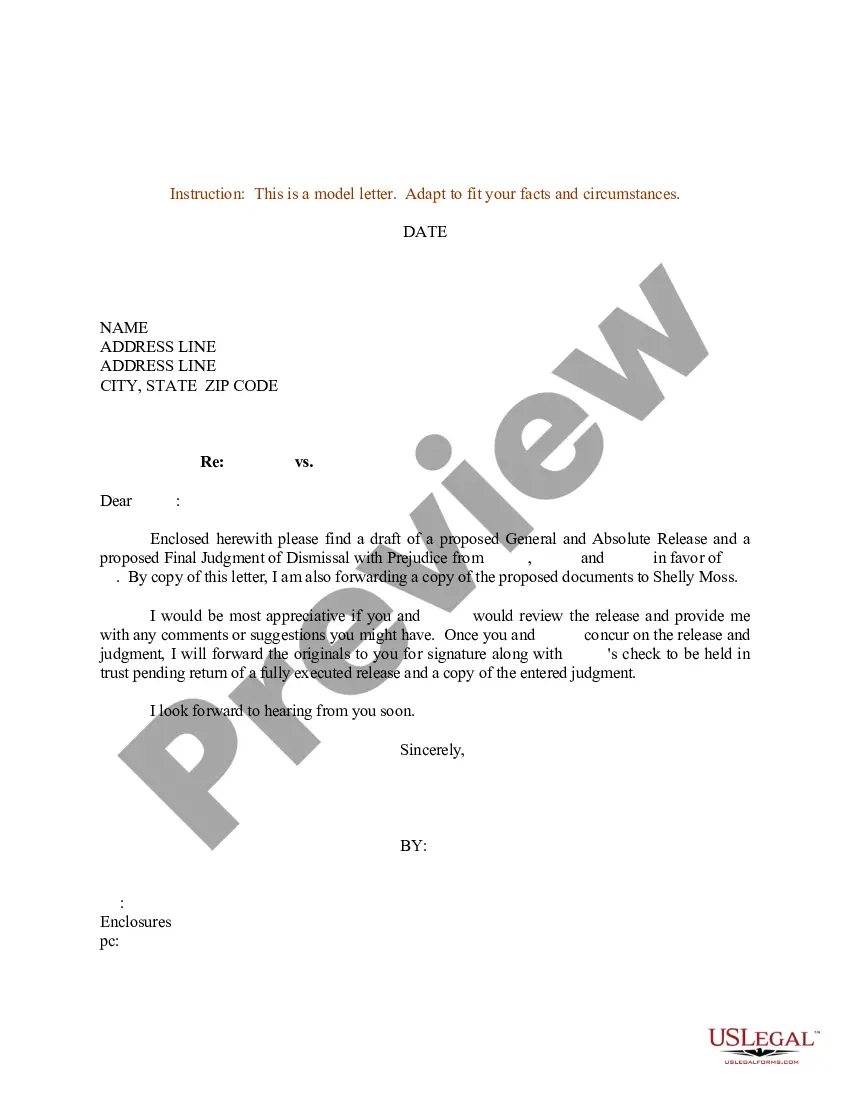
Form popularity
FAQ
The “609 loophole” is a misconception. Section 609 of the Fair Credit Reporting Act (FCRA) allows consumers to request their credit file information. It does not guarantee the removal of negative items but requires credit bureaus to verify the accuracy of disputed information.
Sample 609 Credit Dispute Letter Dear Credit Bureau Name, I am writing to dispute inaccurate information on my Credit Bureau Name credit report, file number report number. I have circled the items I dispute on the attached copy of my report.
It's a request for a copy of the information in your credit file. These letters reportedly get their name from Section 609 of the Fair Credit Reporting Act (FCRA), a federal law that regulates the credit reporting industry.
How to Send a 609 Dispute Letter Prepare your documents. Gather all the necessary documents that support your dispute. Choose the right credit bureau. Determine which credit bureau (Equifax, Experian, or TransUnion) to send your dispute letter to. 3. Mail your letter. Keep copies. Follow up. Review the results.
Here are the mailing addresses for each credit bureau: Equifax. P.O. Box 7404256. Atlanta, GA 30374-0256. Experian. Dispute Department. P.O. Box 9701. Allen, TX 75013. TransUnion. Consumer Solutions. P.O. Box 2000. Chester, PA 19022-2000.
A skilled credit report dispute attorney has the legal background and experience to understand and navigate a variety of credit dispute challenges. They understand the details of the Fair Credit Reporting Act, including your rights under the law.
Formatting the Letter Decide whether to follow "full block" or "modified block" format. Write your address. Write the date. Insert your attorney's name and address. Reference your case number. Greet your attorney. Write out the body of the letter. Close the letter.
When you correspond with a lawyer, you have two choices: Write the person using a standard courtesy title (“Mr. Robert Jones” or “Ms. Cynthia Adams”) Skip the courtesy title and put “Esquire” after the name, using its abbreviated form, “Esq.” (“Robert Jones, Esq.” or “Cynthia Adams, Esq.”)
The term attorney is an abbreviated form of the formal title “attorney at law.” An attorney is someone who is not only trained and educated in law, but also practices it in court. A basic definition of an attorney is someone who acts as a practitioner in a court of law.