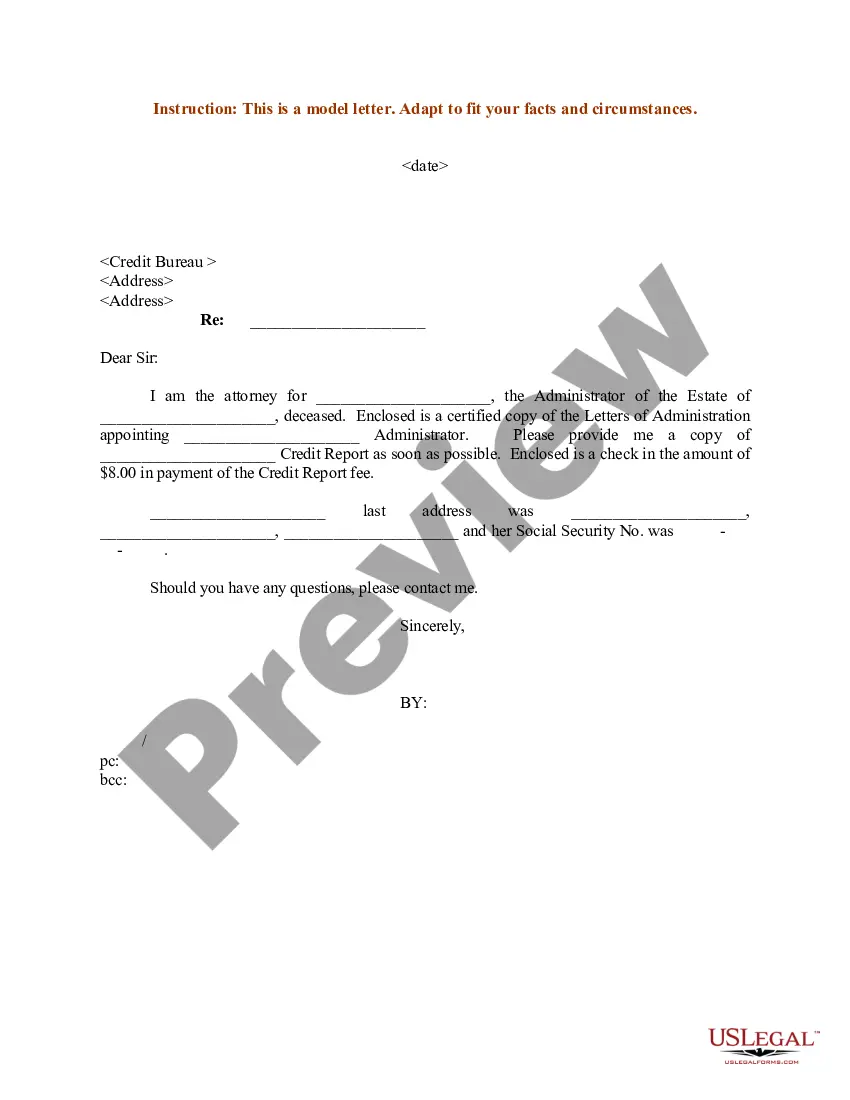
Letter Credit Attorney Without In Broward
Description


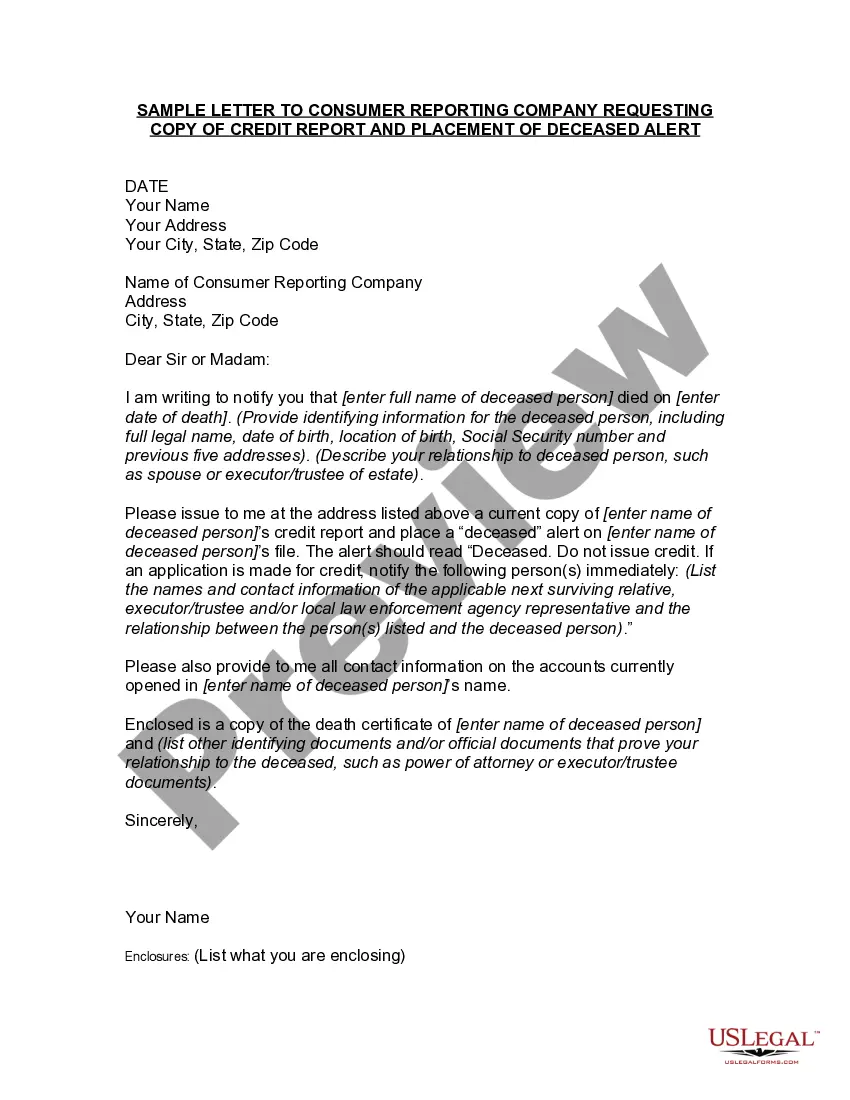
Get your form ready online
Our built-in tools help you complete, sign, share, and store your documents in one place.
Make edits, fill in missing information, and update formatting in US Legal Forms—just like you would in MS Word.
Download a copy, print it, send it by email, or mail it via USPS—whatever works best for your next step.
Sign and collect signatures with our SignNow integration. Send to multiple recipients, set reminders, and more. Go Premium to unlock E-Sign.
If this form requires notarization, complete it online through a secure video call—no need to meet a notary in person or wait for an appointment.
We protect your documents and personal data by following strict security and privacy standards.

Make edits, fill in missing information, and update formatting in US Legal Forms—just like you would in MS Word.

Download a copy, print it, send it by email, or mail it via USPS—whatever works best for your next step.

Sign and collect signatures with our SignNow integration. Send to multiple recipients, set reminders, and more. Go Premium to unlock E-Sign.

If this form requires notarization, complete it online through a secure video call—no need to meet a notary in person or wait for an appointment.

We protect your documents and personal data by following strict security and privacy standards.
Looking for another form?




Form popularity
FAQ
Some lawyers send letters during litigation in an attempt to settle outstanding issues. Some lawyers send letters because they are seeking information. Some lawyers send letters to confirm what has been said or what has occurred. Some lawyers send letters so that their clients will think they are doing a good job.
A dedicated fair credit reporting lawyer can help correct these credit report problems: Credit reporting errors due to identity theft. Mistakes from data belonging to someone else. Errors from incorrect account balances and payments not properly credited.
A skilled credit report dispute attorney has the legal background and experience to understand and navigate a variety of credit dispute challenges. They understand the details of the Fair Credit Reporting Act, including your rights under the law.
What does a credit repair attorney do? Reviewing your credit reports to evaluate potential errors or ways to improve your score. Negotiating with credit reporting agencies to remove negative items from your credit report, such as late payments and foreclosures. Negotiating settlement amounts with your creditors.
Lawyers cannot remove information from your credit report. Only the official credit reporting agencies (Experian, Equifax, and Transunion) can make changes to your credit report. However, you can contact the credit reporting agencies yourself and provide them proof that your old credit cards have been settled.