Resolution Format For Trust In Sacramento
Description



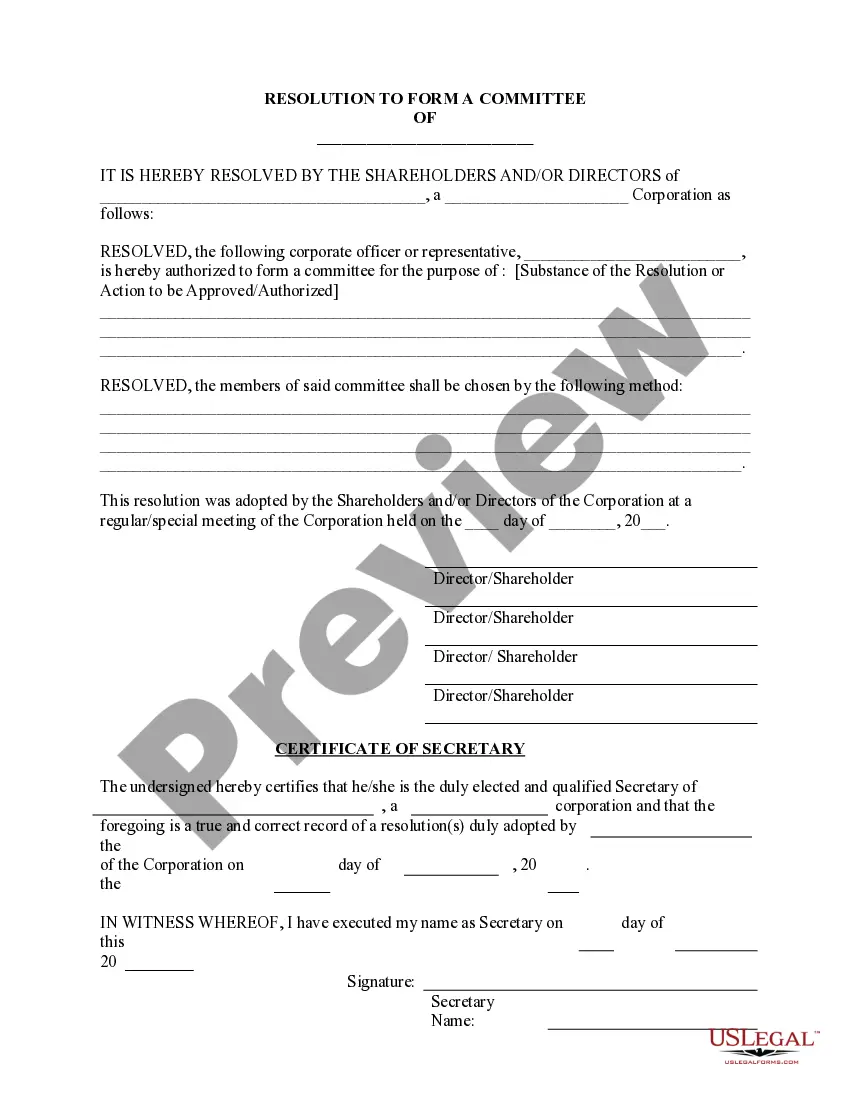
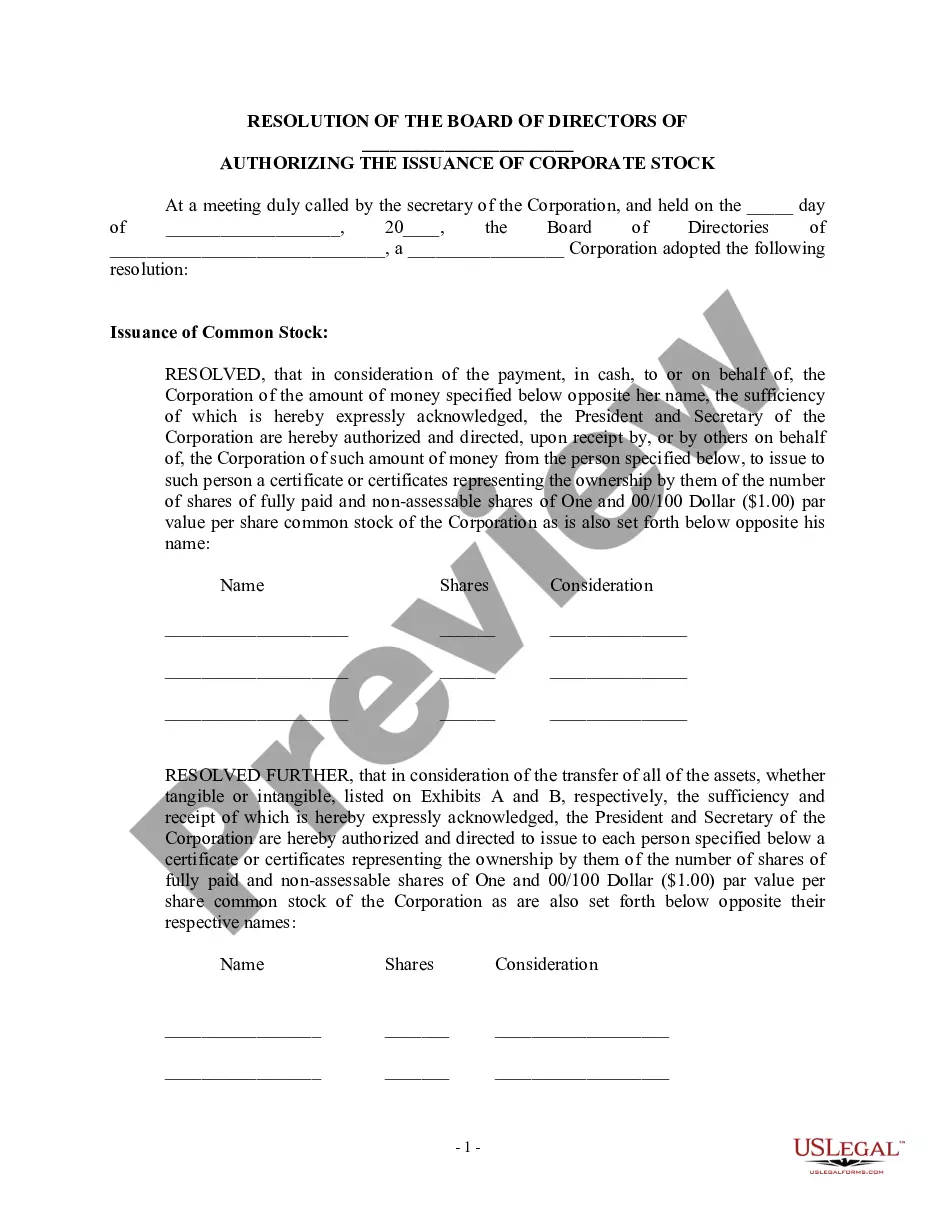

Get your form ready online
Our built-in tools help you complete, sign, share, and store your documents in one place.
Make edits, fill in missing information, and update formatting in US Legal Forms—just like you would in MS Word.
Download a copy, print it, send it by email, or mail it via USPS—whatever works best for your next step.
Sign and collect signatures with our SignNow integration. Send to multiple recipients, set reminders, and more. Go Premium to unlock E-Sign.
If this form requires notarization, complete it online through a secure video call—no need to meet a notary in person or wait for an appointment.
We protect your documents and personal data by following strict security and privacy standards.

Make edits, fill in missing information, and update formatting in US Legal Forms—just like you would in MS Word.

Download a copy, print it, send it by email, or mail it via USPS—whatever works best for your next step.

Sign and collect signatures with our SignNow integration. Send to multiple recipients, set reminders, and more. Go Premium to unlock E-Sign.

If this form requires notarization, complete it online through a secure video call—no need to meet a notary in person or wait for an appointment.

We protect your documents and personal data by following strict security and privacy standards.
Looking for another form?









Form popularity
FAQ
To terminate an active trust, a party with standing must petition the court and provide evidence that persuades a judge to issue an order dissolving the trust or all beneficiaries of the trust must agree to its termination.
To terminate an active trust, a party with standing must petition the court and provide evidence that persuades a judge to issue an order dissolving the trust or all beneficiaries of the trust must agree to its termination.
The law says that if all beneficiaries consent, they can petition the Court to change or end the trust. The Court will consider: if the trust must continue in order to carry out the purpose of the trust. if the reason for changing or ending the trust outweighs the interest in carrying out the purpose of the trust.
Example Scenario Obtain the Current Deed: Get a copy of your existing deed from the county recorder's office. Prepare a New Deed: Draft a grant deed transferring the property to “John Doe, as Trustee of The John Doe Living Trust, dated January 1, 2024.” Notarize the Deed: Sign the new deed before a notary public.
How do you write an irrevocable trust document? Draft the written irrevocable trust agreement. Spell out which assets will be placed into the trust, name a trustee and beneficiaries, and outline the terms by which the trust assets will be distributed (how, when, to whom, etc.).
Settling a trust in California is similar to probate, in that notice must be sent to all known creditors so they have an opportunity to make a claim. One of the best things to do in a trust if you suspect there are unknown creditors is to publish a notice of trust administration.
Trusts are not filed or registered with the Court. You may wish to contact the County Recorder or the attorney who prepared the trust to obtain copies.
To close a trust after death, the successor trustee must settle and terminate the trust by diligently distributing its assets as per the trust's terms. This involves inventorying assets, paying debts, and ensuring beneficiaries receive their rightful shares, effectively bringing the trust to a timely conclusion.
How to create a living trust in California Take stock of your assets. Choose a trustee. Choose your beneficiaries. Draw up your Declaration of Trust. Consider signing your trust document in front of a notary public. Transfer your property to the trust.
Trusts are not filed or registered with the Court. You may wish to contact the County Recorder or the attorney who prepared the trust to obtain copies.
