Ejemplo De Recibos In Salt Lake
Description
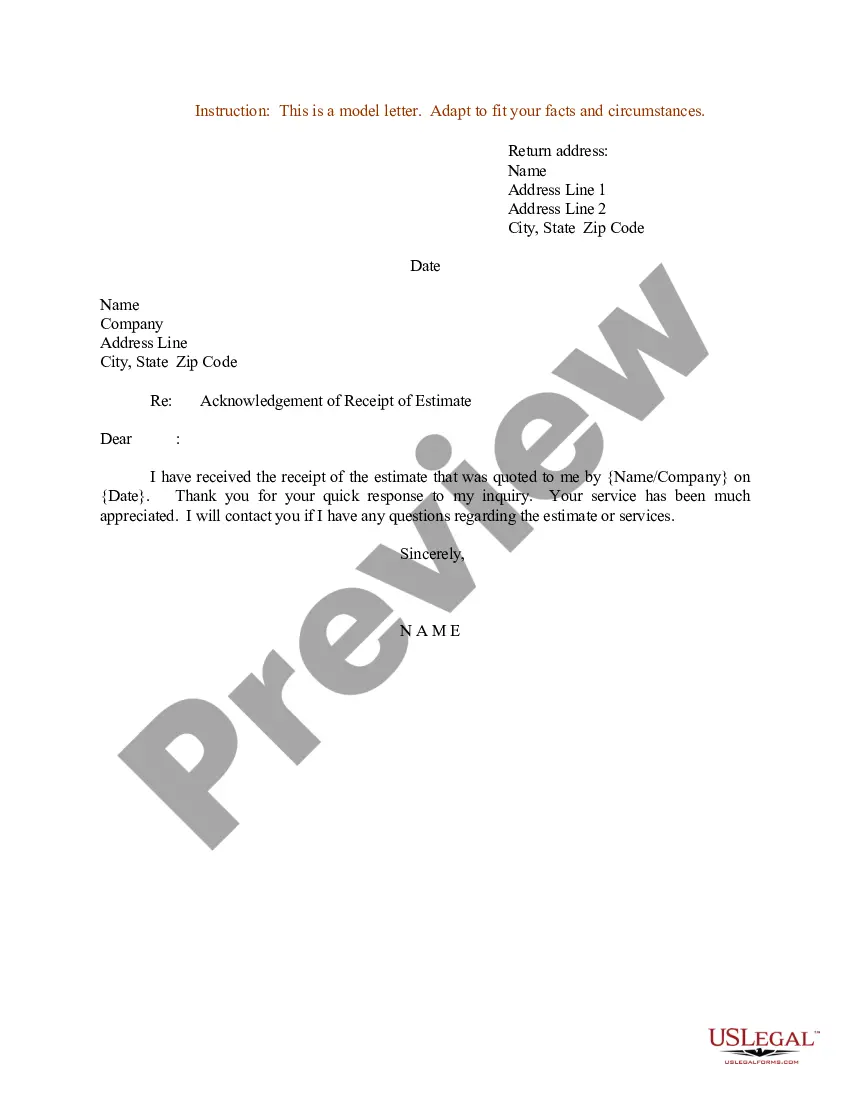



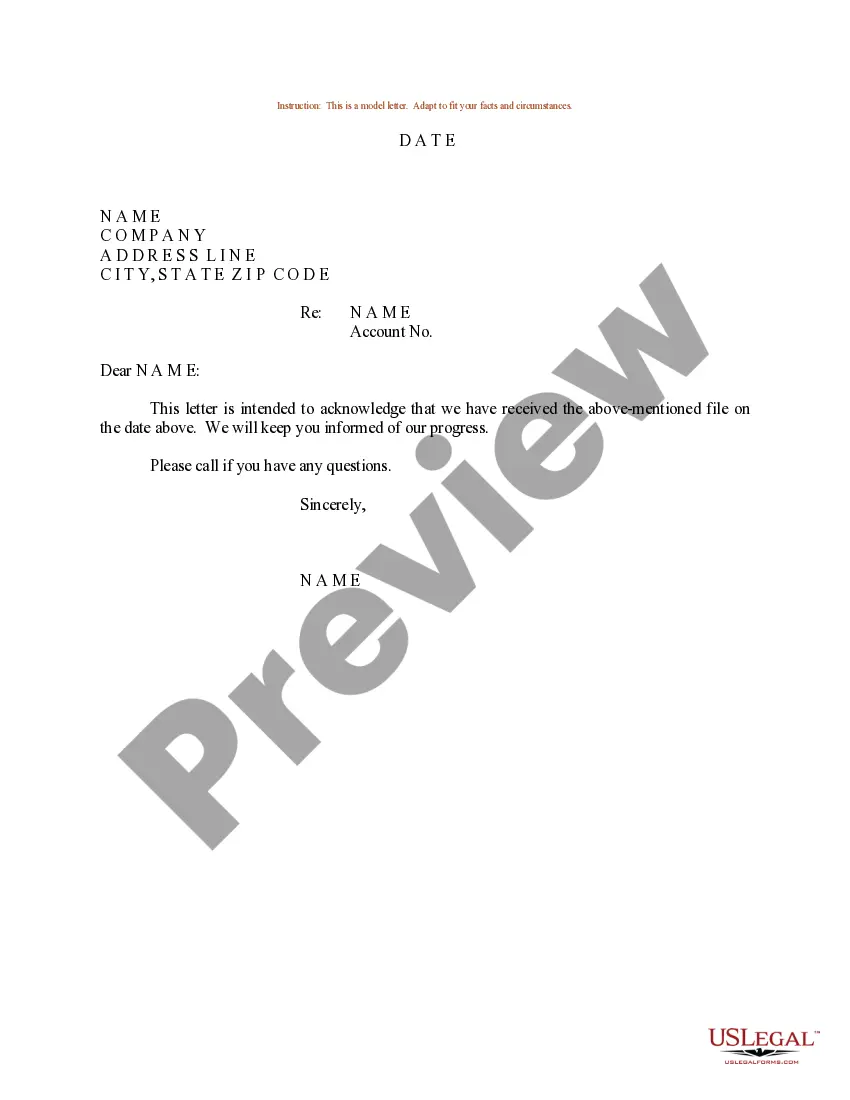
Get your form ready online
Our built-in tools help you complete, sign, share, and store your documents in one place.
Make edits, fill in missing information, and update formatting in US Legal Forms—just like you would in MS Word.
Download a copy, print it, send it by email, or mail it via USPS—whatever works best for your next step.
Sign and collect signatures with our SignNow integration. Send to multiple recipients, set reminders, and more. Go Premium to unlock E-Sign.
If this form requires notarization, complete it online through a secure video call—no need to meet a notary in person or wait for an appointment.
We protect your documents and personal data by following strict security and privacy standards.

Make edits, fill in missing information, and update formatting in US Legal Forms—just like you would in MS Word.

Download a copy, print it, send it by email, or mail it via USPS—whatever works best for your next step.

Sign and collect signatures with our SignNow integration. Send to multiple recipients, set reminders, and more. Go Premium to unlock E-Sign.

If this form requires notarization, complete it online through a secure video call—no need to meet a notary in person or wait for an appointment.

We protect your documents and personal data by following strict security and privacy standards.
Looking for another form?
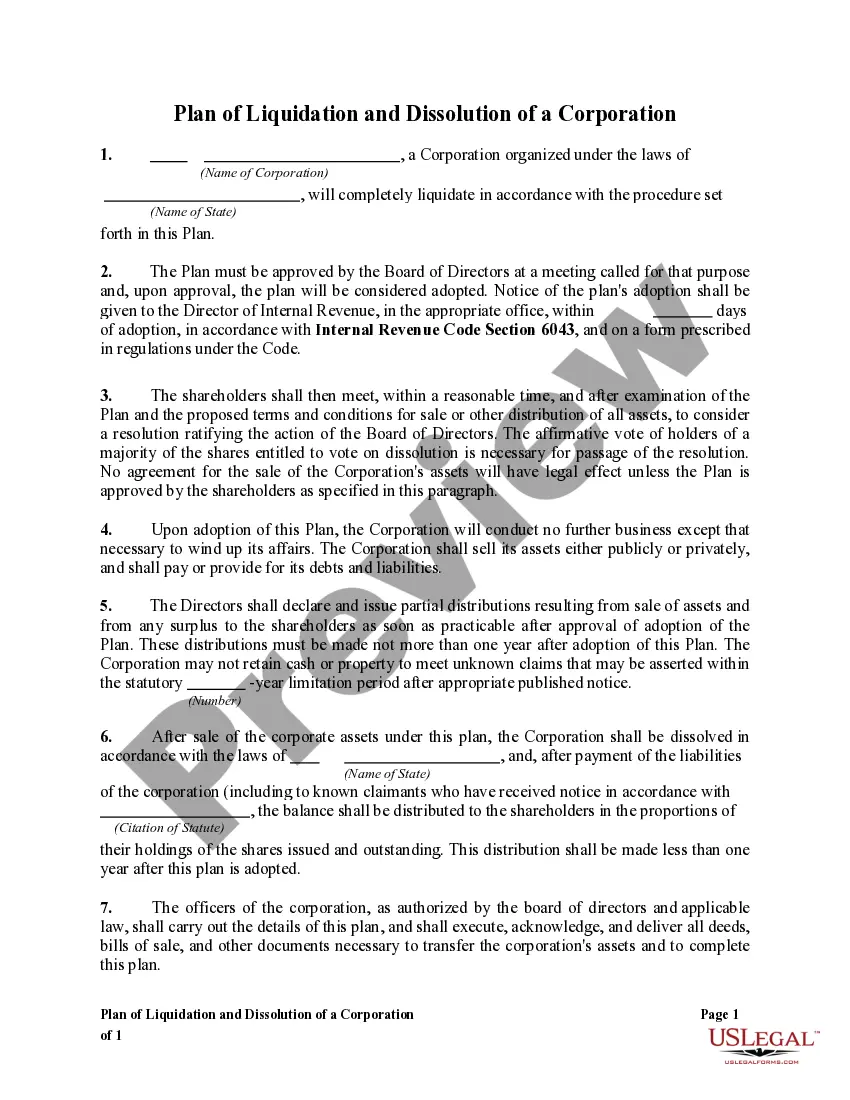
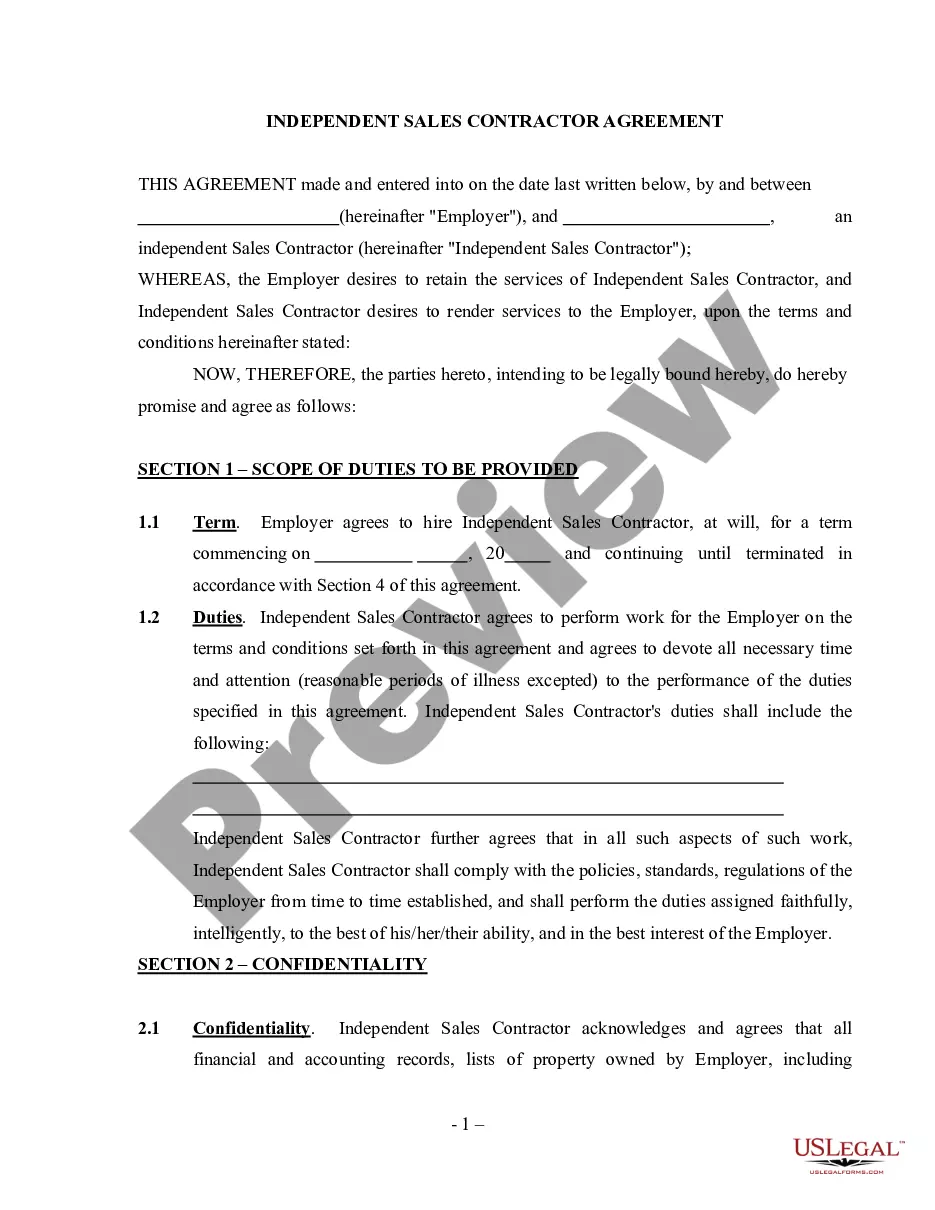
Form popularity
FAQ
For those who didn't realize, Utah is not a dry state. The state boasts more than 350 bars, and Salt Lake County accounts for over half.
Salt Lake City is often considered a ``dry'' city due to its historical and cultural associations with the Church of Jesus Christ of Latter-day Saints (LDS Church), which promotes abstinence from alcohol. Utah has specific laws regulating alcohol sales, which can be stricter than in many other states.
In addition to seasonal variations, Salt Lake City is at risk of long-term water scarcity, especially as its population increases over the next few decades. The water supply is also closely related to water levels in the Great Salt Lake, which is located just west of the city and has been steadily shrinking.
The aridification of Great Salt Lake is primarily the result of people diverting water from rivers that would otherwise replenish the lake. While most of the desiccation of Great Salt Lake can be attributed to anthropomorphic causes, climate change has still had a measurable impact on the lake.
As rain water and snow melt run down the mountains, minerals and salts are eroded and eventually end up in the Great Salt Lake. Since the lake is a terminal lake, the only way water can leave is through evaporation, leaving the salt and minerals behind. Different parts of the lake are saltier than others.
Water diversions from farmers, residential growth—approximately 1.2 million people live in Salt Lake—and climate change are to blame for the dwindling lake, as Outside previously reported. In the study, researchers sampled emissions from the dried saline lakebed over a seven-month period in 2020.

