Account Estate Bank Foreclosure In Wayne
Description


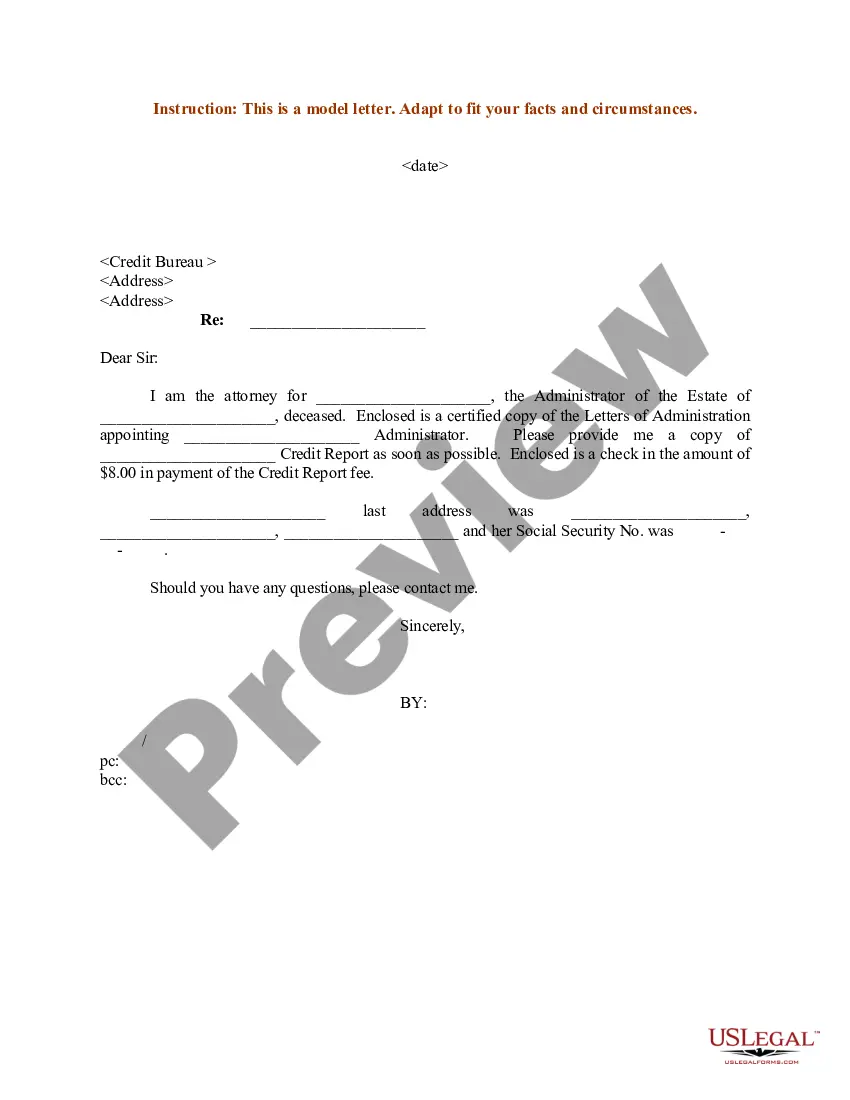

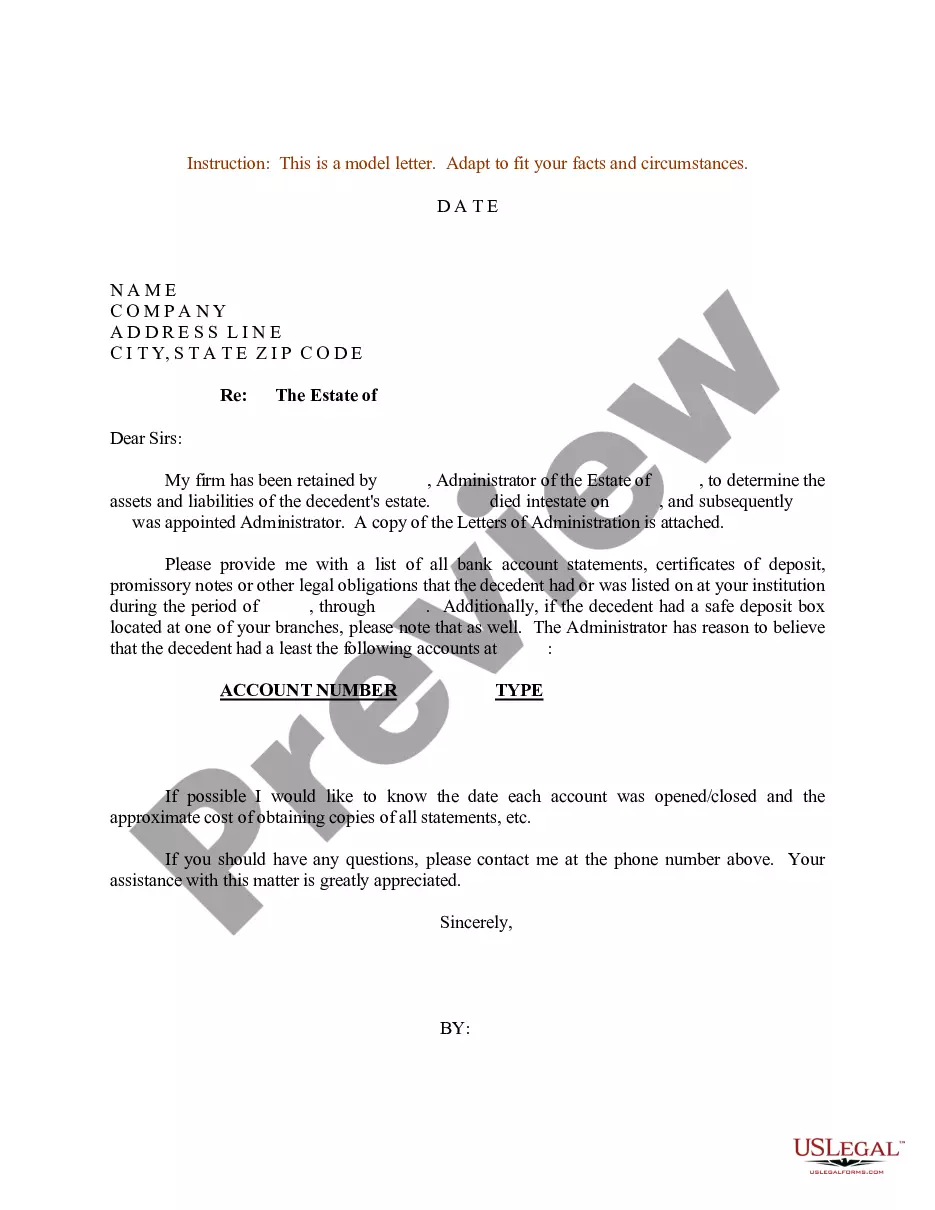
Get your form ready online
Our built-in tools help you complete, sign, share, and store your documents in one place.
Make edits, fill in missing information, and update formatting in US Legal Forms—just like you would in MS Word.
Download a copy, print it, send it by email, or mail it via USPS—whatever works best for your next step.
Sign and collect signatures with our SignNow integration. Send to multiple recipients, set reminders, and more. Go Premium to unlock E-Sign.
If this form requires notarization, complete it online through a secure video call—no need to meet a notary in person or wait for an appointment.
We protect your documents and personal data by following strict security and privacy standards.

Make edits, fill in missing information, and update formatting in US Legal Forms—just like you would in MS Word.

Download a copy, print it, send it by email, or mail it via USPS—whatever works best for your next step.

Sign and collect signatures with our SignNow integration. Send to multiple recipients, set reminders, and more. Go Premium to unlock E-Sign.

If this form requires notarization, complete it online through a secure video call—no need to meet a notary in person or wait for an appointment.

We protect your documents and personal data by following strict security and privacy standards.
Looking for another form?
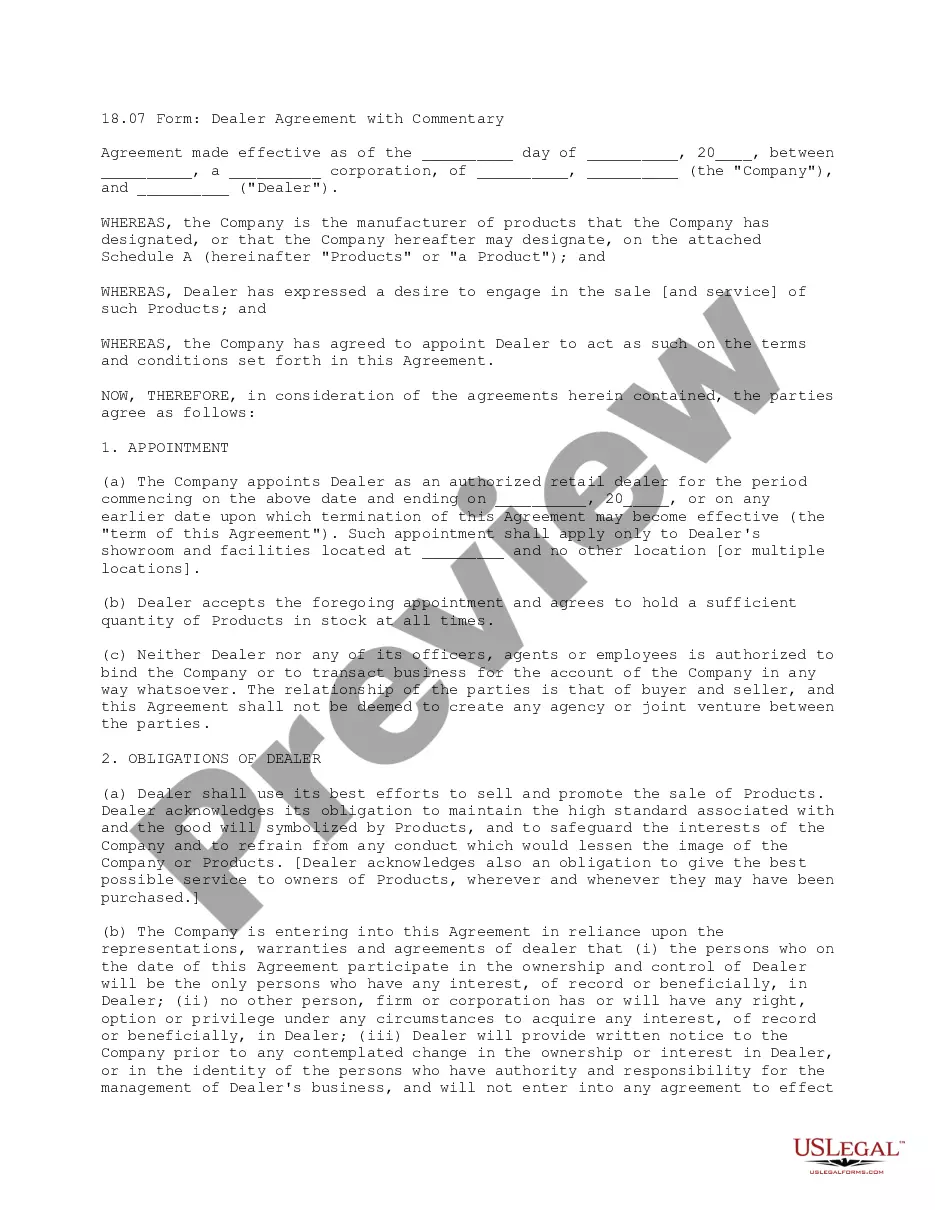
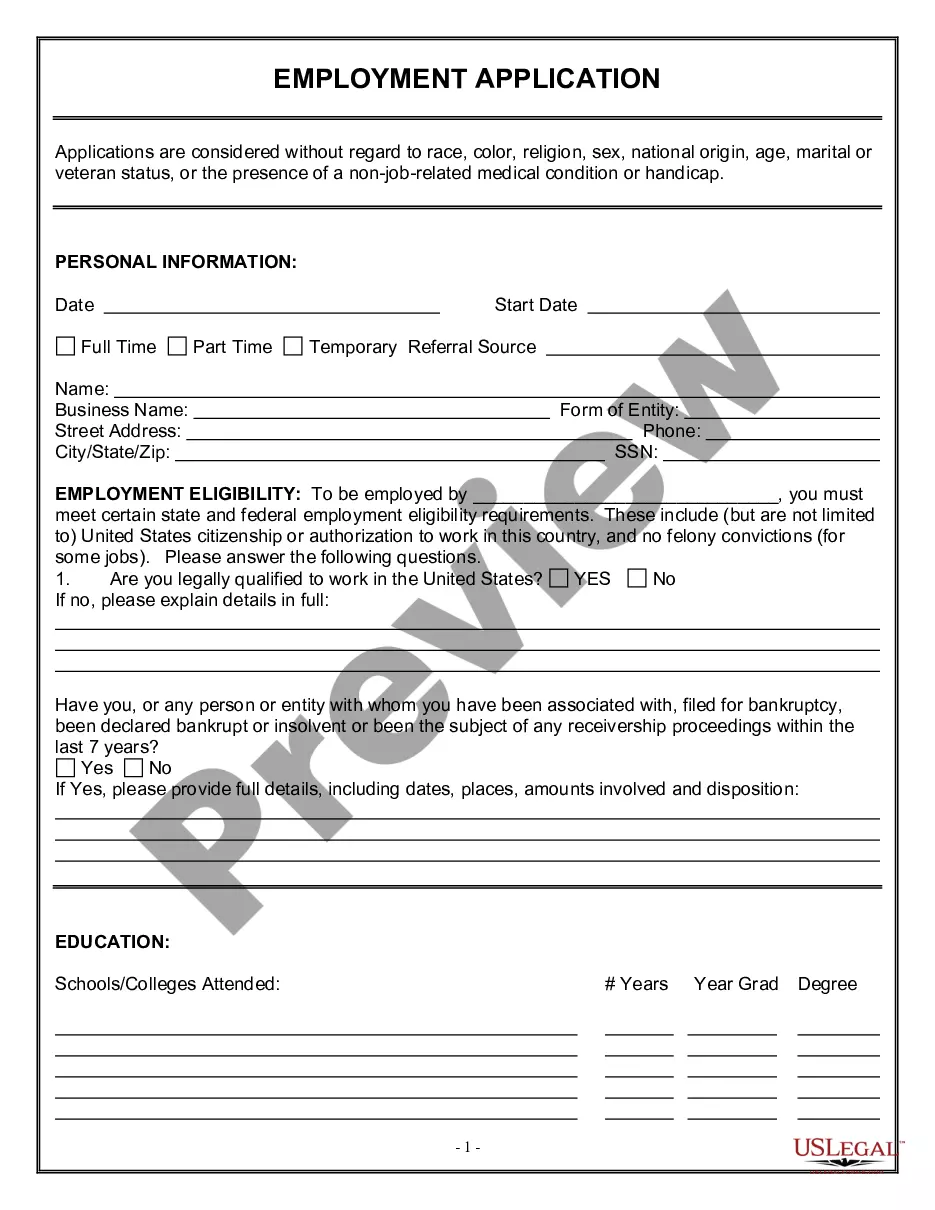

Form popularity
FAQ
Visit your county's recorder's office. Once you've found your local records office, you can search for the property by the homeowner's name. Some offices maintain their records in print form, while others have switched to digital archives. Don't be afraid to ask the office clerk if you need assistance.
Throughout the foreclosure process, various legal notices must be filed in your County Recorder's Office. This information is public record and available to anyone. Just visit your county's office and you can search for a Notice of Default (NOD), lis pendens or Notice of Sale. Two benefits to searching public records?
How Can You Max Out Your Chances of Working It Out? Explain your financial hardship and why it is/was temporary. Demonstrate that you have tried to improve your situation. Make a specific proposal or specific alternative proposals. Demonstrate that you are financially able to keep your end of the bargain.
Getting started with probate in New York New York does not have a deadline for this, as other states do, but it is helpful to take this action as soon as possible to begin the process, especially if you will be going through full probate.
A Letter of Administration is a legal document that grants authority to an individual or individuals to manage the financial affairs and assets of someone who has died without a will. This document is issued by the court when there is no executor named in the decedent's will if one exists.
Take control of, and investigates, the business and financial affairs of your company. report their findings to creditors at creditors' meetings, and. put forward recommendations about the future of your company for creditors to vote on at a watershed meeting.
In a regular probate proceeding, the Court will issue an order appointing you the executor of the estate. In a small estate proceeding there is no order. Instead, the Court will issue you a certificate identifying you as the voluntary administrator and authorizing you to collect a specified asset or assets.
Steps to Become a Personal Representative of an Estate Understand Your Priority for Appointment. Determine the Proper Probate Court. Research the County's Filing Requirements. File the Petition for Administration. Notice of Petition to Administer Estate. File a Bond. Attend the Probate Hearing.
If there is no Will, an Intestate Administration proceeding is filed. The court will then appoint an Administrator and he or she will have all of the powers of an Executor.
