Account Estate Bank With In Washington
Description


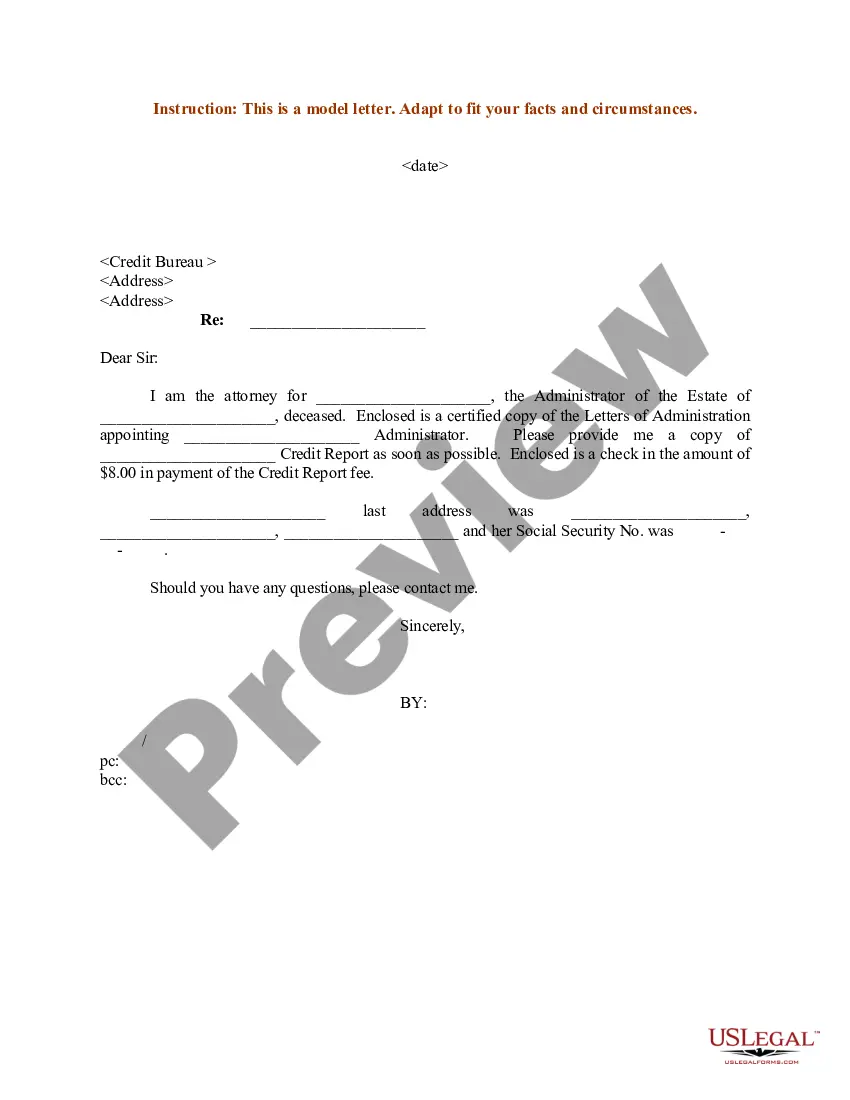

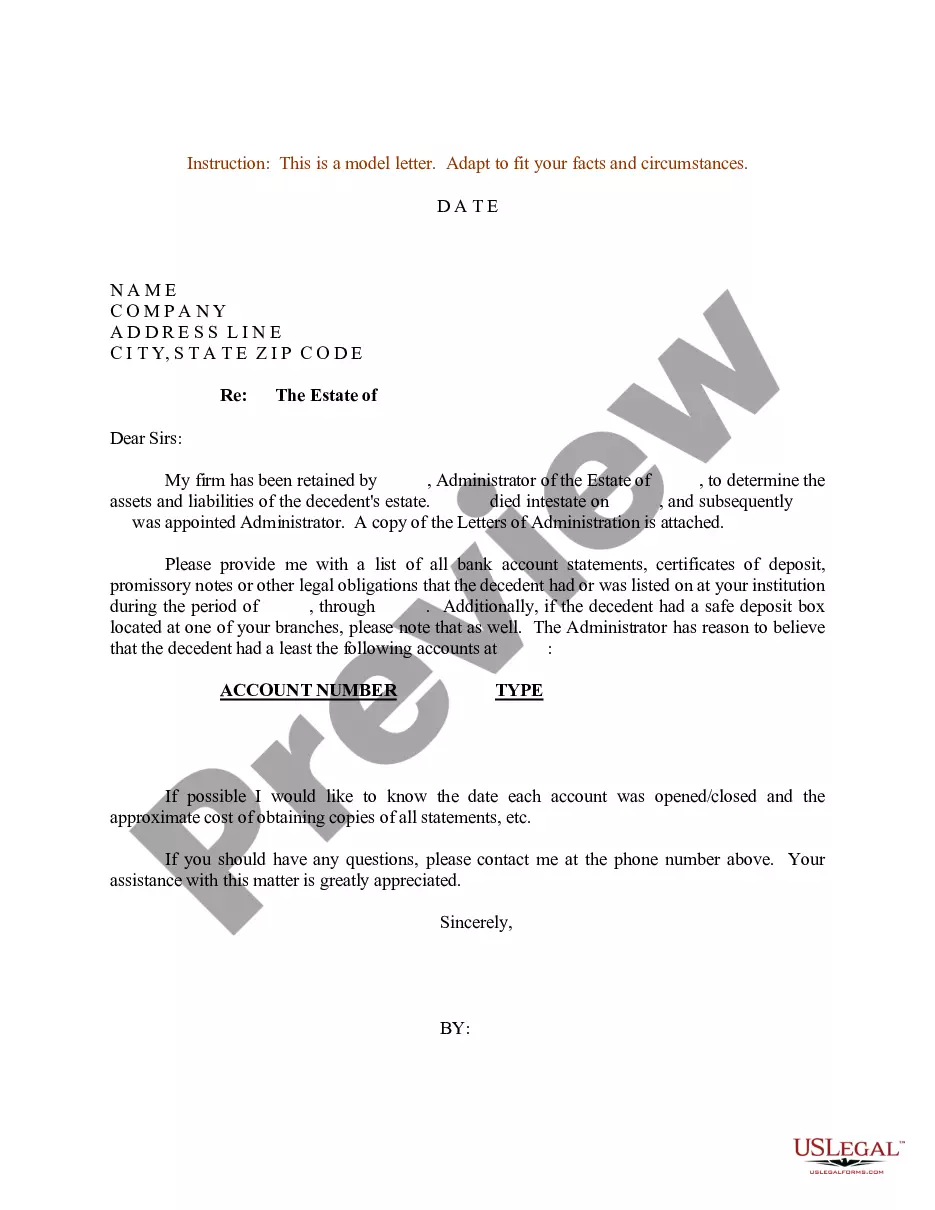
Get your form ready online
Our built-in tools help you complete, sign, share, and store your documents in one place.
Make edits, fill in missing information, and update formatting in US Legal Forms—just like you would in MS Word.
Download a copy, print it, send it by email, or mail it via USPS—whatever works best for your next step.
Sign and collect signatures with our SignNow integration. Send to multiple recipients, set reminders, and more. Go Premium to unlock E-Sign.
If this form requires notarization, complete it online through a secure video call—no need to meet a notary in person or wait for an appointment.
We protect your documents and personal data by following strict security and privacy standards.

Make edits, fill in missing information, and update formatting in US Legal Forms—just like you would in MS Word.

Download a copy, print it, send it by email, or mail it via USPS—whatever works best for your next step.

Sign and collect signatures with our SignNow integration. Send to multiple recipients, set reminders, and more. Go Premium to unlock E-Sign.

If this form requires notarization, complete it online through a secure video call—no need to meet a notary in person or wait for an appointment.

We protect your documents and personal data by following strict security and privacy standards.
Looking for another form?






Form popularity
FAQ
(3) Funds belonging to a deceased depositor which remain on deposit in a joint account with right of survivorship belong to the surviving depositors unless there is clear and convincing evidence of a contrary intent at the time the account was created.
How to open an estate account Step 1: Begin the probate process. The steps for beginning this process depend on the state in which the deceased person resided. Step 2: Obtain a tax ID number for the estate account. Step 3: Bring all required documents to the bank. Step 4: Open the estate account.
Any bank can handle an estate account. It isn't exactly rocket science, the main difference being the signer on the account was court-approved. Pick your favorite bank and go there.
Once you've been appointed as the personal representative of a loved one's estate, you should open an estate checking account. An estate checking account serves as a temporary account to manage the estate's financial affairs.
Contact the bank in advance to ensure you arrive with the appropriate documents, but you'll likely need to bring a notarized or certified copy of the death certificate and proof of your identity, such as a driver's license or passport. You'll also need the decedent's legal name and Social Security number.
Something that often catches a newly appointed personal representative off guard is the requirement to open and manage an estate banking account. Typically, the account is a basic checking account and is often named “Estate of Deceased's Name, Executor's Name, Executor”.
Once you've been appointed executor or personal representative by the probate court, you'll probably want to open a bank account in the name of the estate. Usually, an account for an estate is registered in this or a similar way: "Estate of Gerald S. Smith, Deceased, Pamela S. Smith, executor."
The best banks to open an estate account Schwab One Estate Account. Fidelity Estate Account. Estate Services. USAA Survivor Relations.
