Account Estate Bank Foreclosure In Pima
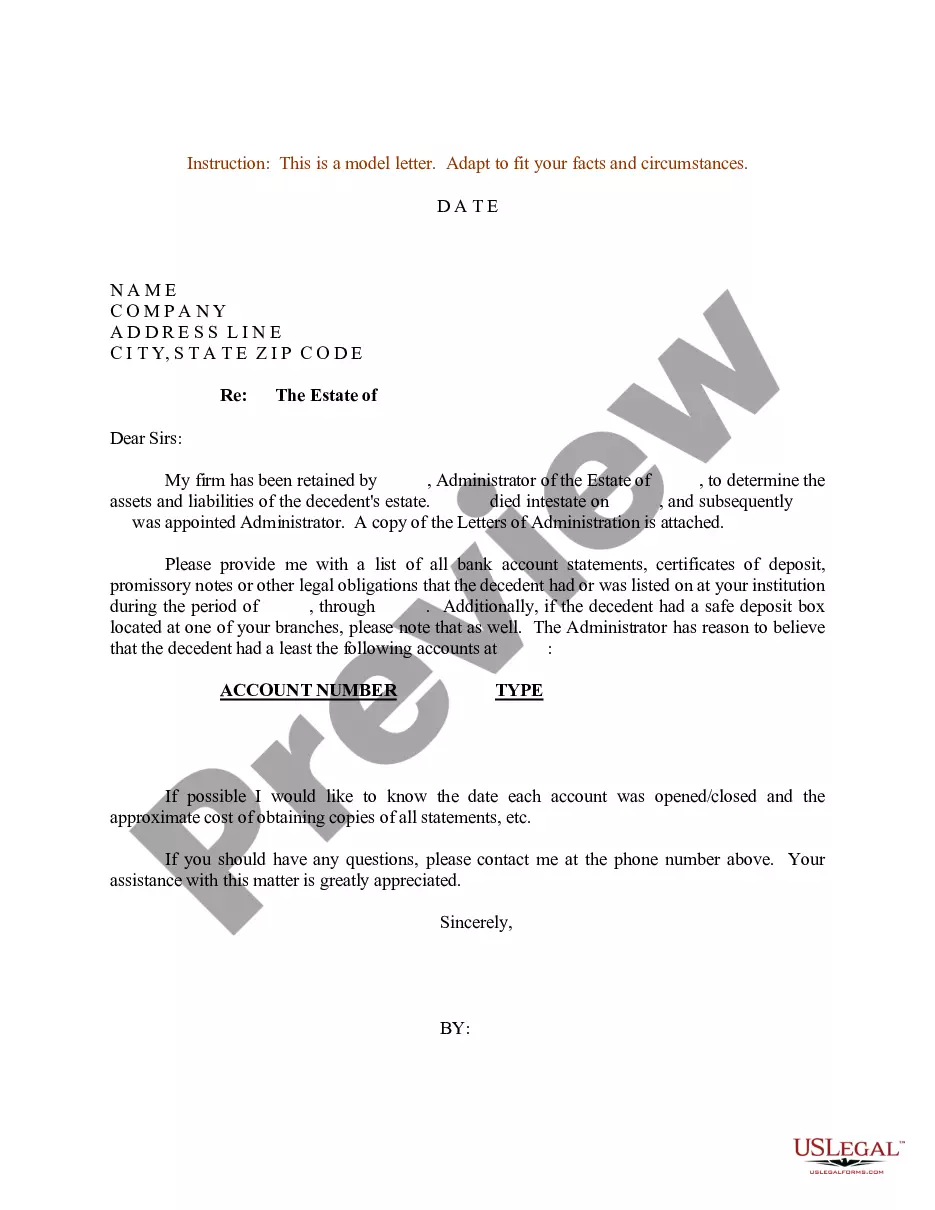
Description




Get your form ready online
Our built-in tools help you complete, sign, share, and store your documents in one place.
Make edits, fill in missing information, and update formatting in US Legal Forms—just like you would in MS Word.
Download a copy, print it, send it by email, or mail it via USPS—whatever works best for your next step.
Sign and collect signatures with our SignNow integration. Send to multiple recipients, set reminders, and more. Go Premium to unlock E-Sign.
If this form requires notarization, complete it online through a secure video call—no need to meet a notary in person or wait for an appointment.
We protect your documents and personal data by following strict security and privacy standards.

Make edits, fill in missing information, and update formatting in US Legal Forms—just like you would in MS Word.

Download a copy, print it, send it by email, or mail it via USPS—whatever works best for your next step.

Sign and collect signatures with our SignNow integration. Send to multiple recipients, set reminders, and more. Go Premium to unlock E-Sign.

If this form requires notarization, complete it online through a secure video call—no need to meet a notary in person or wait for an appointment.

We protect your documents and personal data by following strict security and privacy standards.
Looking for another form?









Form popularity
FAQ
Generally, the Excess Proceeds first go to junior voluntary lienholders and then to the homeowner whose home was foreclosed. Voluntary lienholders are lenders to whom the homeowner voluntarily gives an interest in the home.
How Can You Max Out Your Chances of Working It Out? Explain your financial hardship and why it is/was temporary. Demonstrate that you have tried to improve your situation. Make a specific proposal or specific alternative proposals. Demonstrate that you are financially able to keep your end of the bargain.
During the pre-foreclosure process in Arizona, a lender will issue a notice to the homeowner called a Notice of Default. This paperwork describes the amounts that are owed in arrears, plus any fees and interest as well as other associated costs that are required to make the note current.
For example, you could pursue the following: Refinancing into a fixed rate mortgage. Negotiating a modification with your lender. Creating a repayment plan approved by your lender. Agreeing to a deed in lieu or short sale.
What is the process and timing to non-judicially foreclose upon real property in Arizona? Statutory 90-Day Notice Period. The foreclosure cannot occur earlier than on the 91st day after recording the Notice of Sale.
For example, you could pursue the following: Refinancing into a fixed rate mortgage. Negotiating a modification with your lender. Creating a repayment plan approved by your lender. Agreeing to a deed in lieu or short sale.
MLS: Most lenders list their REO properties on a Multiple Listing Service (MLS), so any real estate agent can help you identify REO offerings in your area. Bank websites: Some banks and credit unions have an entire department set up to sell REOs, and sections of their websites are dedicated to their listings.
To contest a judicial foreclosure, you have to file a written answer to the complaint (the lawsuit). You'll need to present your defenses and explain the reasons why the lender shouldn't be able to foreclose. You might need to defend yourself against a motion for summary judgment and at trial.
