Decedent Account Bank Format In Palm Beach
Description


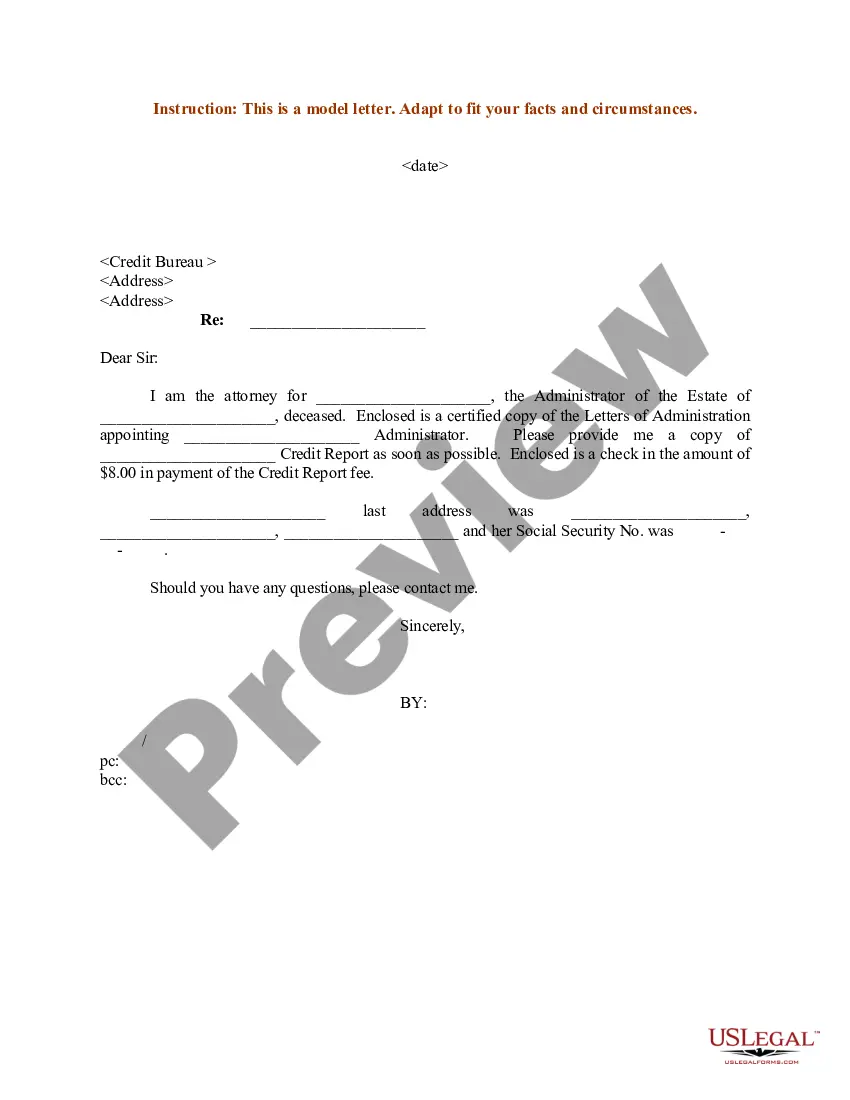

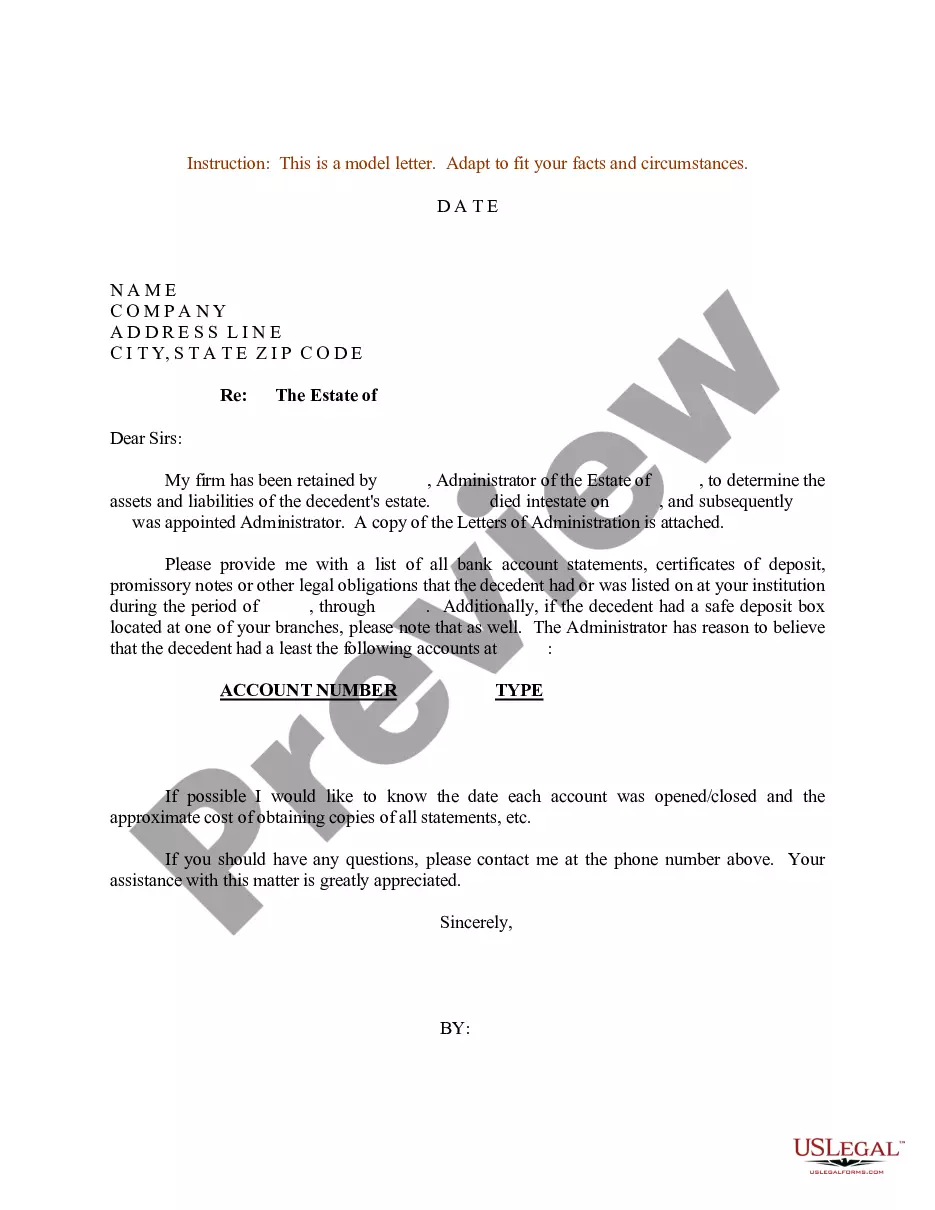
Get your form ready online
Our built-in tools help you complete, sign, share, and store your documents in one place.
Make edits, fill in missing information, and update formatting in US Legal Forms—just like you would in MS Word.
Download a copy, print it, send it by email, or mail it via USPS—whatever works best for your next step.
Sign and collect signatures with our SignNow integration. Send to multiple recipients, set reminders, and more. Go Premium to unlock E-Sign.
If this form requires notarization, complete it online through a secure video call—no need to meet a notary in person or wait for an appointment.
We protect your documents and personal data by following strict security and privacy standards.

Make edits, fill in missing information, and update formatting in US Legal Forms—just like you would in MS Word.

Download a copy, print it, send it by email, or mail it via USPS—whatever works best for your next step.

Sign and collect signatures with our SignNow integration. Send to multiple recipients, set reminders, and more. Go Premium to unlock E-Sign.

If this form requires notarization, complete it online through a secure video call—no need to meet a notary in person or wait for an appointment.

We protect your documents and personal data by following strict security and privacy standards.
Looking for another form?
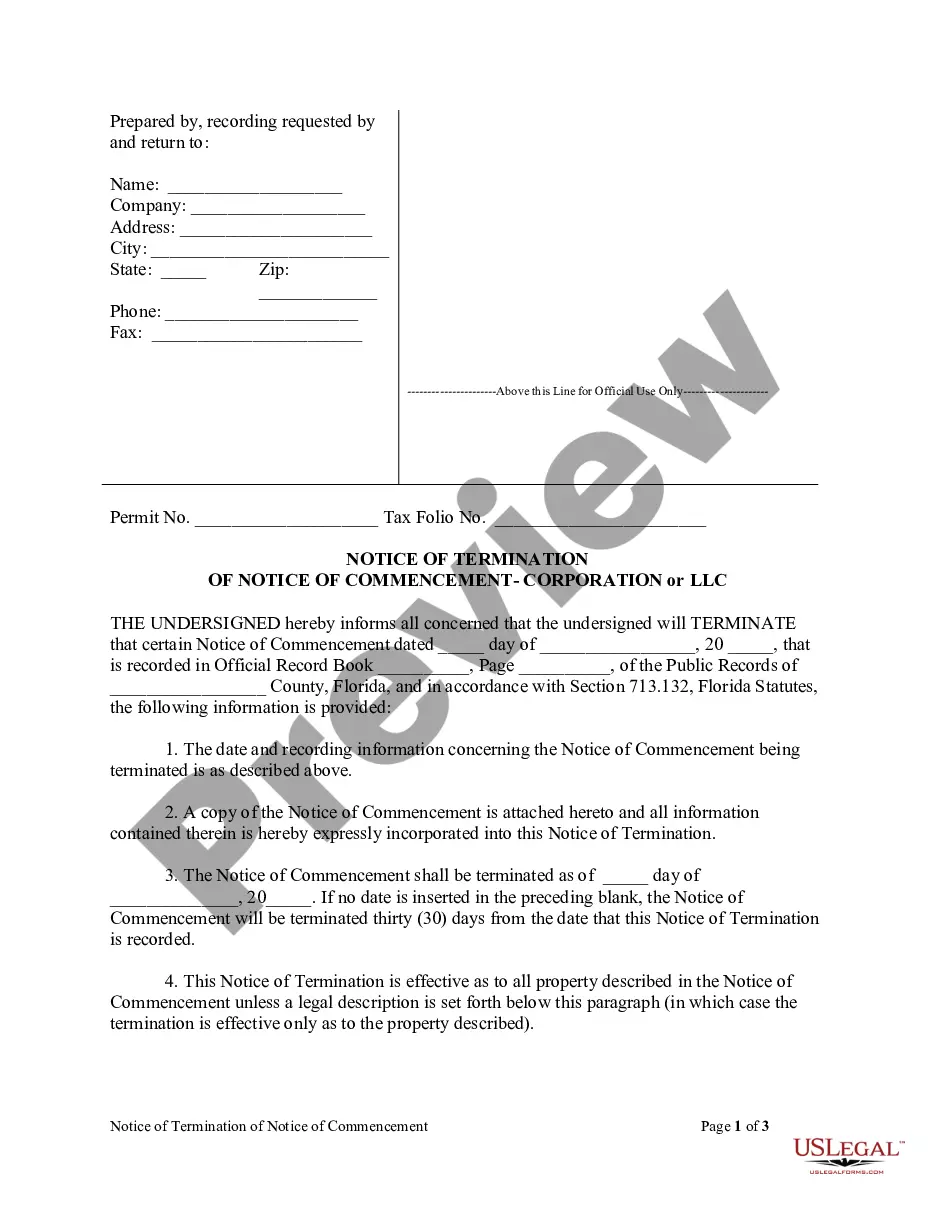




Form popularity
FAQ
In Florida, probate must usually be initiated a short time after death. The will, if there is one, must be filed with the court within 10 days of the death. Even though there is no legal penalty for missing this window, it's very important to file promptly to avoid unnecessary delays in the probate process.
In most cases, if the probate action is uncontested there will be no hearings required. You can file your paperwork by mail, to the attention of our probate division at P.O. Box 4667, West Palm Beach, FL 33402, or electronically via the Florida e-filing portal at .myflcourtaccess.
How do I file my case? Self-represented (pro se) litigants may file petitions or other pleadings or documents in person with the Clerk of Court, by mail, or electronically using the Florida E-Filing Portal. Contact the specific county's Clerk of Court for additional information.
Probate in Palm Beach County can vary based on the circumstances, but generally, formal administration can take 12 to 15 months to complete. Summary administration can take less than a month to complete. However, the probate process can take longer if disputes or other difficulties arise.
If the filer is an attorney the documents should be filed electronically filed through the Florida Courts E-Filing Portal. Pro-Se filers may file court documents in the Probate division.
Under most circumstances, you will need to hire an attorney to assist you in the probate process. First, you will know you have to probate an asset when it is in the decedent's own, individual name. This includes bank accounts, stocks, bonds, land and more.
It takes a minimum of six months, but it generally takes 18 months, and, as in any state, complex and litigated estates can add a year or more to the timeline. In almost all cases, Florida law requires that a licensed attorney administer the estate. With summary administration, probate usually takes one to two months.
For example, in Florida, executors need to follow the 10-day rule. This means that the deceased person's will must be filed within 10 days of their death.
If an asset does not have a named beneficiary or rights of survivorship, it will have to go through probate to change ownership pursuant to the Florida Probate Rules (2024). The most common assets that go through this process are bank accounts, real estate, vehicles, and personal property.
