Sample Letter To Close Trust Account With Bank In North Carolina
Description


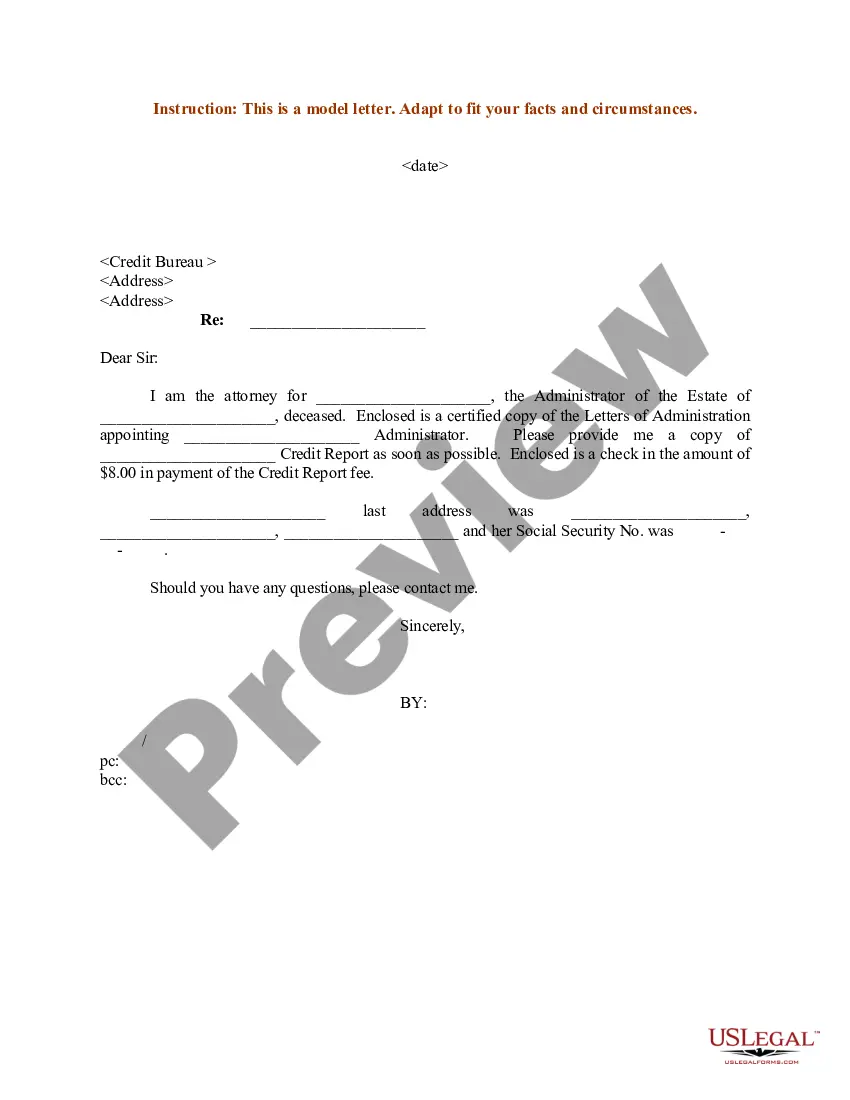

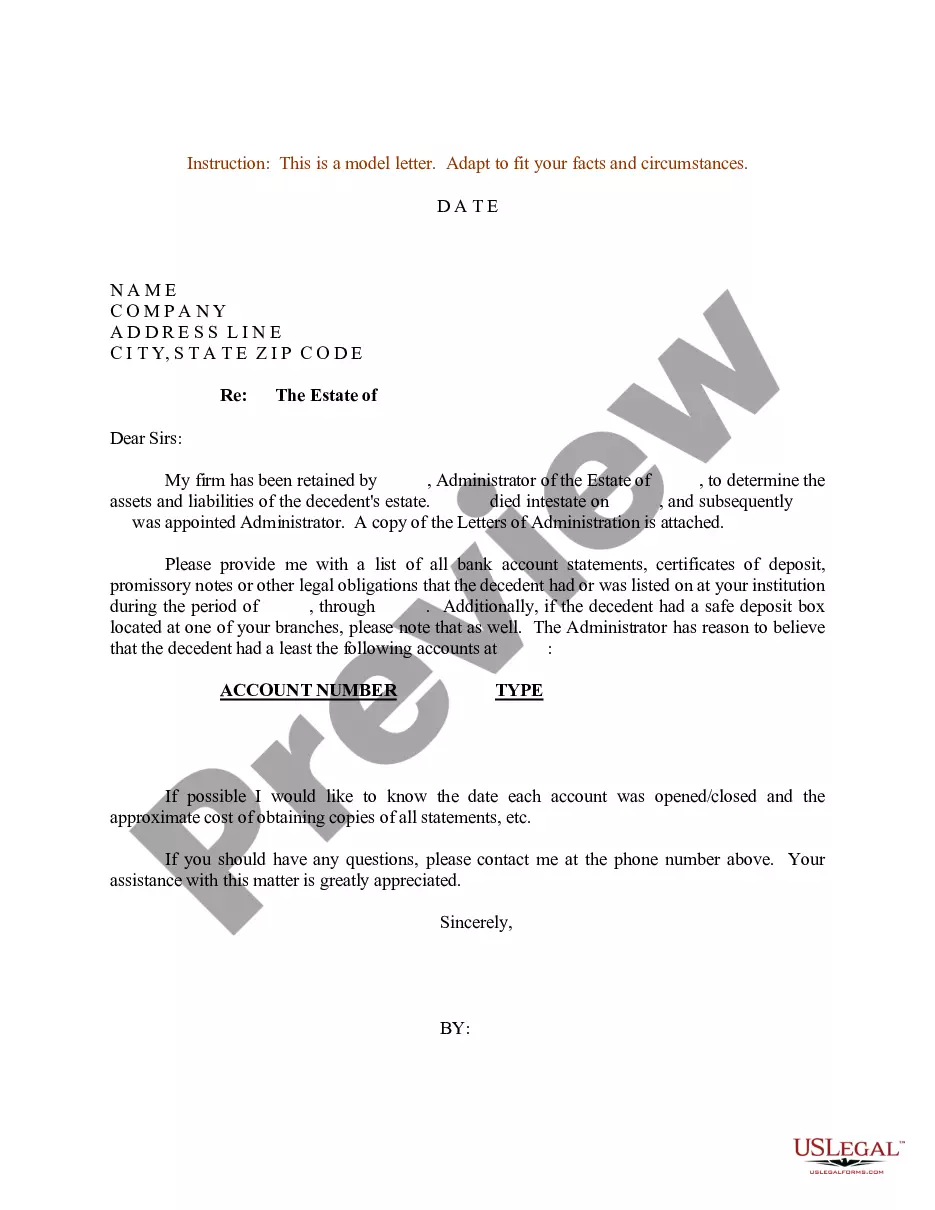
Get your form ready online
Our built-in tools help you complete, sign, share, and store your documents in one place.
Make edits, fill in missing information, and update formatting in US Legal Forms—just like you would in MS Word.
Download a copy, print it, send it by email, or mail it via USPS—whatever works best for your next step.
Sign and collect signatures with our SignNow integration. Send to multiple recipients, set reminders, and more. Go Premium to unlock E-Sign.
If this form requires notarization, complete it online through a secure video call—no need to meet a notary in person or wait for an appointment.
We protect your documents and personal data by following strict security and privacy standards.

Make edits, fill in missing information, and update formatting in US Legal Forms—just like you would in MS Word.

Download a copy, print it, send it by email, or mail it via USPS—whatever works best for your next step.

Sign and collect signatures with our SignNow integration. Send to multiple recipients, set reminders, and more. Go Premium to unlock E-Sign.

If this form requires notarization, complete it online through a secure video call—no need to meet a notary in person or wait for an appointment.

We protect your documents and personal data by following strict security and privacy standards.
Looking for another form?


Form popularity
FAQ
Respected Sir/Madam, I am writing to you with a heavy heart to inform you of the demise of my husband, Mr. Rajeev Singh, who had a savings account in your esteemed bank. It is a difficult time for our family, and I need to settle his financial affairs.
Only the trustee can close the trust account. Check the bank's requirements for closing accounts to see what documentation you need to bring with you, usually personal identification and any papers you received when you first set up the trust account.
How to Create a Trust in North Carolina Step 1: Determine Trust Assets. Step 2: Name a Trustee and Beneficiaries. Step 3: Draft and Sign the Trust Documents. Step 4: Transfer Ownership (Title) to the Trust.
North Carolina law provides for several different methods of terminating trusts, including the following: Termination by Trustee. If a trust has less than $50,000 in assets, the trustee may terminate the trust without getting court approval. Termination With Consent of Beneficiaries. Termination by the Court.
The terms of the Trust must also be put down in writing. Additionally, this document must contain the Trust maker's signature, the signature of two witnesses, and a seal from a notary. A seasoned local attorney could provide more information concerning the requirements for creating a Trust under the Uniform Trust Code.
