Decedent Account Bank Fort Collins In Minnesota
Description


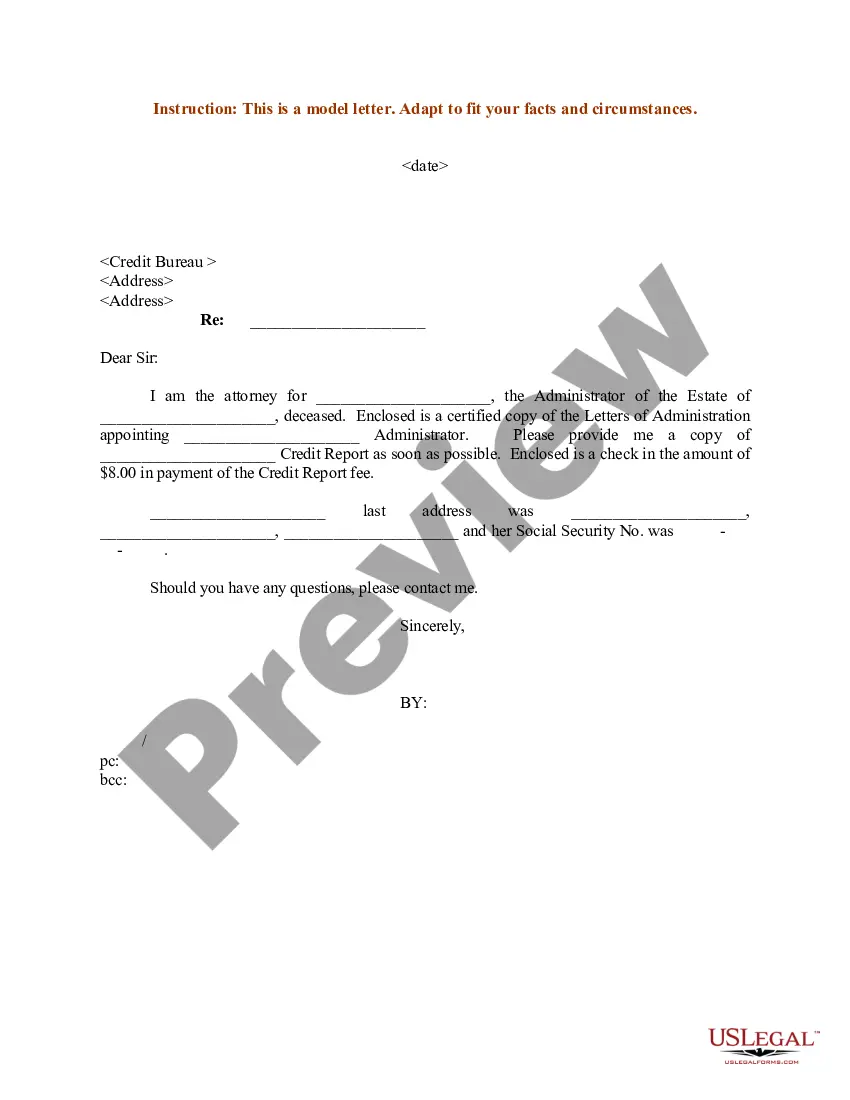

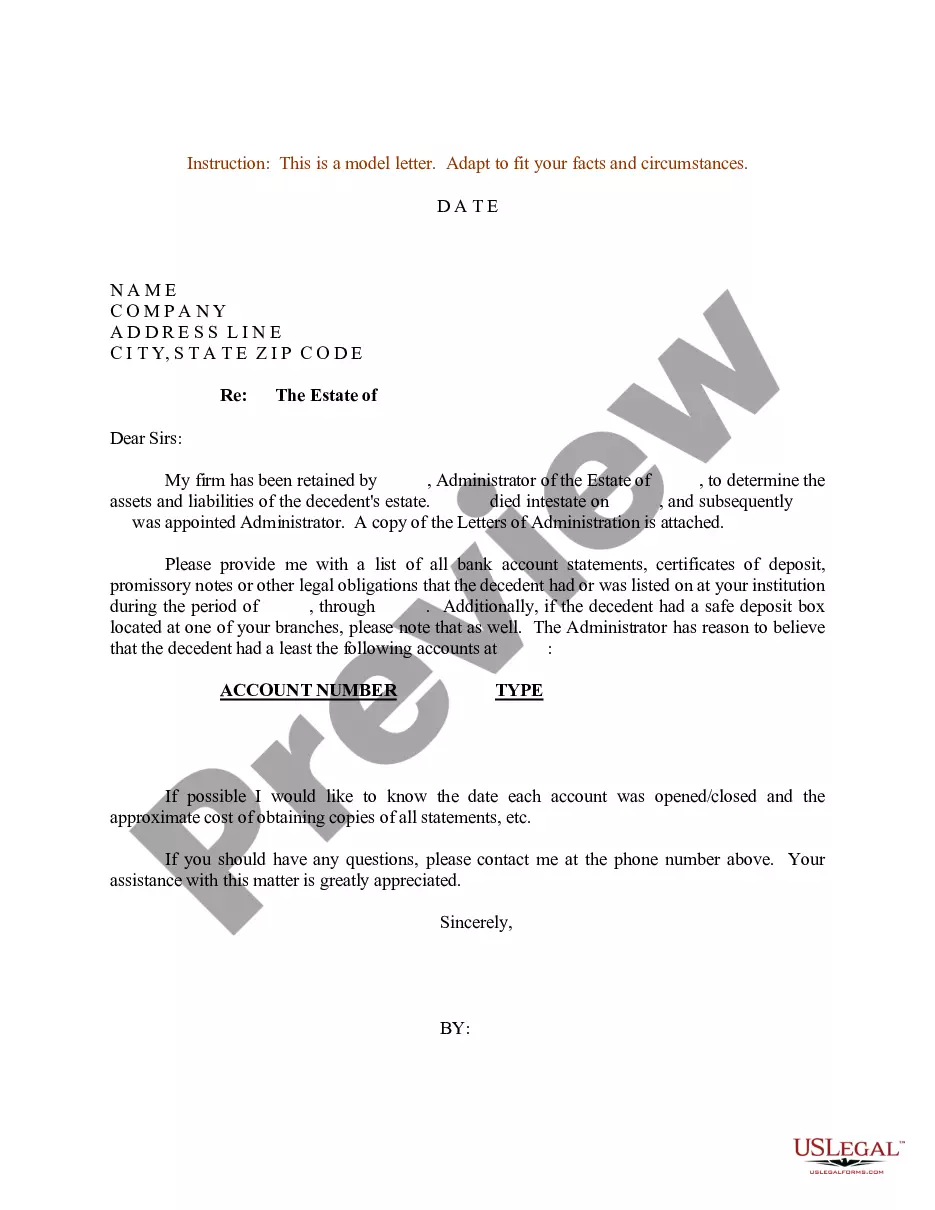
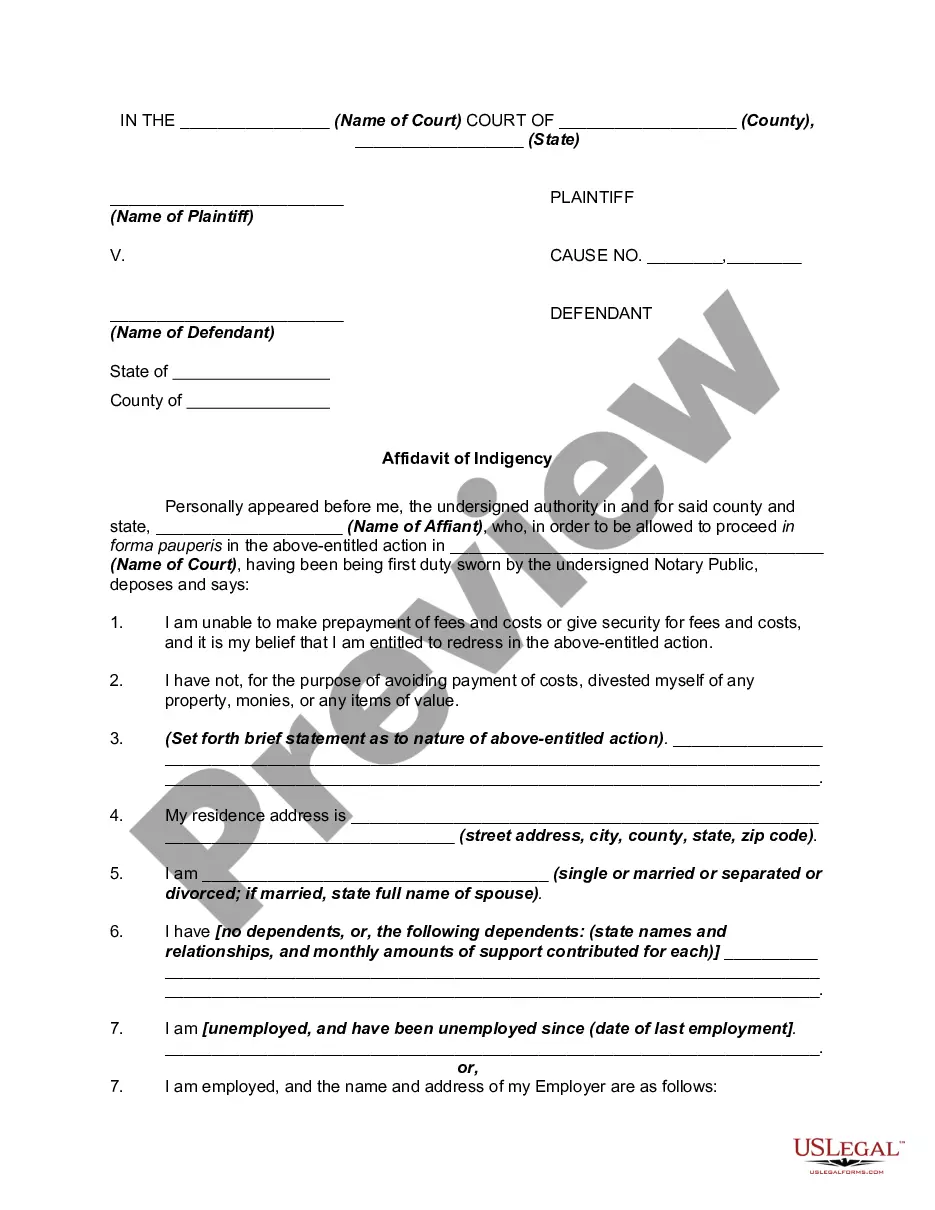
Get your form ready online
Our built-in tools help you complete, sign, share, and store your documents in one place.
Make edits, fill in missing information, and update formatting in US Legal Forms—just like you would in MS Word.
Download a copy, print it, send it by email, or mail it via USPS—whatever works best for your next step.
Sign and collect signatures with our SignNow integration. Send to multiple recipients, set reminders, and more. Go Premium to unlock E-Sign.
If this form requires notarization, complete it online through a secure video call—no need to meet a notary in person or wait for an appointment.
We protect your documents and personal data by following strict security and privacy standards.

Make edits, fill in missing information, and update formatting in US Legal Forms—just like you would in MS Word.

Download a copy, print it, send it by email, or mail it via USPS—whatever works best for your next step.

Sign and collect signatures with our SignNow integration. Send to multiple recipients, set reminders, and more. Go Premium to unlock E-Sign.

If this form requires notarization, complete it online through a secure video call—no need to meet a notary in person or wait for an appointment.

We protect your documents and personal data by following strict security and privacy standards.
Looking for another form?
Form popularity
FAQ
The executor of the estate needs to follow these basic steps. Step 1: Begin the probate process. Step 2: Obtain a tax ID number for the estate account. Step 3: Bring all required documents to the bank. Step 4: Open the estate account.
They generally will need to present to the bank with a certified copy of the decedent's death certificate, their own government-issued ID, and the trust instrument (or a certification of trust) in order for the asset to be released to them, although the documentation needed can vary from bank to bank, so it is best to ...
Who can access and close the deceased's bank account? The executor named in the will can do this, or if no executor has been nominated, the administrator (main beneficiary). They'll contact the bank in question with proof of death to begin the process. The Death Certificate is typically accepted as proof.
How to open an estate account Step 1: Begin the probate process. The steps for beginning this process depend on the state in which the deceased person resided. Step 2: Obtain a tax ID number for the estate account. Step 3: Bring all required documents to the bank. Step 4: Open the estate account.
If your personal property exceeds $75,000 or you own real estate in your name alone, your estate must be probated.
In Minnesota, if a decedent has less than $75,000 of assets and no real estate, they may bypass the probate process. If a trust is involved, there will be a trustee or trustees. The trust must go through an administrative phase, the process for closing out the trust.
Non-Probate Assets bank or brokerage accounts that are held jointly or with a payable-on-death beneficiary designation to a surviving person; investment or retirement accounts or insurance policies that have a designated beneficiary other than the decedent that survives the decedent; or. property held in a trust.
Probate proceedings in Minnesota may be either formal or informal and generally must be initiated within three years after the decedent's death.
If you die without a will in Minnesota, your property is divided ing to the state's intestate laws. Generally, your spouse receives the largest portion or even the entire estate if there are no descendants. If there are descendants, the estate is split among the spouse and children in a manner defined by law.
