Sample Letter To Close Trust Account With Bank In Maricopa
Description


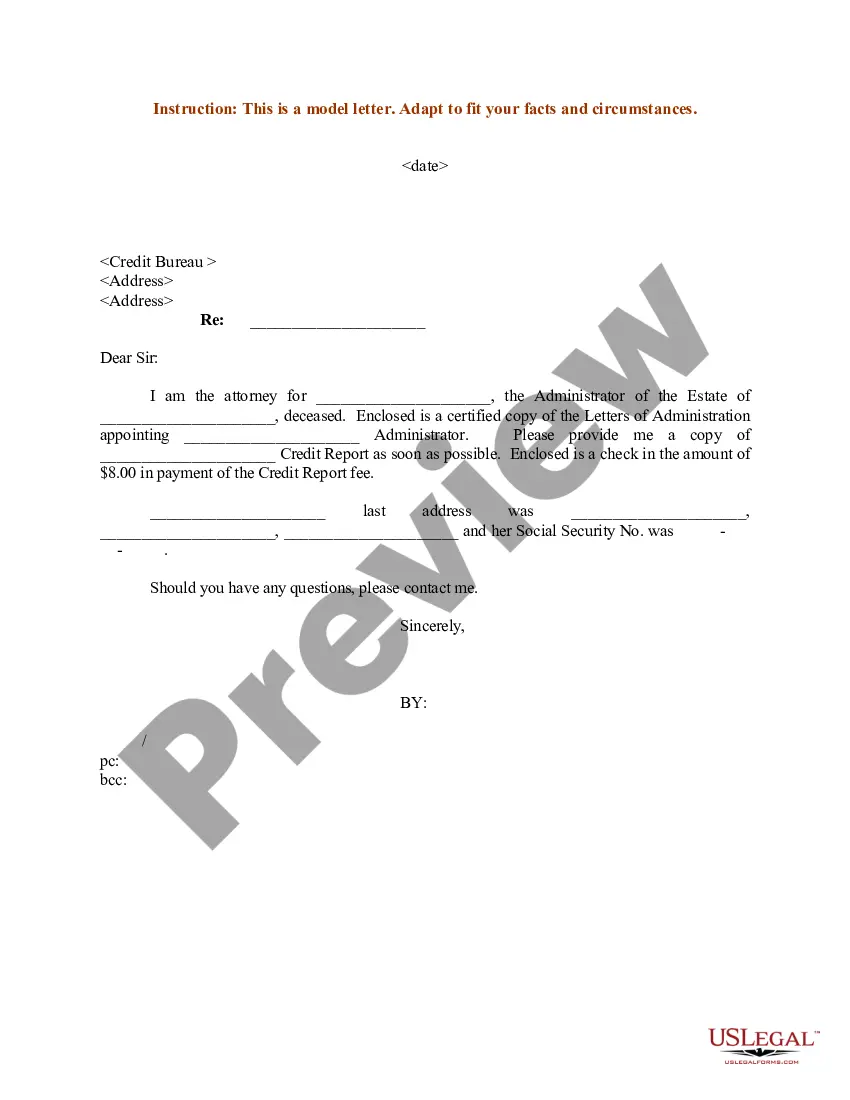

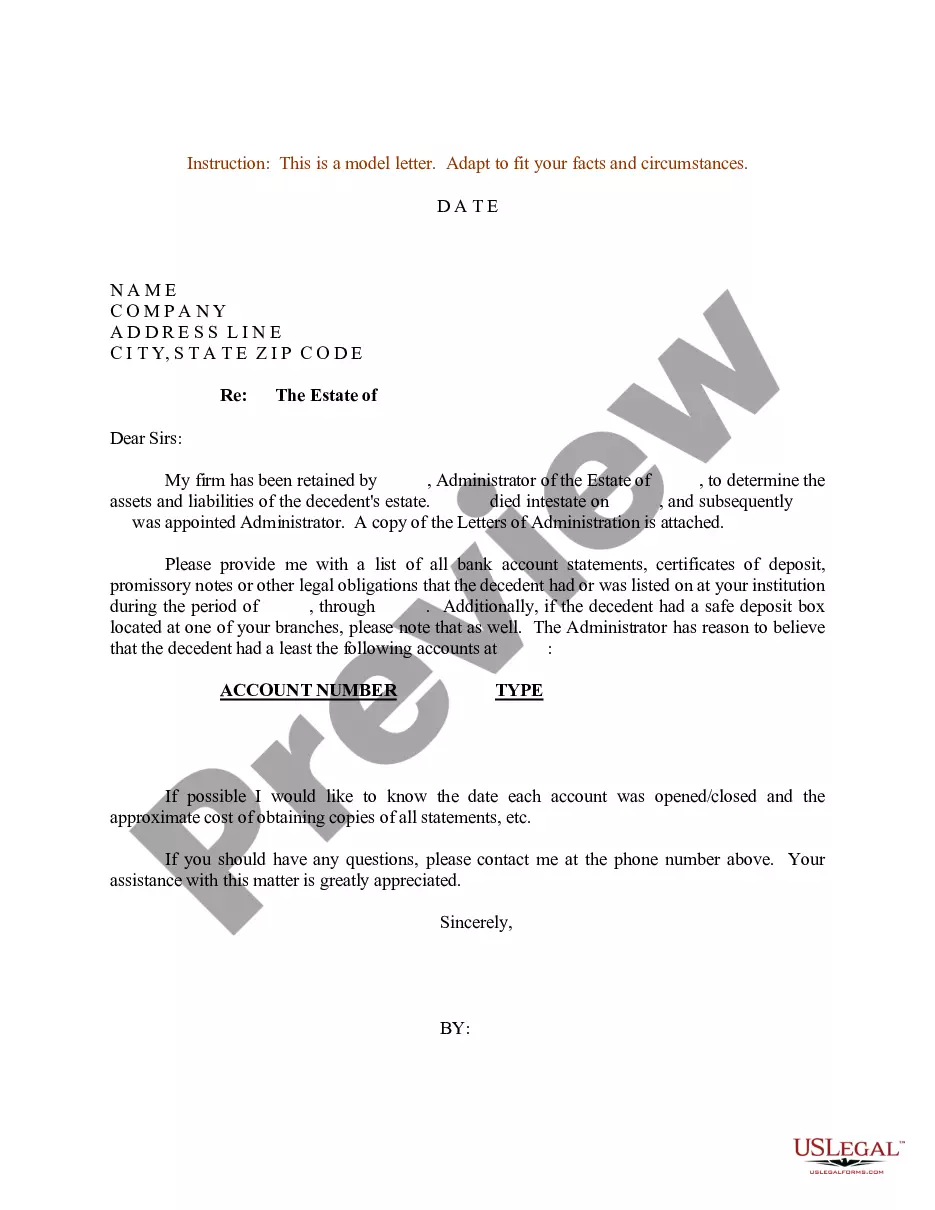
Get your form ready online
Our built-in tools help you complete, sign, share, and store your documents in one place.
Make edits, fill in missing information, and update formatting in US Legal Forms—just like you would in MS Word.
Download a copy, print it, send it by email, or mail it via USPS—whatever works best for your next step.
Sign and collect signatures with our SignNow integration. Send to multiple recipients, set reminders, and more. Go Premium to unlock E-Sign.
If this form requires notarization, complete it online through a secure video call—no need to meet a notary in person or wait for an appointment.
We protect your documents and personal data by following strict security and privacy standards.

Make edits, fill in missing information, and update formatting in US Legal Forms—just like you would in MS Word.

Download a copy, print it, send it by email, or mail it via USPS—whatever works best for your next step.

Sign and collect signatures with our SignNow integration. Send to multiple recipients, set reminders, and more. Go Premium to unlock E-Sign.

If this form requires notarization, complete it online through a secure video call—no need to meet a notary in person or wait for an appointment.

We protect your documents and personal data by following strict security and privacy standards.
Looking for another form?
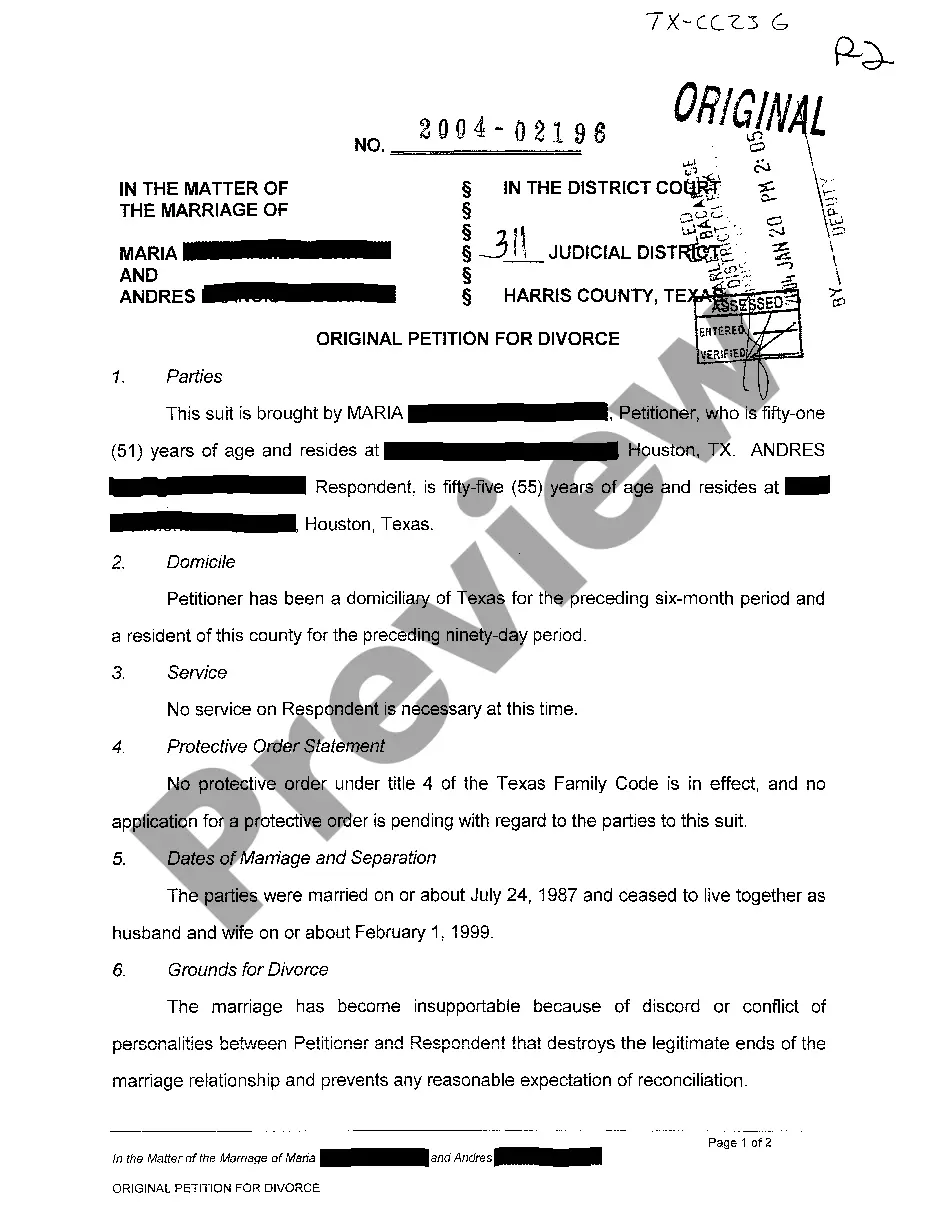



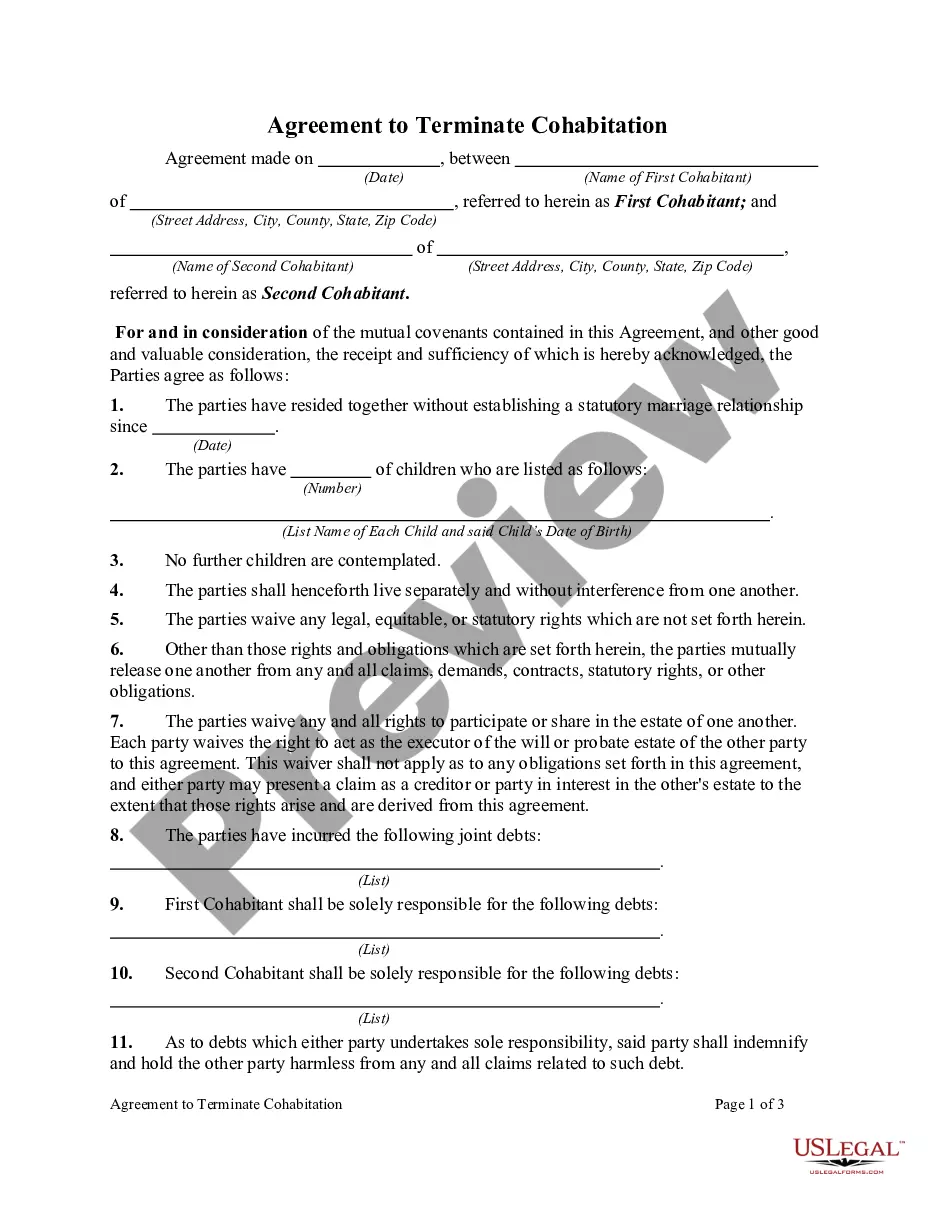





Form popularity
FAQ
If an estate is not properly probated and closed in a timely manner, there may be a number of consequences that can jeopardize the estate: The statute of limitations for creditors' claims is extended. Assets may lose value or be lost altogether. The state may claim the assets.
For uncontested and informal probate cases, you can expect the estate to be settled in six to eight months, assuming the personal representative completes their duties in a timely fashion. However, more complicated estates and those going through formal or supervised probate can take much longer to settle.
The Letter of Authority issued by the Probate Court evidences your appointment as Personal Representative (sometimes referred to as the “PR”) of the estate and empowers you to act on behalf of the estate. Carefully review the Letters of Authority to identify any restrictions that the court may have imposed.
If there are no objections, and the petition is in order, the court closes the estate. Once probate is closed, assets can be divided between the beneficiaries. The personal representative can then apply to be relieved of their duties. At this point, they're no longer personally responsible for the estate.
