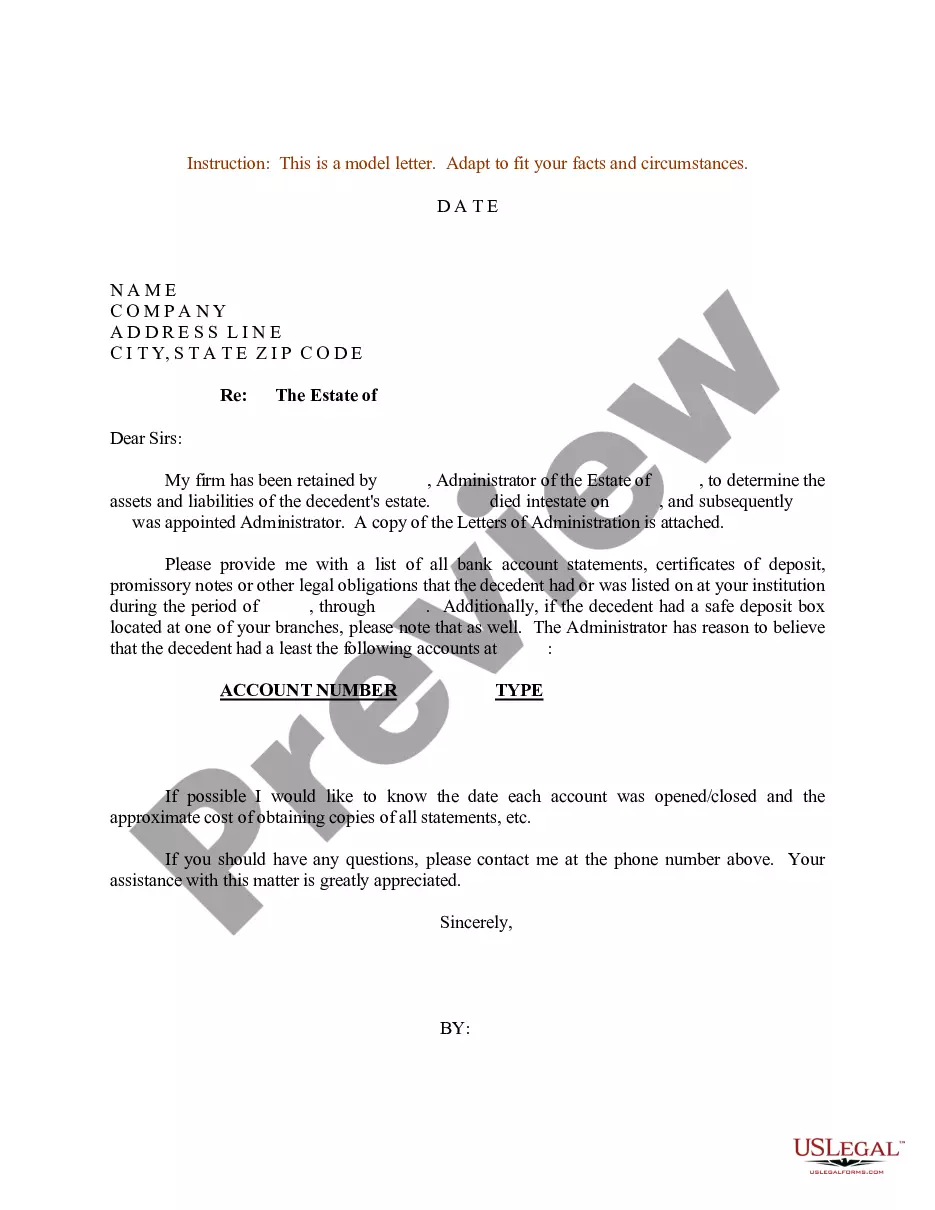
Letter To Close Account After Death With Credit Card In Maricopa
Description




Get your form ready online
Our built-in tools help you complete, sign, share, and store your documents in one place.
Make edits, fill in missing information, and update formatting in US Legal Forms—just like you would in MS Word.
Download a copy, print it, send it by email, or mail it via USPS—whatever works best for your next step.
Sign and collect signatures with our SignNow integration. Send to multiple recipients, set reminders, and more. Go Premium to unlock E-Sign.
If this form requires notarization, complete it online through a secure video call—no need to meet a notary in person or wait for an appointment.
We protect your documents and personal data by following strict security and privacy standards.

Make edits, fill in missing information, and update formatting in US Legal Forms—just like you would in MS Word.

Download a copy, print it, send it by email, or mail it via USPS—whatever works best for your next step.

Sign and collect signatures with our SignNow integration. Send to multiple recipients, set reminders, and more. Go Premium to unlock E-Sign.

If this form requires notarization, complete it online through a secure video call—no need to meet a notary in person or wait for an appointment.

We protect your documents and personal data by following strict security and privacy standards.
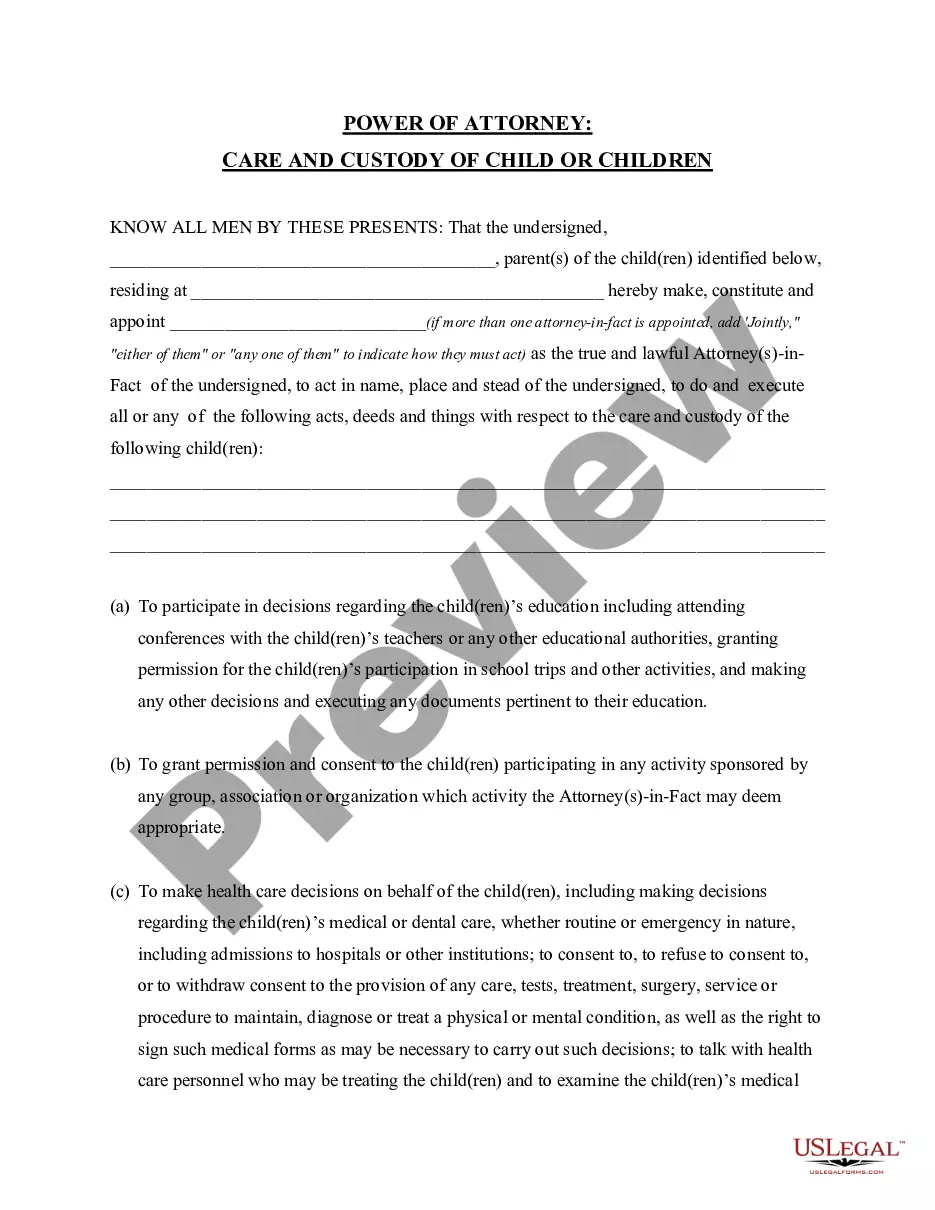
Looking for another form?






Form popularity
FAQ
An overview of this process is explained below. For the court to approve the informal probate process, the will must, among other things, be valid, as determined by the court (Title 14-3303), and uncontested. Formal probate generally occurs if there is no will for an estate or when someone contests the will.
Informal probate is a streamlined version of the probate process that involves less court supervision and simpler administrative procedures. It is designed for straightforward estates where there are no disputes among heirs or creditors and where the validity of the will is not in question.
Informal probate is the process of submitting the paperwork to the probate court registrar who may appoint the personal representative and admit a will to probate or that the person died intestate (without a will). All without a court hearing before a judge. But informal probate is not available in all cases.
On average, probate in Arizona takes between six months to a year for an uncontested estate. If complications arise, such as disputes over the will or difficulty locating beneficiaries, the process can extend beyond 12 months. The executor files a petition to open probate with the Arizona probate court.
In Arizona, probate is always required for wills and assets that aren't in a trust or included in a transfer-on-death deed. Probate is also required for large estates consisting of personal property valued at over $75,000 and real estate property valued at over $100,000.
Deed of Distribution: The DEED OF DISTRIBUTION must be used to transfer any real estate/real property. After all claims have been settled and you are ready to transfer the property to someone, you need to fill out the DEED OF DISTRIBUTION and record it with the County Recorder.
Until termination of his appointment a personal representative has the same power over the title to property of the estate that an absolute owner would have, in trust however, for the benefit of the creditors and others interested in the estate. This power may be exercised without notice, hearing or order of court.
For example, the personal representative has the power to acquire or dispose of an asset and sell, mortgage, or lease any real or personal property of the estate .
In Arizona, the timeline for wrapping up a probate has no strict deadline for executors. Ideally, the recommended start date is around 60 days after the individual's passing and done within a reasonable timeframe.
A personal representative is under a duty to settle and distribute the estate of the decedent in ance with the terms of any probated and effective will and this title, and as expeditiously and efficiently as is consistent with the best interests of the estate.
