Letter To Close Deceased Bank Account
Description
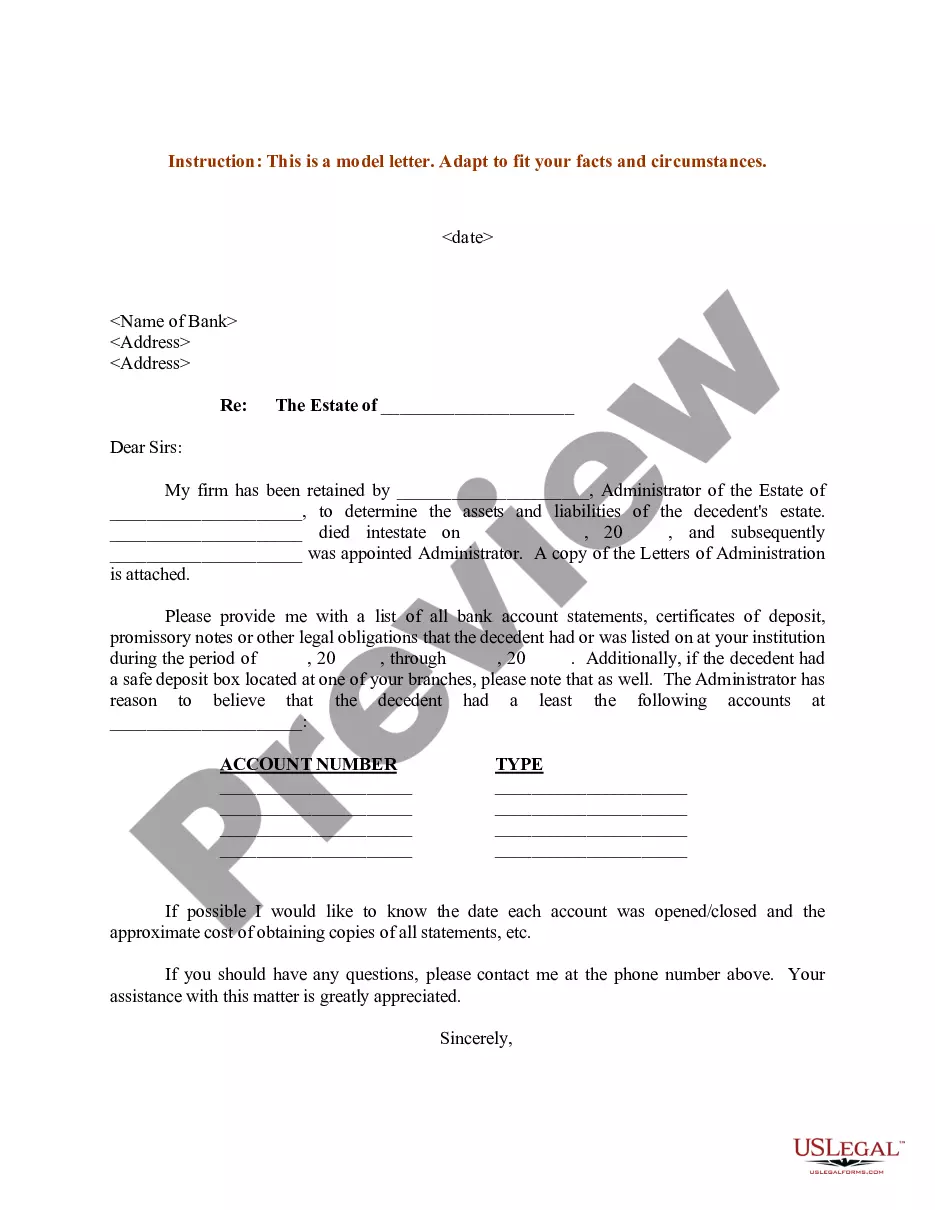

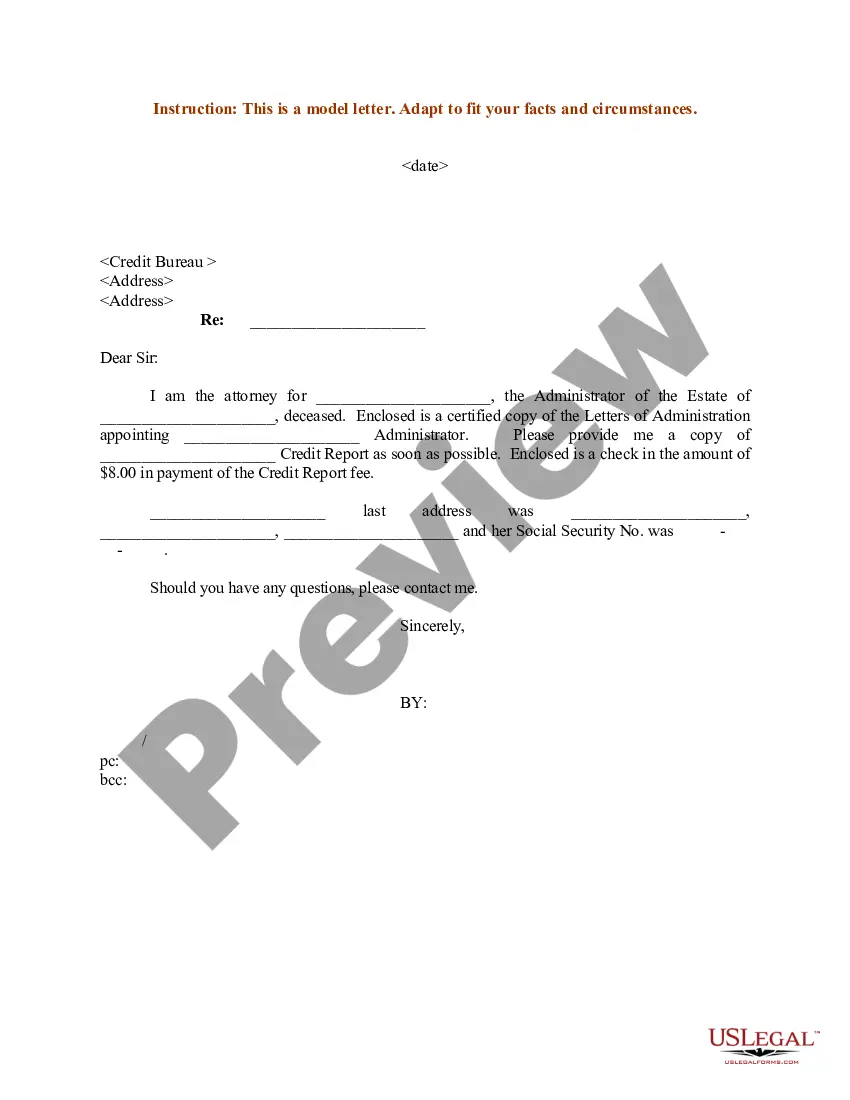
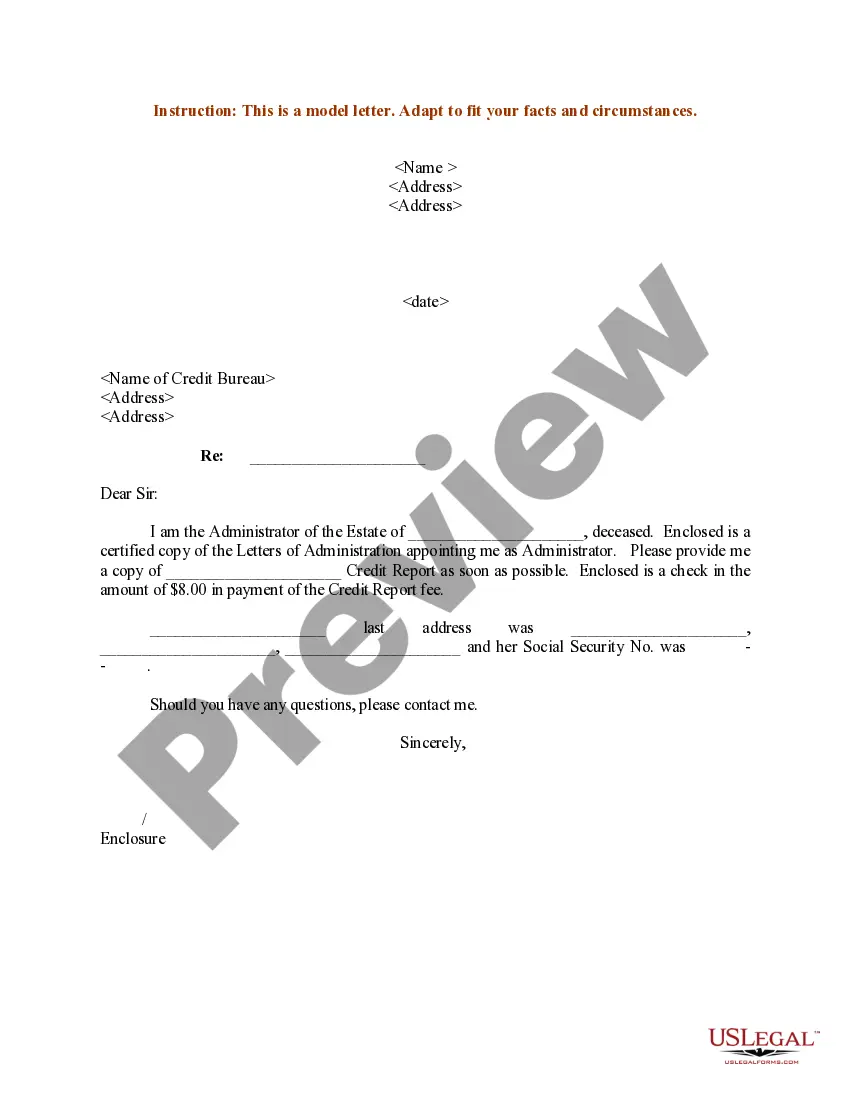
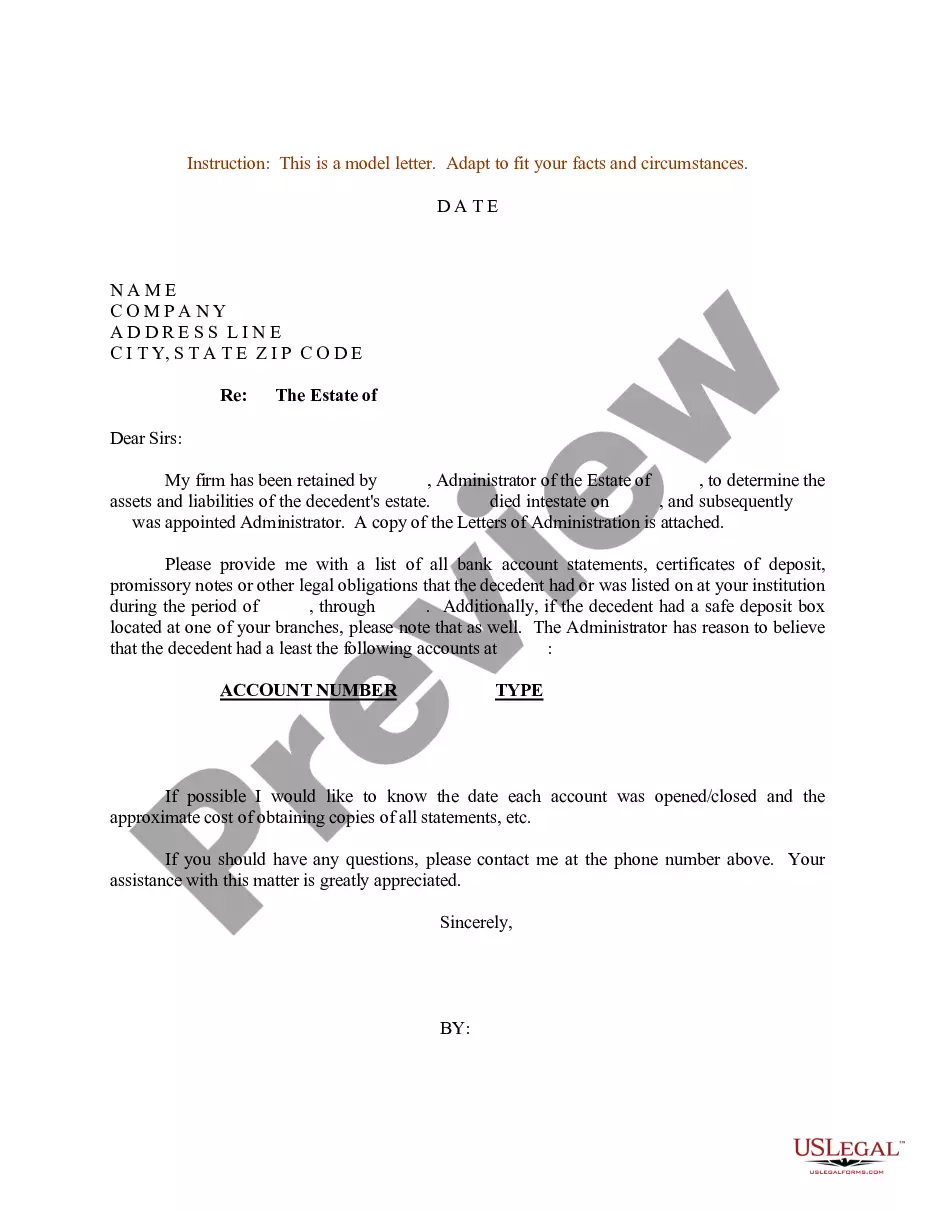
Get your form ready online
Our built-in tools help you complete, sign, share, and store your documents in one place.
Make edits, fill in missing information, and update formatting in US Legal Forms—just like you would in MS Word.
Download a copy, print it, send it by email, or mail it via USPS—whatever works best for your next step.
Sign and collect signatures with our SignNow integration. Send to multiple recipients, set reminders, and more. Go Premium to unlock E-Sign.
If this form requires notarization, complete it online through a secure video call—no need to meet a notary in person or wait for an appointment.
We protect your documents and personal data by following strict security and privacy standards.

Make edits, fill in missing information, and update formatting in US Legal Forms—just like you would in MS Word.

Download a copy, print it, send it by email, or mail it via USPS—whatever works best for your next step.

Sign and collect signatures with our SignNow integration. Send to multiple recipients, set reminders, and more. Go Premium to unlock E-Sign.

If this form requires notarization, complete it online through a secure video call—no need to meet a notary in person or wait for an appointment.

We protect your documents and personal data by following strict security and privacy standards.
Looking for another form?
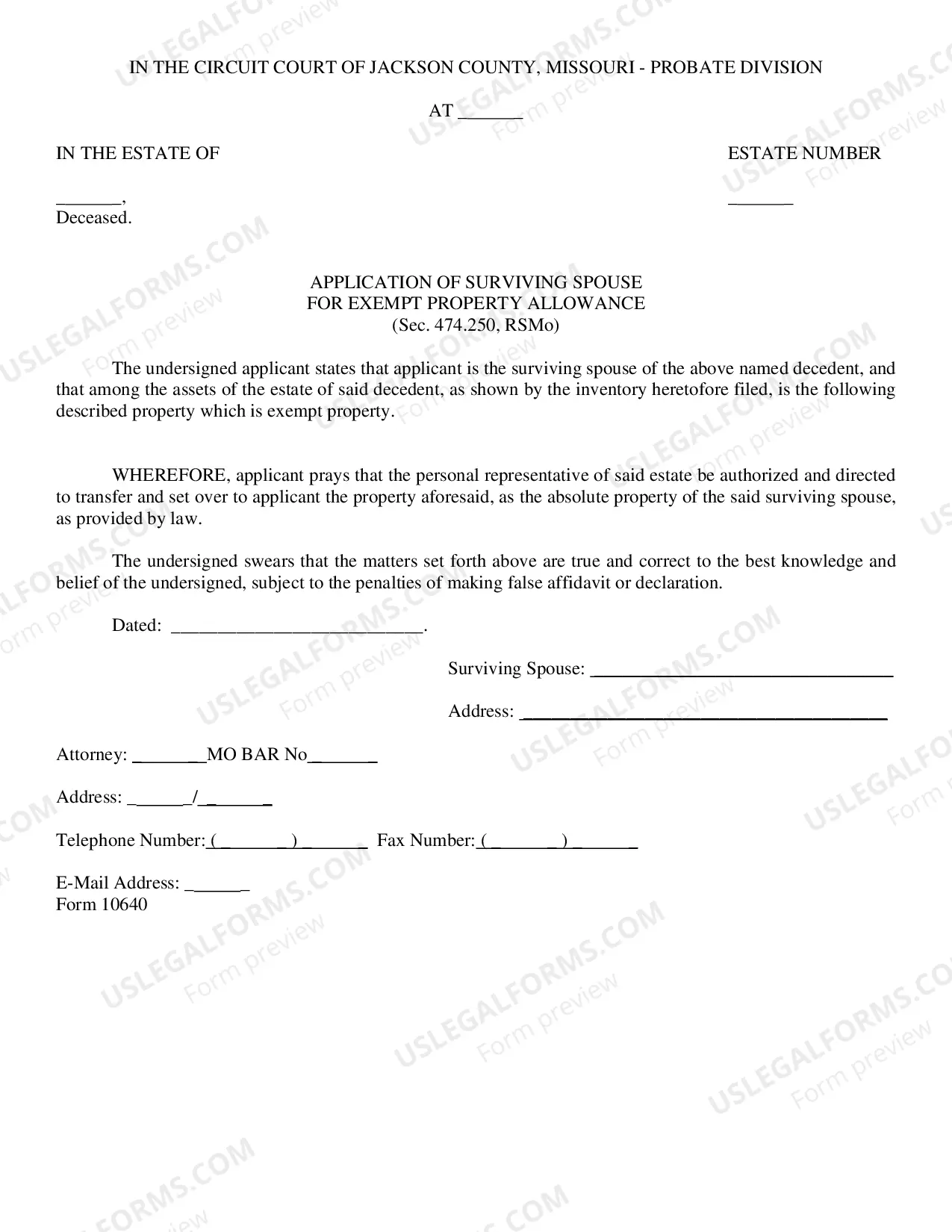
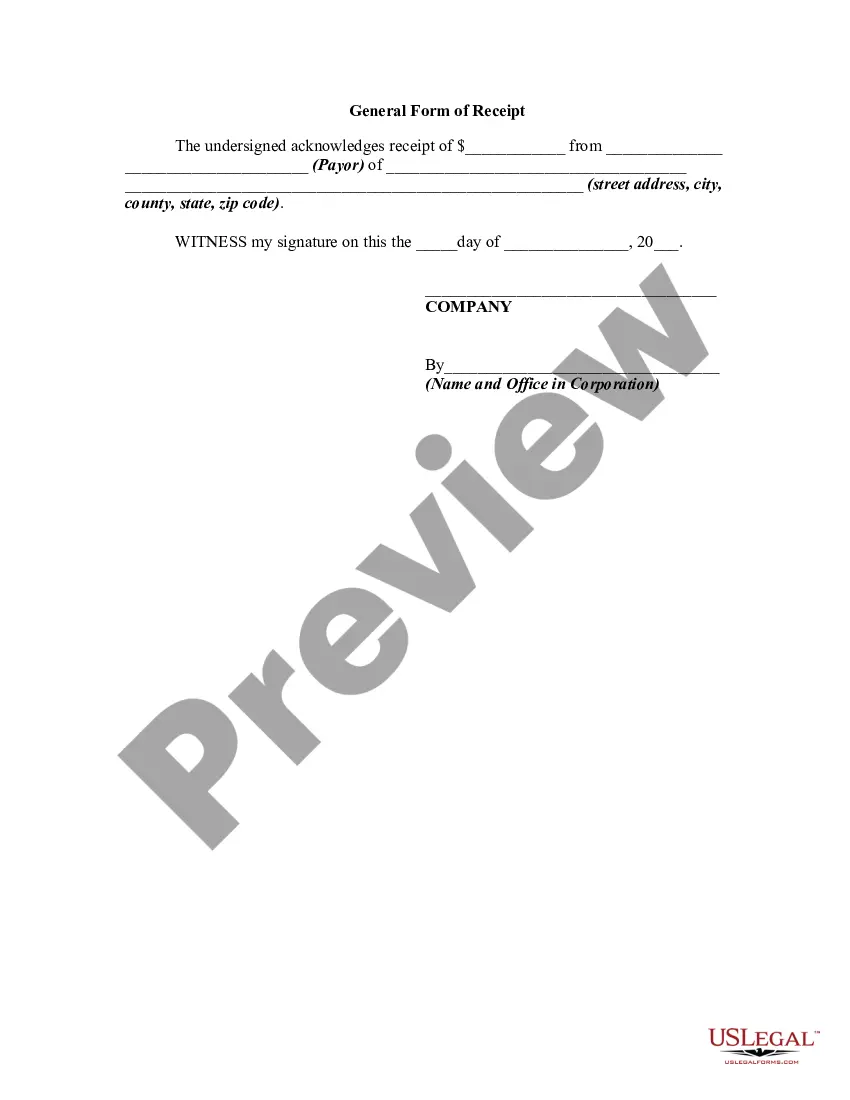
How to fill out Sample Letter To Bank Concerning Accounts Of Decedent?
Obtaining legal documents that adhere to federal and state regulations is essential, and the web presents numerous alternatives to choose from.
However, why invest time searching for the suitable Letter To Close Deceased Bank Account example online when the US Legal Forms digital repository already houses such documents in one location.
US Legal Forms is the premier online legal database featuring more than 85,000 editable templates created by lawyers for any business and personal situation. The forms are easy to navigate, with all documents categorized by state and intended use. Our team stays updated on legal changes, ensuring that your forms remain current and compliant when requesting a Letter To Close Deceased Bank Account from our platform.
Press Buy Now once you have found the appropriate form, and choose a subscription plan. Create an account or Log In, and proceed with payment using PayPal or a credit card. Select the correct format for your Letter To Close Deceased Bank Account and proceed with the download. All documents available through US Legal Forms can be reused. To redownload and fill out previously saved forms, navigate to the My documents section in your account. Experience the most comprehensive and user-friendly legal paperwork service!
- Obtaining a Letter To Close Deceased Bank Account is straightforward and prompt for both existing and new clients.
- If you already possess an account with an active subscription, Log In and download the required document sample in your preferred format.
- If you are visiting our site for the first time, follow the steps outlined below.
- Review the template using the Preview function or via the text summary to ensure it fulfills your needs.
- Search for an alternative sample utilizing the search tool located at the top of the page if necessary.
Form popularity
FAQ
To close out a bank account of a deceased person, first gather required documents such as the death certificate, your identification, and any legal authority documents. Then, visit the bank in person or write a formal letter to initiate the process. Using a professional service like US Legal Forms can provide templates and detailed guidance to ensure your letter to close the deceased bank account is effective and complete.
Writing a letter to close an account for a deceased person involves a few key components. Begin with a clear subject line and directly state your intention to close the account. Include vital details like the deceased's full name, account number, your relationship to them, and a request for the bank to take necessary actions based on the attached death certificate.
To close a bank account for a deceased person, you need to contact the bank directly and provide required documentation. Provide the death certificate, identification, and any legal documents that clarify your authority. Generally, a simple visit to the bank with these items can lead to a prompt resolution and help you close the account efficiently.
When closing a bank account after someone's death, you will typically need a death certificate, proof of your identity, and legal documents that verify your role, such as a will or a court order. These documents help the bank confirm your authority to process the closure. Make sure to gather all necessary papers to expedite the closing process.
To write a letter to close a deceased bank account, start by addressing the bank branch directly. Include the deceased person's full name, account number, and your relationship to them. Clearly state your request to close the account and mention any relevant documentation you are including, such as a death certificate. A well-structured letter ensures a smoother process for closing the account.
Banks do not automatically close accounts after a person dies. However, once notified, they may restrict access to the funds. To ensure proper closure, it is beneficial to submit a formal letter to close a deceased bank account, along with any required documentation, facilitating a seamless transition in managing the deceased’s financial affairs.
To close a deceased bank account, you will typically need several documents, including the death certificate and proof of your authority to act, such as a will or court order. Additionally, a letter to close a deceased bank account can provide clarity in your request. Gathering these documents in advance can make the process smoother and help avoid delays.
Yes, it is generally advisable to close bank accounts after a person passes away. This helps prevent unauthorized access to funds and allows for the proper handling of the deceased's estate. A well-crafted letter to close a deceased bank account can ensure that the process is conducted properly and efficiently, reducing any potential complications.
A bank account typically stays open for a short period after the account holder's death, often around 30 days. This allows time to process any transactions or inquiries. However, once the bank is notified of the death, they may freeze the account temporarily, making it crucial to submit a letter to close a deceased bank account to settle matters swiftly.
If you do not close the bank account of a deceased person, the account may accumulate fees or become inactive, which could complicate the estate settlement. Additionally, any remaining funds may freeze, preventing access by heirs or executors. It is vital to handle these accounts promptly, making a letter to close a deceased bank account essential for managing the estate effectively.