Decedent Account Bank For Taxes In Georgia
Description


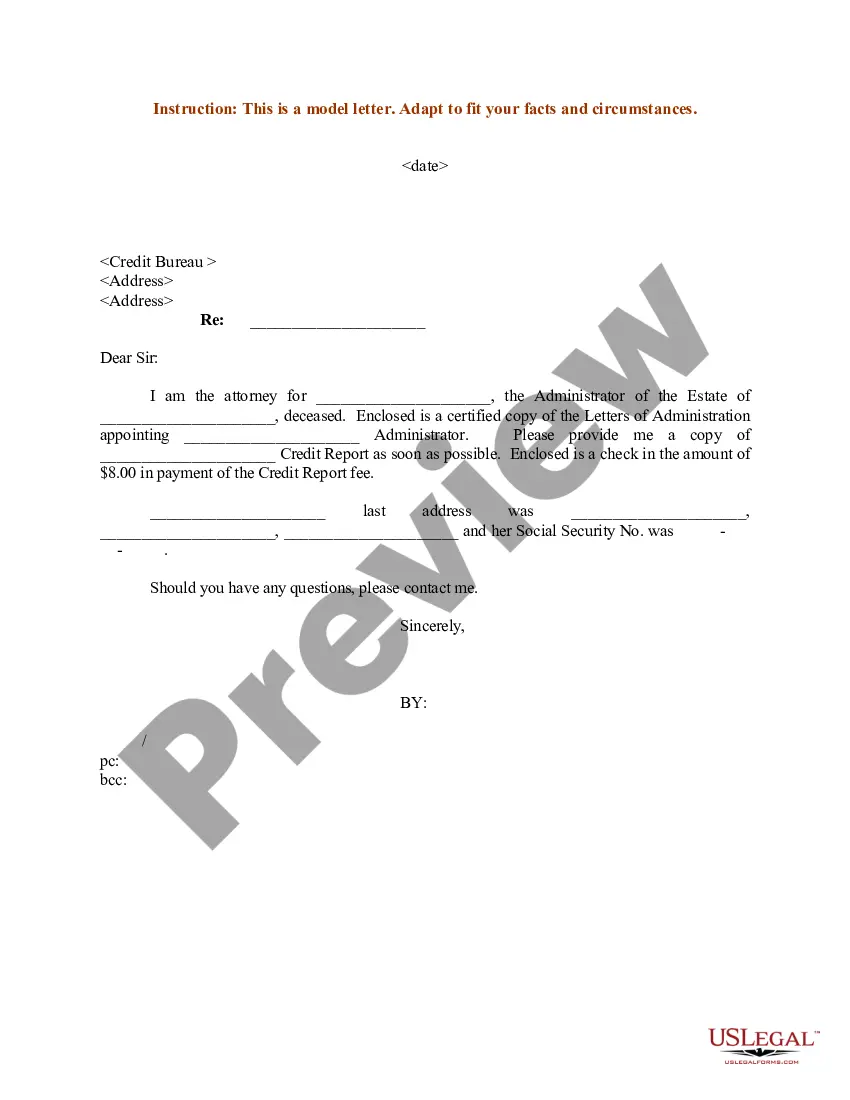

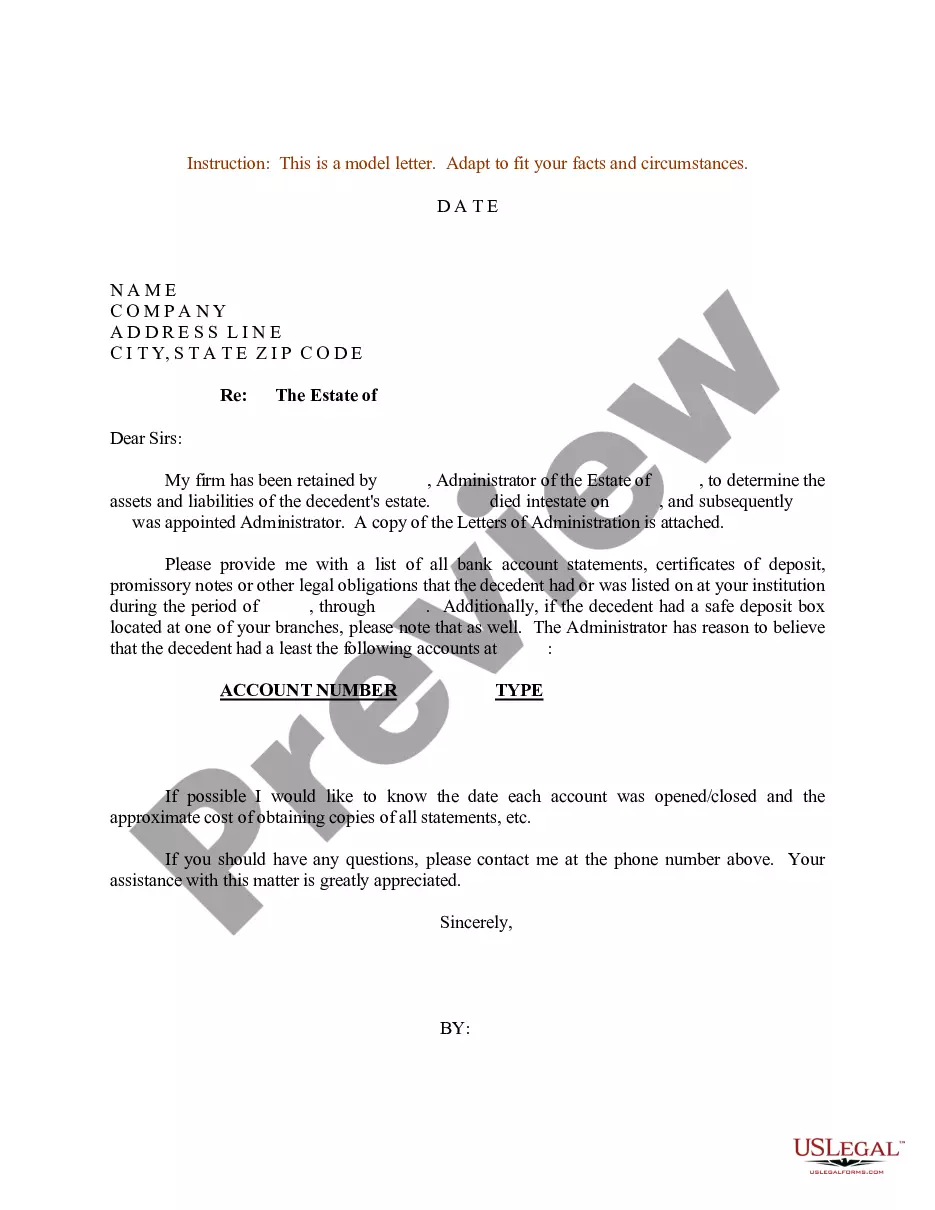
Get your form ready online
Our built-in tools help you complete, sign, share, and store your documents in one place.
Make edits, fill in missing information, and update formatting in US Legal Forms—just like you would in MS Word.
Download a copy, print it, send it by email, or mail it via USPS—whatever works best for your next step.
Sign and collect signatures with our SignNow integration. Send to multiple recipients, set reminders, and more. Go Premium to unlock E-Sign.
If this form requires notarization, complete it online through a secure video call—no need to meet a notary in person or wait for an appointment.
We protect your documents and personal data by following strict security and privacy standards.

Make edits, fill in missing information, and update formatting in US Legal Forms—just like you would in MS Word.

Download a copy, print it, send it by email, or mail it via USPS—whatever works best for your next step.

Sign and collect signatures with our SignNow integration. Send to multiple recipients, set reminders, and more. Go Premium to unlock E-Sign.

If this form requires notarization, complete it online through a secure video call—no need to meet a notary in person or wait for an appointment.

We protect your documents and personal data by following strict security and privacy standards.
Looking for another form?
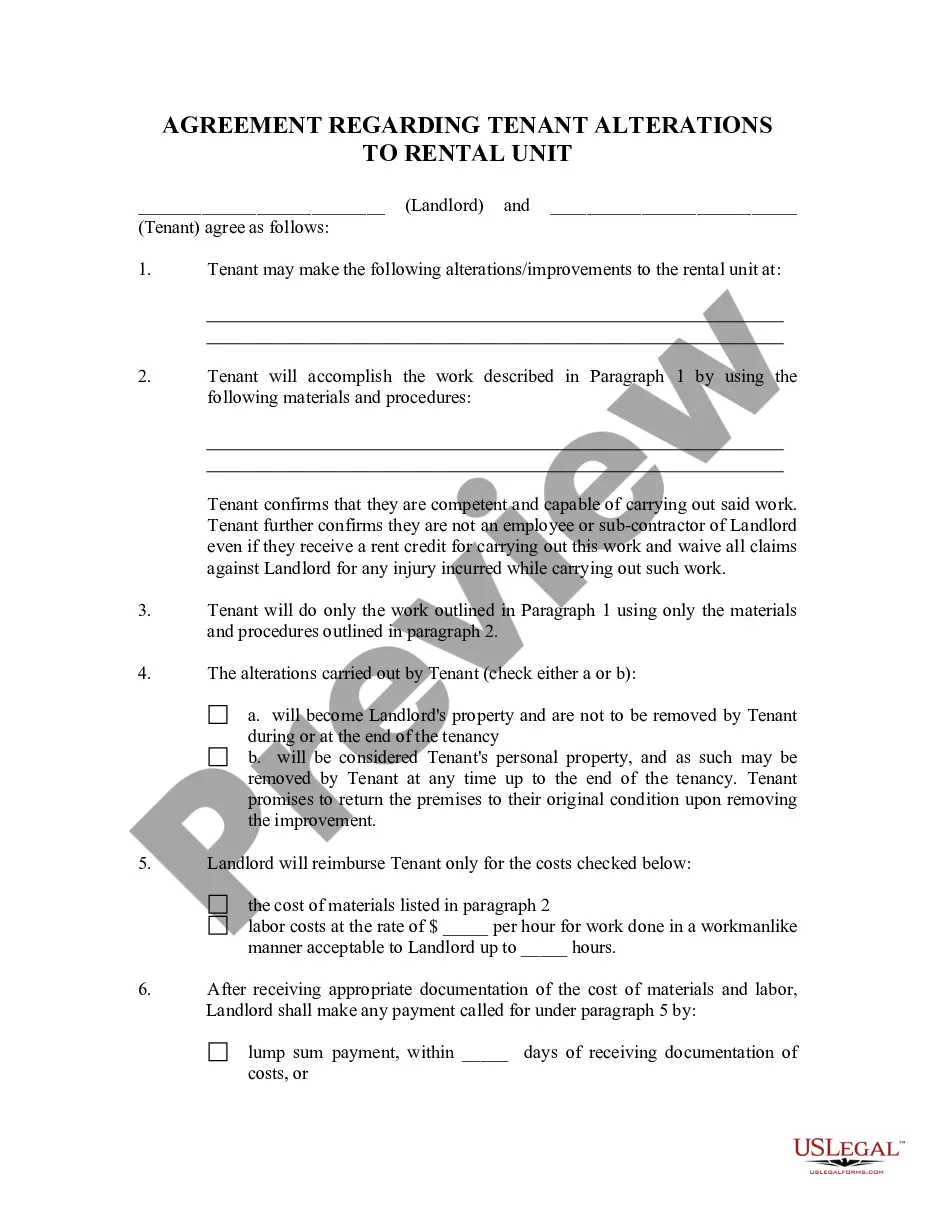
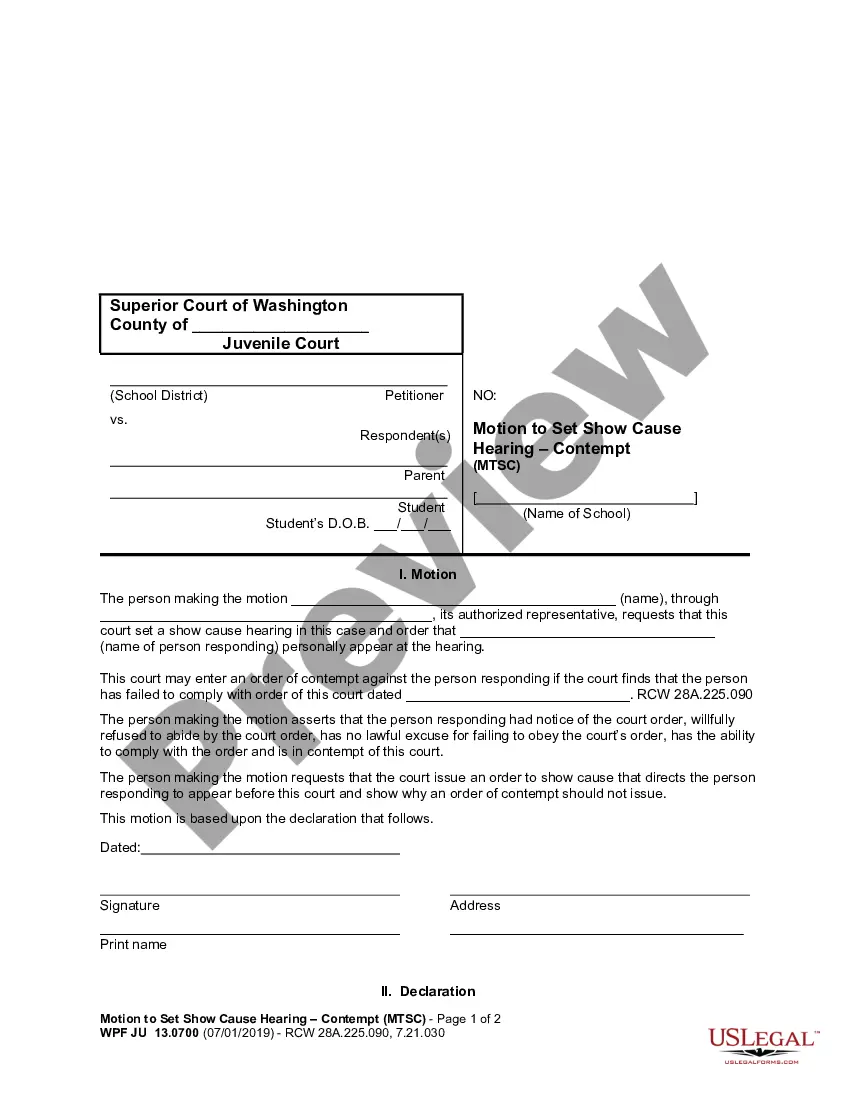
Form popularity
FAQ
In general, file and prepare the final individual income tax return of a deceased person the same way you would if the person were alive. Report all income up to the date of death and claim all eligible credits and deductions.
How Long to Keep Tax Returns After Death of a Loved One? We generally recommend that you keep tax records for seven years after the passing of a loved one. The Internal Revenue Service can audit your loved ones for up to three years after their death. This is called a statute of limitations.
Assets that have a named beneficiary. Many times you can name a beneficiary on a bank account, retirement account, or life insurance policy. These assets do not need to go through probate before they are distributed.
If a refund is due on the individual income tax return of the deceased, claim the refund by submitting Form 1310, Statement of a Person Claiming Refund Due a Deceased Taxpayer.
If filing a paper return, write the word “deceased,” along with the decedent's name, and date of death, at the top of the 1040 or 1040-SR. If you are using tax preparation software, the software will do this automatically for you once you mark that the spouse is deceased and enter the date of your spouse's death.
The IRS doesn't need a copy of the death certificate or other proof of death.