Bank Statement With Proof Of Address In Cook
Description




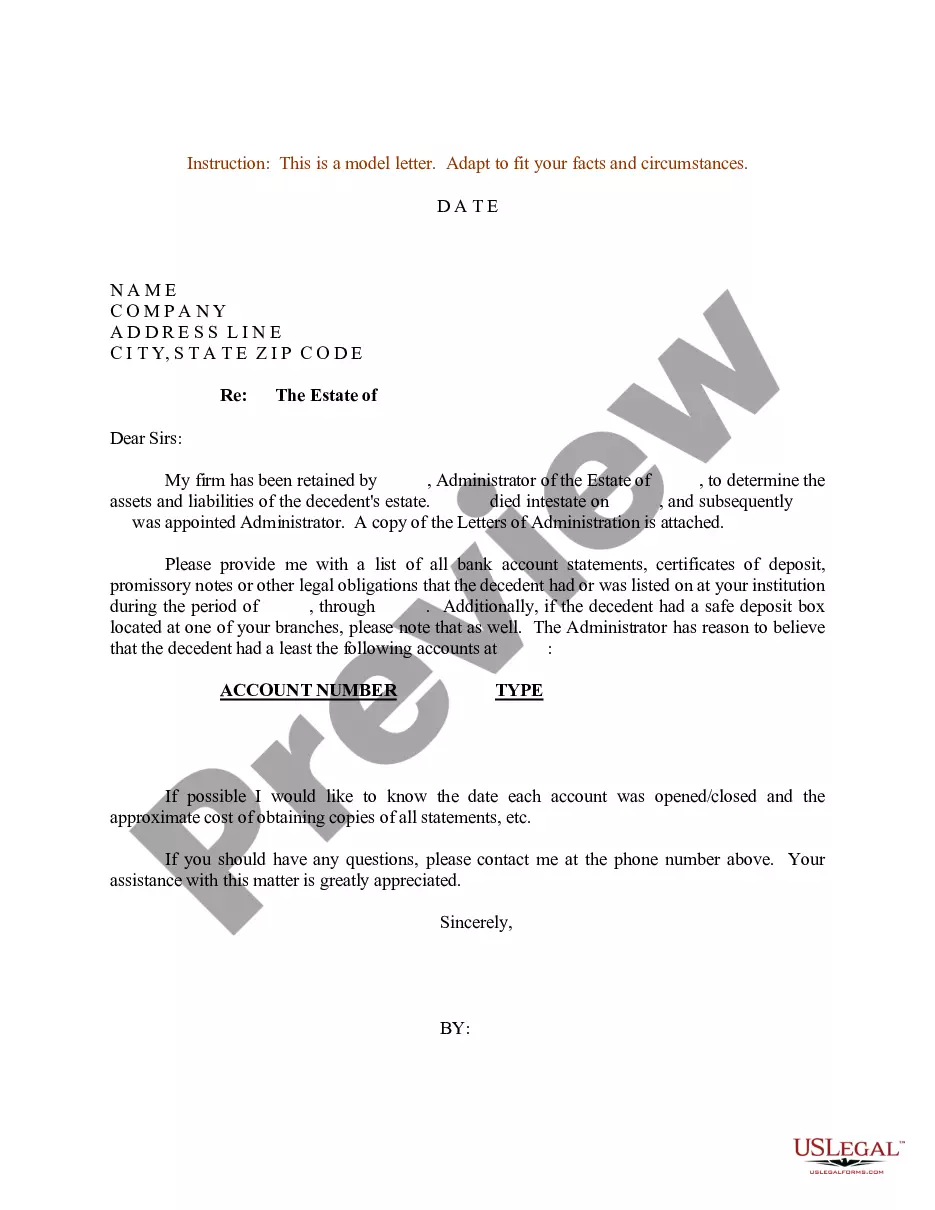
Get your form ready online
Our built-in tools help you complete, sign, share, and store your documents in one place.
Make edits, fill in missing information, and update formatting in US Legal Forms—just like you would in MS Word.
Download a copy, print it, send it by email, or mail it via USPS—whatever works best for your next step.
Sign and collect signatures with our SignNow integration. Send to multiple recipients, set reminders, and more. Go Premium to unlock E-Sign.
If this form requires notarization, complete it online through a secure video call—no need to meet a notary in person or wait for an appointment.
We protect your documents and personal data by following strict security and privacy standards.

Make edits, fill in missing information, and update formatting in US Legal Forms—just like you would in MS Word.

Download a copy, print it, send it by email, or mail it via USPS—whatever works best for your next step.

Sign and collect signatures with our SignNow integration. Send to multiple recipients, set reminders, and more. Go Premium to unlock E-Sign.

If this form requires notarization, complete it online through a secure video call—no need to meet a notary in person or wait for an appointment.

We protect your documents and personal data by following strict security and privacy standards.
Looking for another form?

Form popularity
FAQ
Your bank might not send you paper statements each month, but the chances are good that you can now get a PDF statement through online banking. Do that, print it off, and hey presto – you've got your proof of address. Before doing this, however, it's worth checking that a printout will be accepted.
Some of the most common examples that count as valid proof of address are: Bank statements. Utility bills for gas, electricity, water, internet, etc. Letters from a recognized public authority or public servant/any government-issued correspondence.
What documents can I use for my proof of address? Tenancy contract or agreement; we need to see the full copy, including signatures of both parties. Bank statement. Local authority tax bill. Driving license with address on it. Utility bill (e.g. electricity, water, telecommunications)
Your bank statements and credit card statements will, of course, have your address on. If you use these as proof of address, they should be no more than three of four months old.
This information can come from a number of documents, but is necessary to proving where you live. A utility bill, credit card statement, lease agreement or mortgage statement will all work to prove residency.
In summary, various documents are considered acceptable forms of ID for proving your address, including utility bills, bank statements, government-issued letters, leases, driver's licenses, insurance documents, employment documents, student IDs, and tax documents.
Proof of address a recent utility bill - gas/electricity/water/TV licence. a recent bank or credit card statement (not both) driving license. entitlement to benefits letter e.g.Child Benefit (pages 1& 2)/ child tax credit/ housing benefit/income support/jobseekers allowance/universal credit.
There are a wide range of documents that are considered address proof – Aadhaar card, driver's licence, passport, voter's ID, etc. You can apply for any. The majority of applications and processes require an Aadhaar card. Thus, getting an Aadhaar card will work as both identity proof and address proof.
Your bank might not send you paper statements each month, but the chances are good that you can now get a PDF statement through online banking. Do that, print it off, and hey presto – you've got your proof of address. Before doing this, however, it's worth checking that a printout will be accepted.
