Agreement Exchange Of Information In Queens
Description

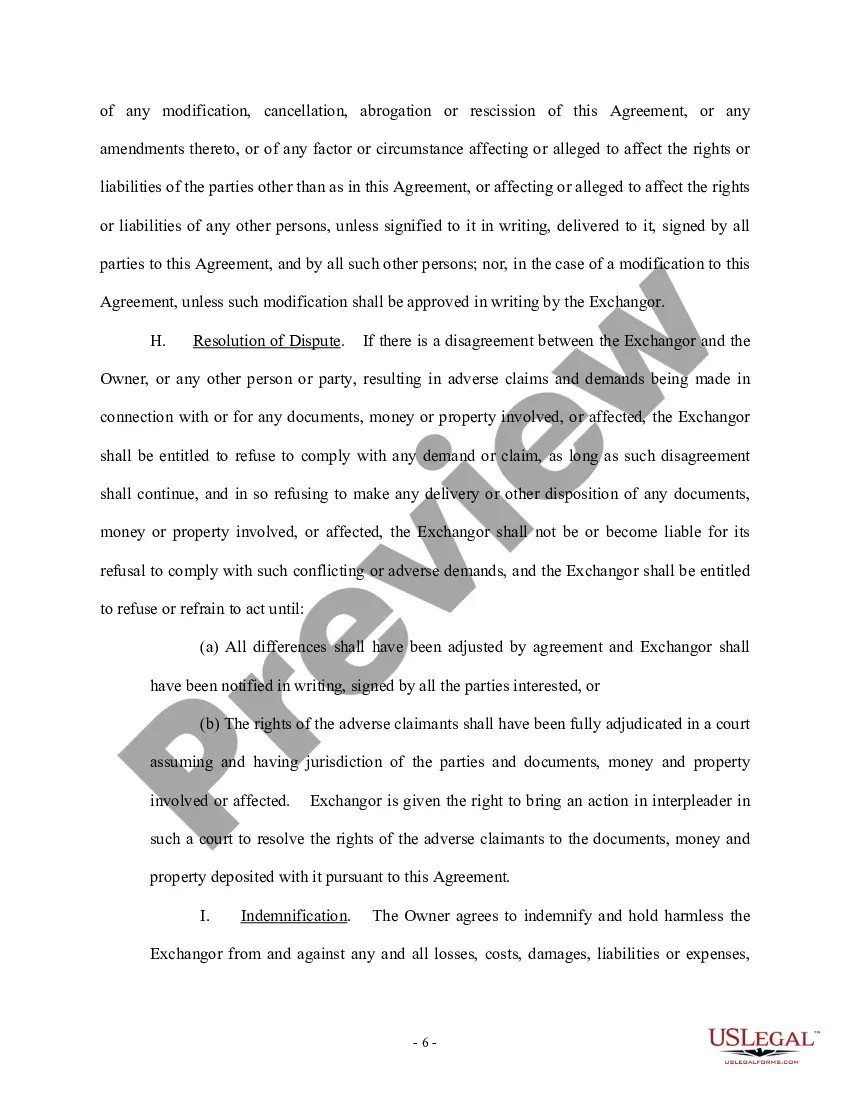
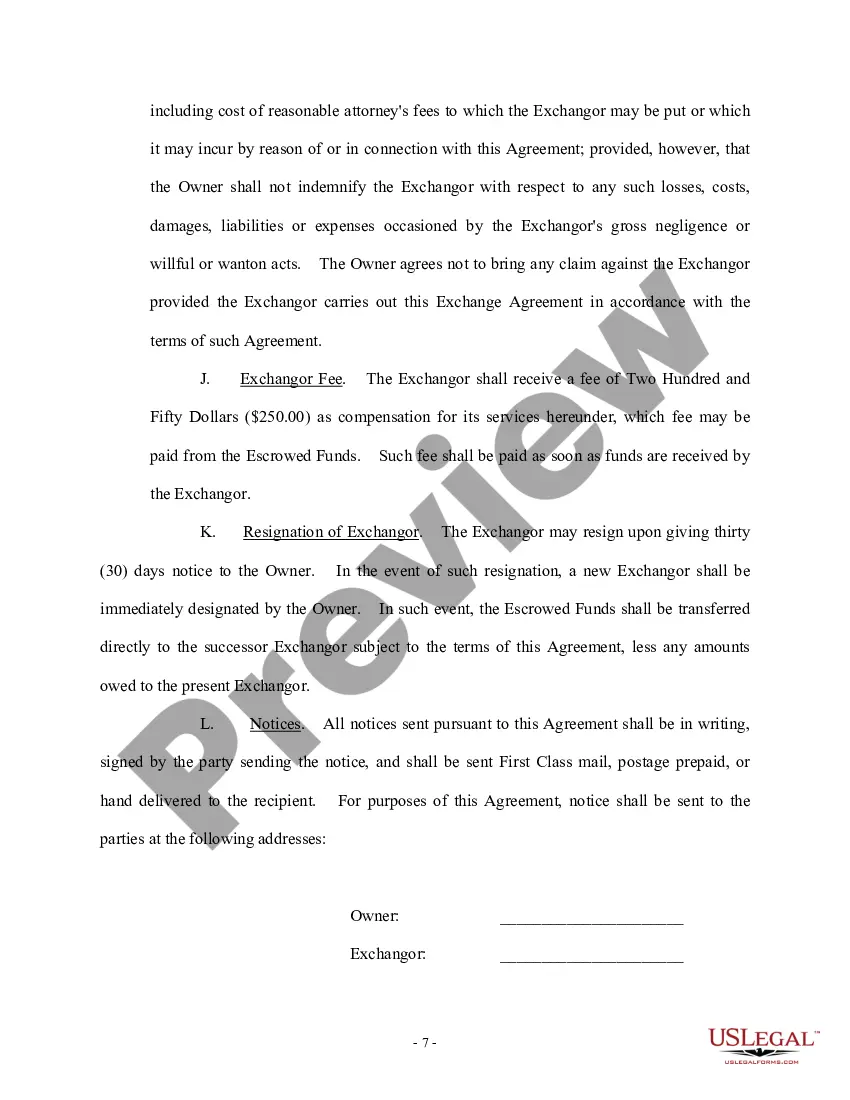
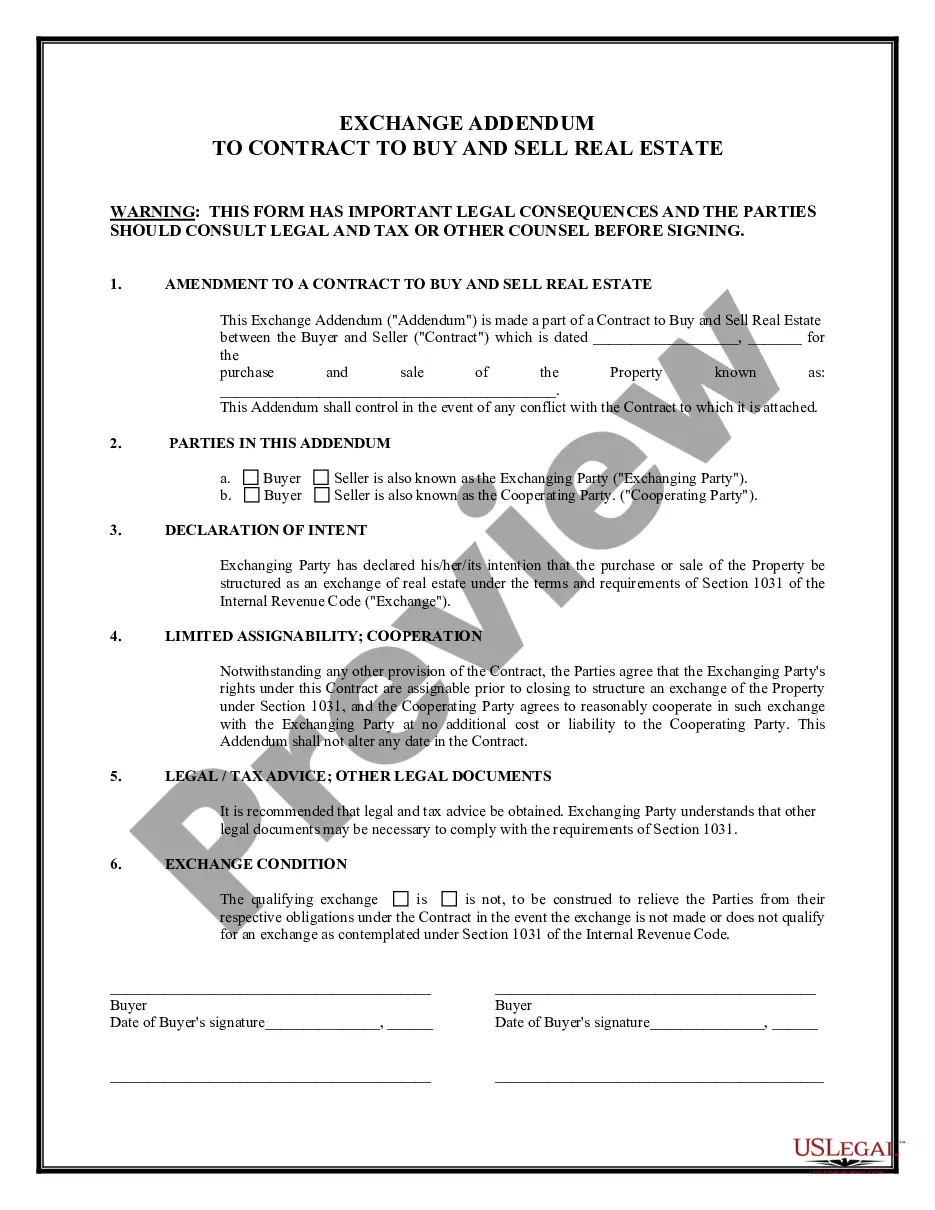
Get your form ready online
Our built-in tools help you complete, sign, share, and store your documents in one place.
Make edits, fill in missing information, and update formatting in US Legal Forms—just like you would in MS Word.
Download a copy, print it, send it by email, or mail it via USPS—whatever works best for your next step.
Sign and collect signatures with our SignNow integration. Send to multiple recipients, set reminders, and more. Go Premium to unlock E-Sign.
If this form requires notarization, complete it online through a secure video call—no need to meet a notary in person or wait for an appointment.
We protect your documents and personal data by following strict security and privacy standards.

Make edits, fill in missing information, and update formatting in US Legal Forms—just like you would in MS Word.

Download a copy, print it, send it by email, or mail it via USPS—whatever works best for your next step.

Sign and collect signatures with our SignNow integration. Send to multiple recipients, set reminders, and more. Go Premium to unlock E-Sign.

If this form requires notarization, complete it online through a secure video call—no need to meet a notary in person or wait for an appointment.

We protect your documents and personal data by following strict security and privacy standards.
Looking for another form?



Form popularity
FAQ
You must file Form IT-203 if you meet any of the following conditions: You have income from a New York State source (see Nonresidents: New York source income) and your New York adjusted gross income (Federal amount column) is more than your New York State standard deduction.
You are considered maintaining a living quarter in New York State if you or your spouse have a dwelling available for your use.
The Privacy Act of 1974 established the Information Exchange Agreement (IEA). The IEA is a document used when CMS discloses Personally Identifiable Information (PII) to a Department of Health and Human Services (HHS) Operating Division (OpDiv), another federal agency, or a state agency.
How do I determine if I need to file Form IT-201 or IT-203? It depends on your residency status. If you were a full-year resident of New York, you'd file IT-201. If you moved during the year, IT-203 is more likely applicable.
New York or the DTF has 20 years to collect tax liabilities. It is 20 years from the date the DTF could file a warrant. While the IRS has ten years to legally collect the taxes, NY State has 20 years.
When you're ready to access your account: Visit .tax.ny/online and select Log in. On the NY ID screen, enter your username and password.
Tax amnesty programs are limited time, “act now,” opportunities for the forgiveness of a tax liability that may include interest and penalties for unfiled or unpaid taxes and without fear of criminal prosecution.
Visit the IRS contact page to get help using online tools and resources. Or: For individual tax returns, call 1-800-829-1040, 7 AM - 7 PM Monday through Friday local time. The wait time to speak with a representative may be long.
New York State - Taxation & Finance Department Individuals. 518-457-5181. Check your refund status. 518-457-5149. Form 1099-G. 518-457-5181. Disagree with your bill or notice. 518-485-9791. STAR Program. 518-457-2036. Primary Services. Description. Hours.
