Exchange Agreement For Lease In Houston
Description

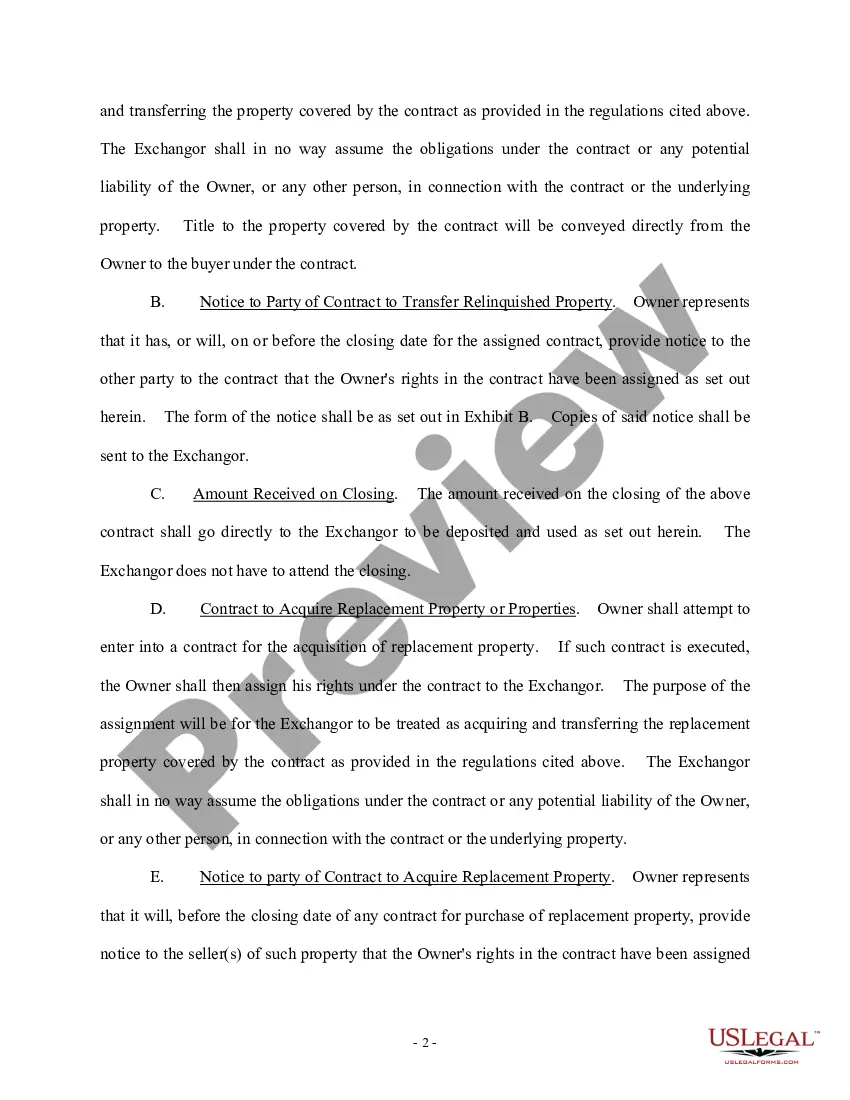
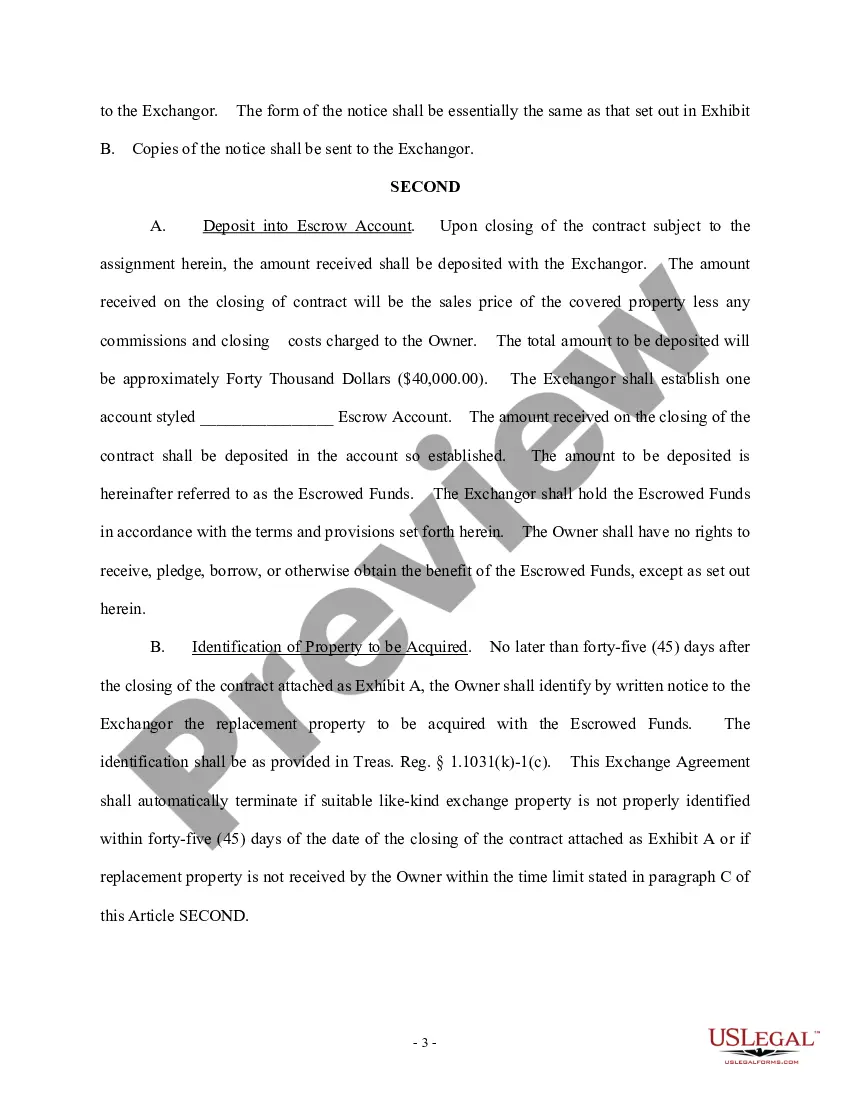
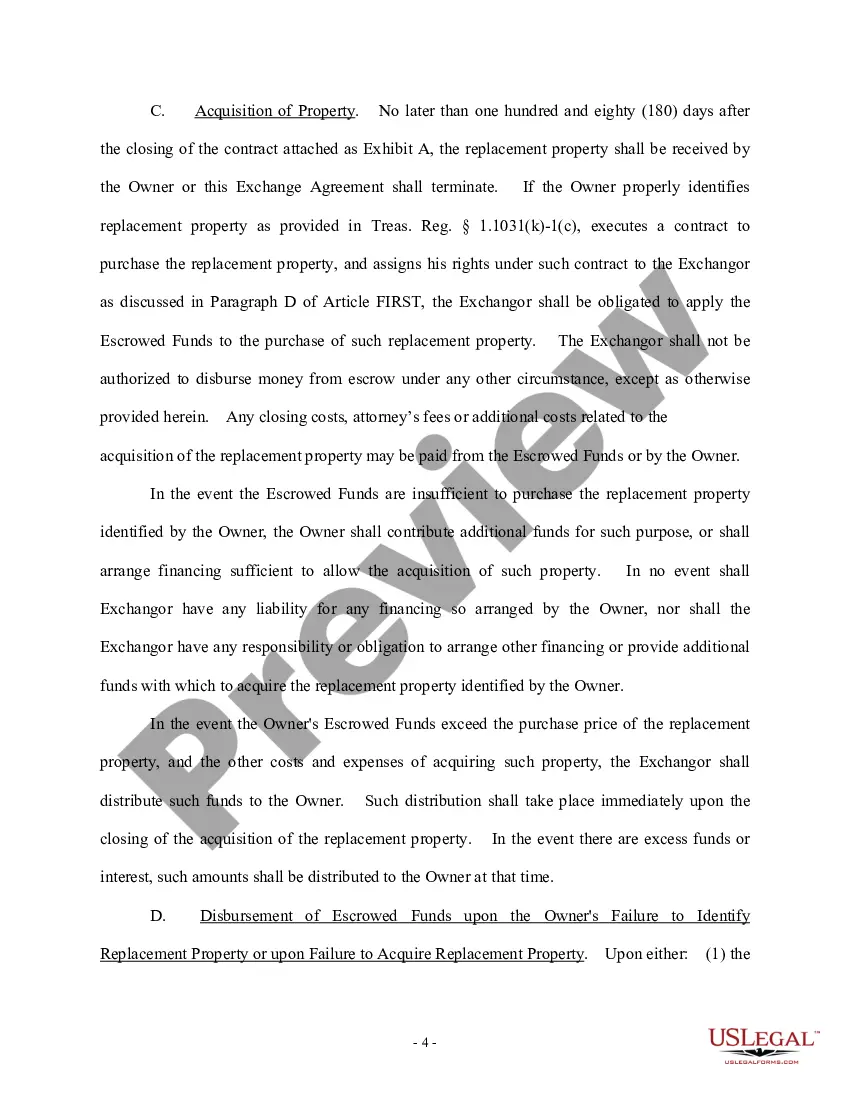
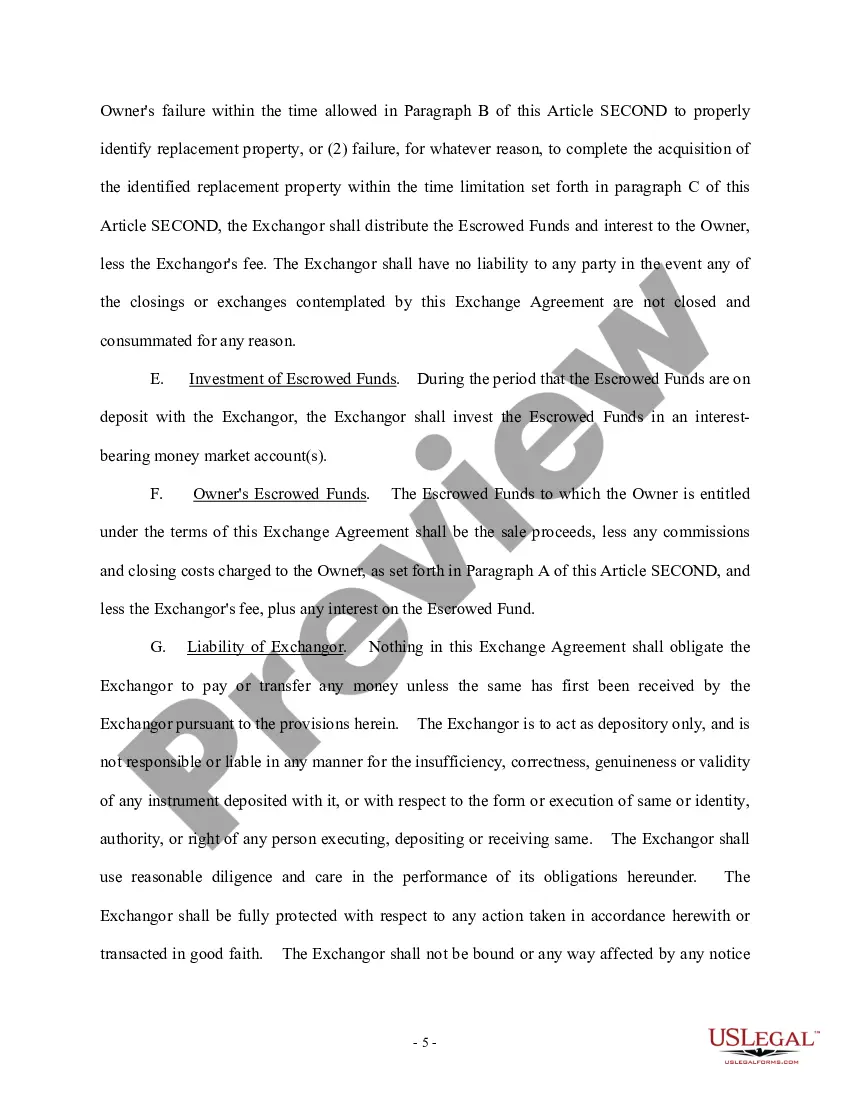
Get your form ready online
Our built-in tools help you complete, sign, share, and store your documents in one place.
Make edits, fill in missing information, and update formatting in US Legal Forms—just like you would in MS Word.
Download a copy, print it, send it by email, or mail it via USPS—whatever works best for your next step.
Sign and collect signatures with our SignNow integration. Send to multiple recipients, set reminders, and more. Go Premium to unlock E-Sign.
If this form requires notarization, complete it online through a secure video call—no need to meet a notary in person or wait for an appointment.
We protect your documents and personal data by following strict security and privacy standards.

Make edits, fill in missing information, and update formatting in US Legal Forms—just like you would in MS Word.

Download a copy, print it, send it by email, or mail it via USPS—whatever works best for your next step.

Sign and collect signatures with our SignNow integration. Send to multiple recipients, set reminders, and more. Go Premium to unlock E-Sign.

If this form requires notarization, complete it online through a secure video call—no need to meet a notary in person or wait for an appointment.

We protect your documents and personal data by following strict security and privacy standards.
Looking for another form?









Form popularity
FAQ
First, the landlord creates the lease and sends it to the renter. Then, the renter reviews the lease, signs it, and returns it to the landlord.
In California, after 30 days of occupancy without a lease a tenant has tenancy rights and can only be evicted for a specific list of reasons. Some jurisdictions in the state are even more strict.
Once each calendar year, at your request, your landlord or rental agency must provide you with a copy of your lease within 15 days of the request under California Civil Code 1962. Your first step would be to make a demand on the landlord for the lease. You should send it in a letter by certified mail.
Contact a local real estate or Landlord/Tenant attorney. Have them draft your first lease and request it on Word. Afterward, you can use it as a template for future leases. It's important to use a local attorney in your state to ensure the lease includes all applicable terms required by your state.
Do Lease Agreements Need to Be Notarized in Texas? No, Texas Lease Agreements do not need to be notarized. They just need to be signed by the Tenant and Landlord.
Yes—whether you are a landlord looking to protect your property or a tenant seeking to understand your rights, a lease agreement attorney is an essential ally in ensuring a fair and secure lease agreement.
It's a common misconception that a tenant can cancel a lease within 3 days of signing. Our librarians have not found any Texas laws that set out an automatic grace period for canceling a lease agreement. Generally, a tenant would be bound by the terms of the lease agreement once it is signed.
Lease agreements are a contract. But you don't necessarily need to hire a lawyer to write good lease agreements, you can do it yourself. But you're a first-time landlord or simply don't have the time to write a lease, you can hire a property management company to do it for you.
Here's a list of standard fields that you should include in your lease agreement: Tenant information. Include each tenant's full name and contact information. Rental property description. Security deposit. Monthly rent amount. Utilities. Lease term. Policies. Late fees.
How to write a Texas lease agreement Begin by including the names and contact information of both the landlord and tenant. Describe the rental property, including its address and any unique features. Specify the lease term, including the move-in and move-out dates.
