Travel Expenses Corporate Without Receipt In King
Description

Get your form ready online
Our built-in tools help you complete, sign, share, and store your documents in one place.
Make edits, fill in missing information, and update formatting in US Legal Forms—just like you would in MS Word.
Download a copy, print it, send it by email, or mail it via USPS—whatever works best for your next step.
Sign and collect signatures with our SignNow integration. Send to multiple recipients, set reminders, and more. Go Premium to unlock E-Sign.
If this form requires notarization, complete it online through a secure video call—no need to meet a notary in person or wait for an appointment.
We protect your documents and personal data by following strict security and privacy standards.

Make edits, fill in missing information, and update formatting in US Legal Forms—just like you would in MS Word.

Download a copy, print it, send it by email, or mail it via USPS—whatever works best for your next step.

Sign and collect signatures with our SignNow integration. Send to multiple recipients, set reminders, and more. Go Premium to unlock E-Sign.

If this form requires notarization, complete it online through a secure video call—no need to meet a notary in person or wait for an appointment.

We protect your documents and personal data by following strict security and privacy standards.
Looking for another form?








Form popularity
FAQ
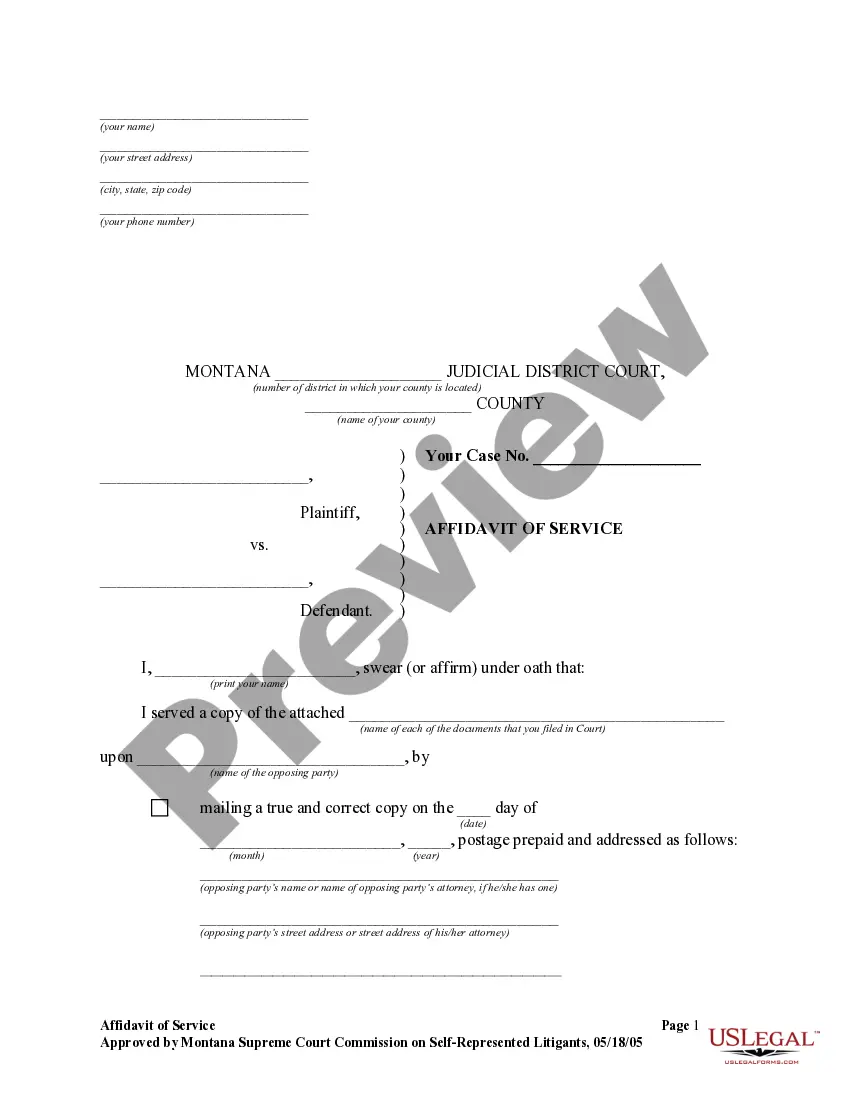
To claim expenses without a receipt or invoice, you will often need to explain the reason for the missing evidence and provide a signed statement justifying the expense and asserting that the amount is correct. This signed statement is known as an affidavit.
To prove travel expenses for taxes, you should keep a record of your expenses, such as receipts, vouchers, and invoices. As a general rule of thumb, don't write off an expense unless you can prove it relates to work.
You should keep adequate records to prove your expenses or have sufficient evidence that will support your own statement. You generally must have documentary evidence, such as receipts, canceled checks, or bills, to support your expenses.
If you claim expenses but don't have receipts, the IRS may assess a negligence penalty against you. The IRS expects small business owners to operate with financial integrity, and maintaining accurate records is part of that process. The good news is that the negligence penalty is 20% of the underreported tax.
If you choose to claim an expense without a receipt, make sure you have other proof of the transaction, either on a bank statement or as detailed notes. You need to be able to demonstrate that the expense is solely for business use and that the amounts have been recorded and calculated accurately.
Yes, you can claim deductions if you don't have receipts. For general expenses, you'll need an alternative record showing the transaction date, amount, and purpose.
You should keep adequate records to prove your expenses or have sufficient evidence that will support your own statement. You generally must have documentary evidence, such as receipts, canceled checks, or bills, to support your expenses.
As a general rule, a taxpayer must maintain adequate records or other sufficient evidence to substantiate expenses claimed. Additional evidence is required for some expenditures or use, such as, travel, entertainment, gifts, and auto expenses.
You can claim expenses spent on running your business without a receipts but cannot claim IRS deductions on personal costs. In an IRS audit no receipts situation, you cannot claim entertainment expenses, non-essential renovations, or charitable contributions not for your business purposes.

