Property Tax Exemption Form For Veterans In Virginia
Description
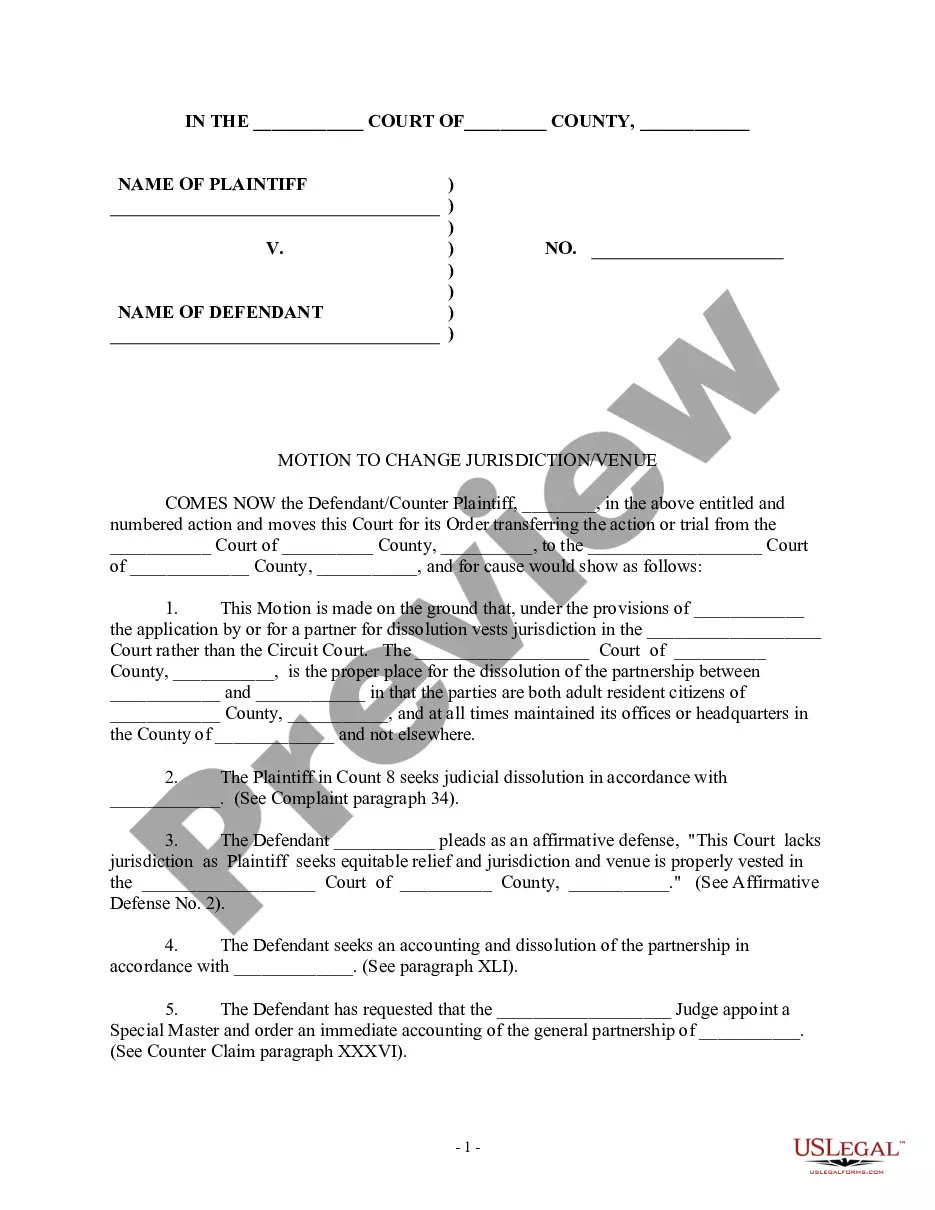
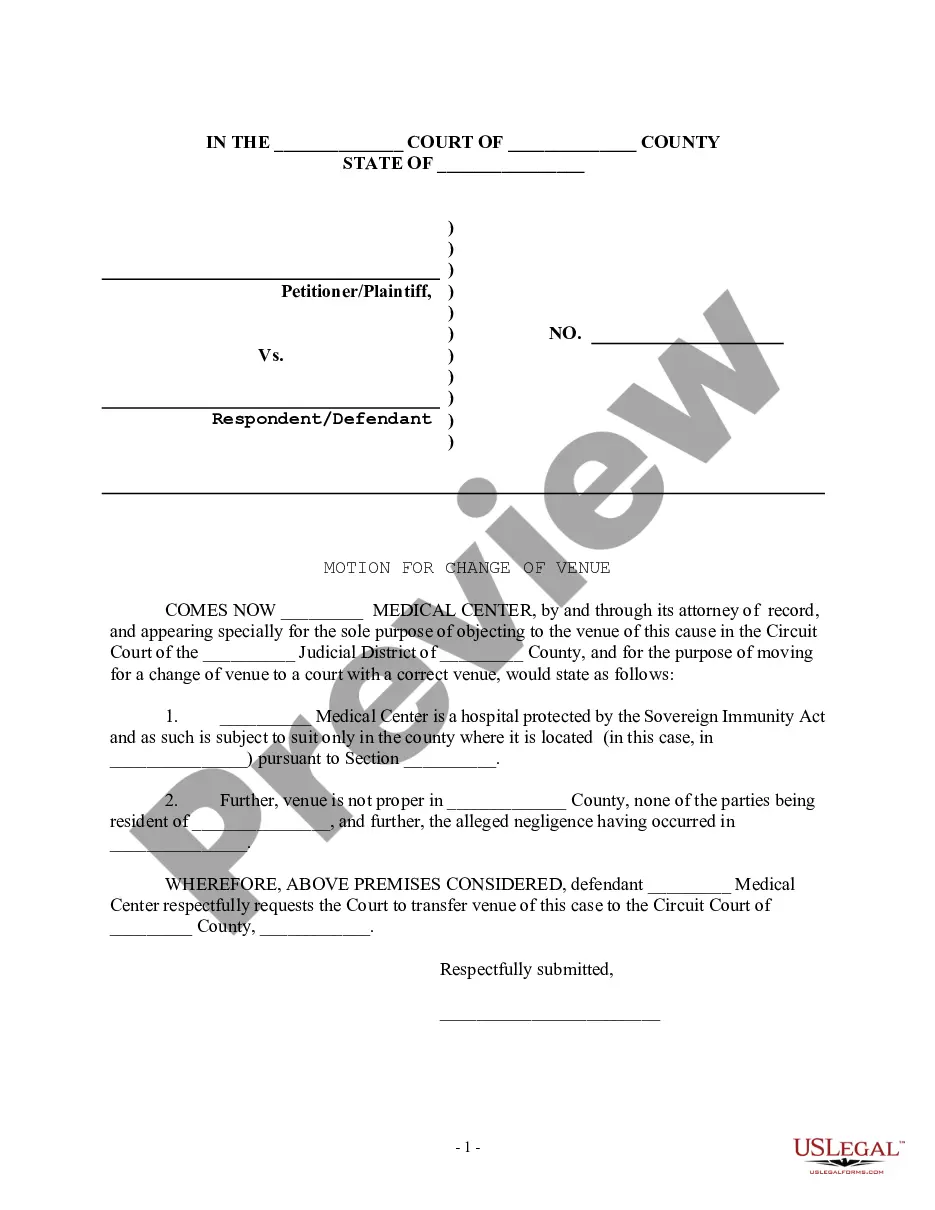
Get your form ready online
Our built-in tools help you complete, sign, share, and store your documents in one place.
Make edits, fill in missing information, and update formatting in US Legal Forms—just like you would in MS Word.
Download a copy, print it, send it by email, or mail it via USPS—whatever works best for your next step.
Sign and collect signatures with our SignNow integration. Send to multiple recipients, set reminders, and more. Go Premium to unlock E-Sign.
If this form requires notarization, complete it online through a secure video call—no need to meet a notary in person or wait for an appointment.
We protect your documents and personal data by following strict security and privacy standards.

Make edits, fill in missing information, and update formatting in US Legal Forms—just like you would in MS Word.

Download a copy, print it, send it by email, or mail it via USPS—whatever works best for your next step.

Sign and collect signatures with our SignNow integration. Send to multiple recipients, set reminders, and more. Go Premium to unlock E-Sign.

If this form requires notarization, complete it online through a secure video call—no need to meet a notary in person or wait for an appointment.

We protect your documents and personal data by following strict security and privacy standards.
Looking for another form?
Form popularity
FAQ
Code of Virginia (1950) Section 58.1-3219.5, as amended, provides for a state-wide exemption of real property taxes for United States Veterans who have been declared by the U.S. Department of Veterans Affairs to have a 100% service-connected, permanent and total disability.
The Commonwealth of Virginia exempts the real property of a disabled veteran from taxation, including the joint real property of husband and wife, when these two criteria are met: The veteran occupies the real property as his or her principal place of residence.
Real Estate Property Exemptions. Virginia provides tax exemptions for 1.) Certain veterans and their surviving spouses, and 2.) The surviving spouses of soldiers killed in action.
Applications are available at the county real estate assessments office or local office of the commissioner of revenue. Supporting documentation for income, assets, and liabilities may be required. A copy of federal income tax return and supporting schedules must be included.
The Commonwealth of Virginia does not offer property tax relief programs. However, most Virginia cities, counties, and towns offer some form of personal property tax relief to homeowners age 65 and older, and to homeowners with disabilities.
PPTR Vehicle Eligibility Vehicles owned or leased by an individual that are predominately used for non-business purposes and have passenger license plates. Vehicles are automobiles, motorcycles, pickups and panel trucks registered with DMV with a gross weight of 10,000 pounds or less.
How to Apply Complete the Application: Download and fill out the Application for Property Tax Exemption (PDF). Submit the Application: Mail the completed application to the Office of the Commissioner of the Revenue. Review Process. Effective Date: Approved exemptions take effect on January 1 of the following year.
Applications for real estate tax exemption are taken in the office of the Commissioner of the Revenue, Municipal Center, Building 1, by appointment only from Feb. 1 through June 30. To qualify, individuals must meet income and net worth limitations. The percentage of tax exemption varies based on income level.
Veterans may be entitled to property tax exemption for their primary residence. Eligibility and the exemption amount typically depend on disability rating, state, county and city. For example, some states limit exemptions to Veterans with a 100% VA disability rating, while others go as low as 10%.
Eligibility requirements for exemption: Applicant must be at least 65 years of age by December 31 of the previous calendar year. Total combined income from all sources during the previous calendar year of applicant, spouse, and all relatives and non-relatives residing in the home shall not exceed $25,000.