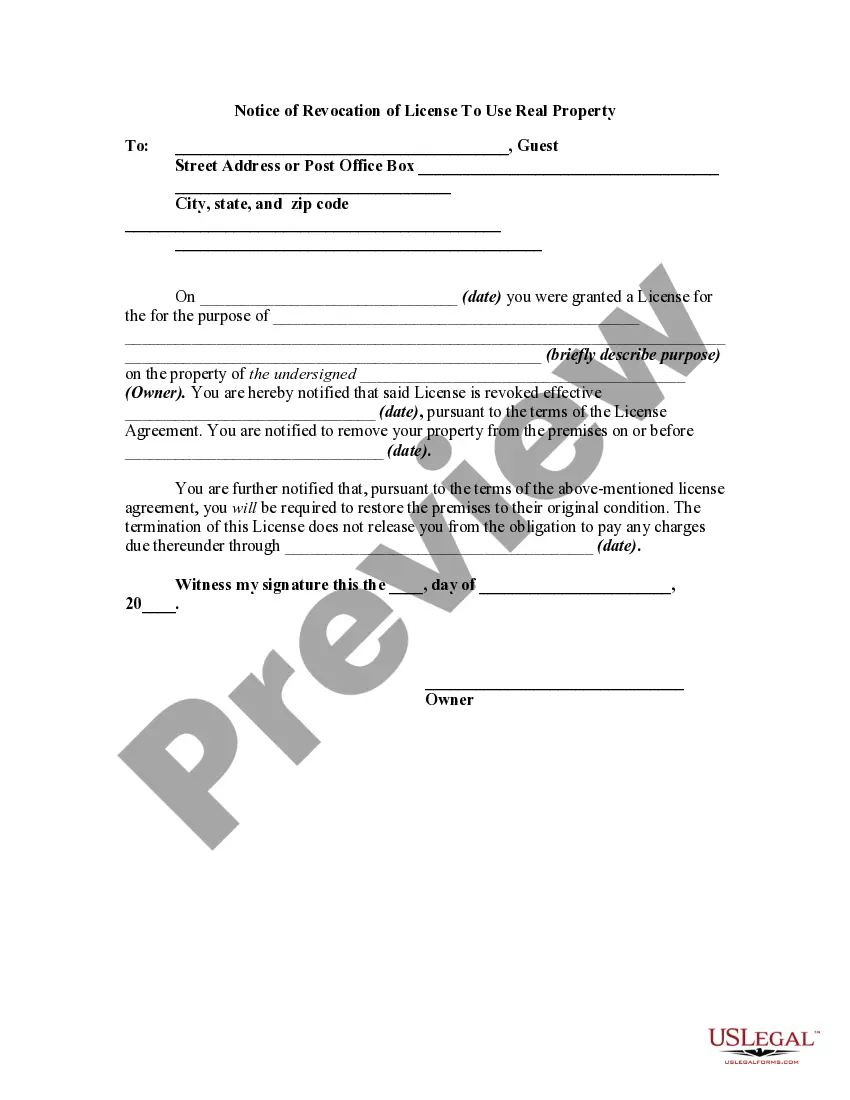
Nebraska Homestead Exemption Application Form 458 In Utah
Description





Get your form ready online
Our built-in tools help you complete, sign, share, and store your documents in one place.
Make edits, fill in missing information, and update formatting in US Legal Forms—just like you would in MS Word.
Download a copy, print it, send it by email, or mail it via USPS—whatever works best for your next step.
Sign and collect signatures with our SignNow integration. Send to multiple recipients, set reminders, and more. Go Premium to unlock E-Sign.
If this form requires notarization, complete it online through a secure video call—no need to meet a notary in person or wait for an appointment.
We protect your documents and personal data by following strict security and privacy standards.

Make edits, fill in missing information, and update formatting in US Legal Forms—just like you would in MS Word.

Download a copy, print it, send it by email, or mail it via USPS—whatever works best for your next step.

Sign and collect signatures with our SignNow integration. Send to multiple recipients, set reminders, and more. Go Premium to unlock E-Sign.

If this form requires notarization, complete it online through a secure video call—no need to meet a notary in person or wait for an appointment.

We protect your documents and personal data by following strict security and privacy standards.
Looking for another form?








Form popularity
FAQ
Certain homeowners, such as seniors, veterans, and disabled individuals, qualify for a homestead exemption, which reduces the taxable value of their property. The combined rate cap for all local governments within a jurisdiction is generally set at $2.19 per $100 of assessed value.
You may be eligible for the primary residential exemption if you occupy your home for 183 consecutive days or more in a calendar year. The exemption applies to your house and up to one acre of land. Apartments, condos and mobile homes also qualify.
Taxes aren't determined by age, so you will never age out of paying taxes. People who are 65 or older at the end of 2025 have to file a return for that tax year (which is due in 2026) if their gross income is $16,550 or higher. If you're married filing jointly and both 65 or older, that amount is $32,300.
The Nebraska homestead exemption program is a property tax relief program for three categories of homeowners: A. Persons over age 65; B. Qualified disabled individuals; or C.
Form 458, Nebraska Homestead Exemption Application. Form 458, Schedule I - Income Statement and Instructions. Form 458B, Certification of Disability for Homestead Exemption.
Often, if you're 65 or older, you'll be able to reduce your property tax bill not only on a house but mobile and manufactured homes, houseboats, townhomes, iniums and so on. You will have to apply: You typically need to apply for a senior freeze.
All property in the State of Nebraska is subject to property tax, unless an exemption is mandated or permitted by the Nebraska Constitution or by legislation. Government-owned property used for a public purpose is exempt. If the government-owned property is not used for public purpose, it may be considered taxable.
Homestead exemption requires the applicant to own the home. Ownership means the owner of record or surviving spouse, a joint tenant or tenant in common or surviving spouse, a vendee in possession under a land contract, or the beneficiary of a trust if certain conditions are met.
This Form 458 Schedule I must be filed by persons applying for a homestead exemption, who are not filing as a veteran drawing compensation from the Department of Veteran's Affairs (DVA) or as a paraplegic veteran or multiple amputee whose home was substantially contributed to by the DVA.