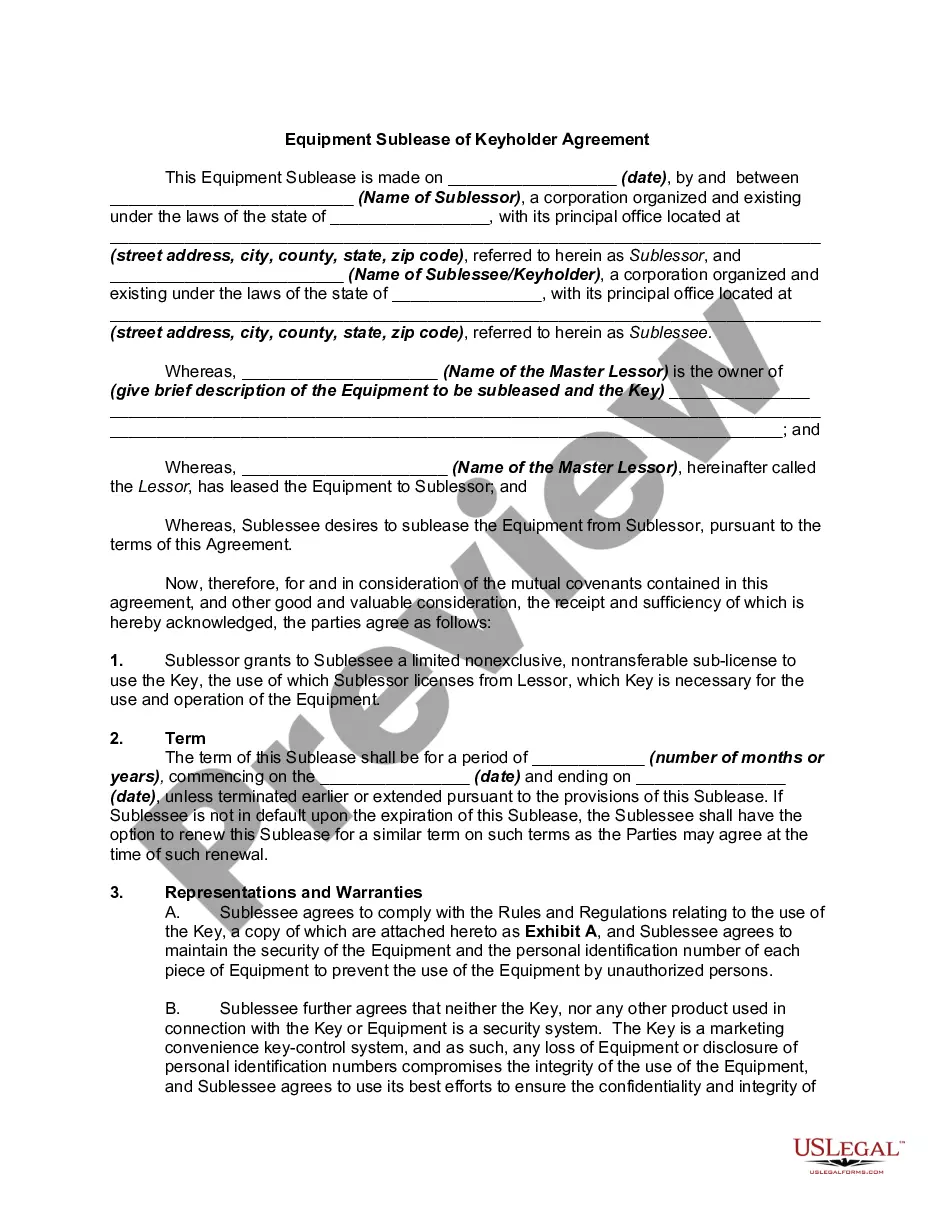
Homestead Exemption Requirements In Nebraska In Philadelphia
Description





Get your form ready online
Our built-in tools help you complete, sign, share, and store your documents in one place.
Make edits, fill in missing information, and update formatting in US Legal Forms—just like you would in MS Word.
Download a copy, print it, send it by email, or mail it via USPS—whatever works best for your next step.
Sign and collect signatures with our SignNow integration. Send to multiple recipients, set reminders, and more. Go Premium to unlock E-Sign.
If this form requires notarization, complete it online through a secure video call—no need to meet a notary in person or wait for an appointment.
We protect your documents and personal data by following strict security and privacy standards.

Make edits, fill in missing information, and update formatting in US Legal Forms—just like you would in MS Word.

Download a copy, print it, send it by email, or mail it via USPS—whatever works best for your next step.

Sign and collect signatures with our SignNow integration. Send to multiple recipients, set reminders, and more. Go Premium to unlock E-Sign.

If this form requires notarization, complete it online through a secure video call—no need to meet a notary in person or wait for an appointment.

We protect your documents and personal data by following strict security and privacy standards.
Looking for another form?
Form popularity
FAQ
If you own your primary residence, you are eligible for the Homestead Exemption on your Real Estate Tax. The Homestead Exemption reduces the taxable portion of your property's assessed value. With this exemption, the property's assessed value is reduced by $100,000.
The decision to homestead is a great one, but your success will largely depend on where you live. That's why it is so important to consider homestead-friendly states before you settle down. While homesteading is allowed in every state, some are more homestead-friendly than others.
While the specifics can vary by state, generally, homestead exemptions are only available for an individual or family's primary residence. This means you cannot claim homestead exemptions in multiple states.
They provide protection of a certain amount of a homeowner's assets in case of bankruptcy and can reduce his or her property tax bill. Most states have a homestead exemption. They require the homesteaded property be the homeowner's primary place of residence. Homeowners can only be homesteaded in one state.
Homestead exemption applications must be filed annually between February 2 and June 30. Application forms are typically available beginning February 2. The Assessor/Register of Deeds office will mail pre-printed forms and a copy of the State's income and value limits to previous filers in February.
You must own the property and have an equity interest in it. This includes houses, condominiums, co-ops, and mobile homes. Your home equity must fall within the exemption limits for your county: $179,950 for the counties of Kings, Queens, New York, Bronx, Richmond, Nassau, Suffolk, Rockland, Westchester, and Putnam.
1. California. California has two systems for the homestead exemption. Under one system, homeowners can exempt up to $600,000 of equity in a house. In the other system, they can exempt up to $31,950 of home equity.
All property in the State of Nebraska is subject to property tax, unless an exemption is mandated or permitted by the Nebraska Constitution or by legislation. Government-owned property used for a public purpose is exempt. If the government-owned property is not used for public purpose, it may be considered taxable.
And in June, City Council approved an increase in the value of the homestead exemption from $80,000 to $100,000; the exemption, the city's largest residential tax assistance program, reduces the taxable value of all owner-occupied residences. The nominal tax rate, 1.3998%, did not change.
Under the map, find the words HOMESTEAD EXEMPTION. If you're signed up, the word “Yes” appears directly below. Another easy option is to call the Homestead hotline: (215) 686-9200. There is more information about this program, and how to apply on our website.