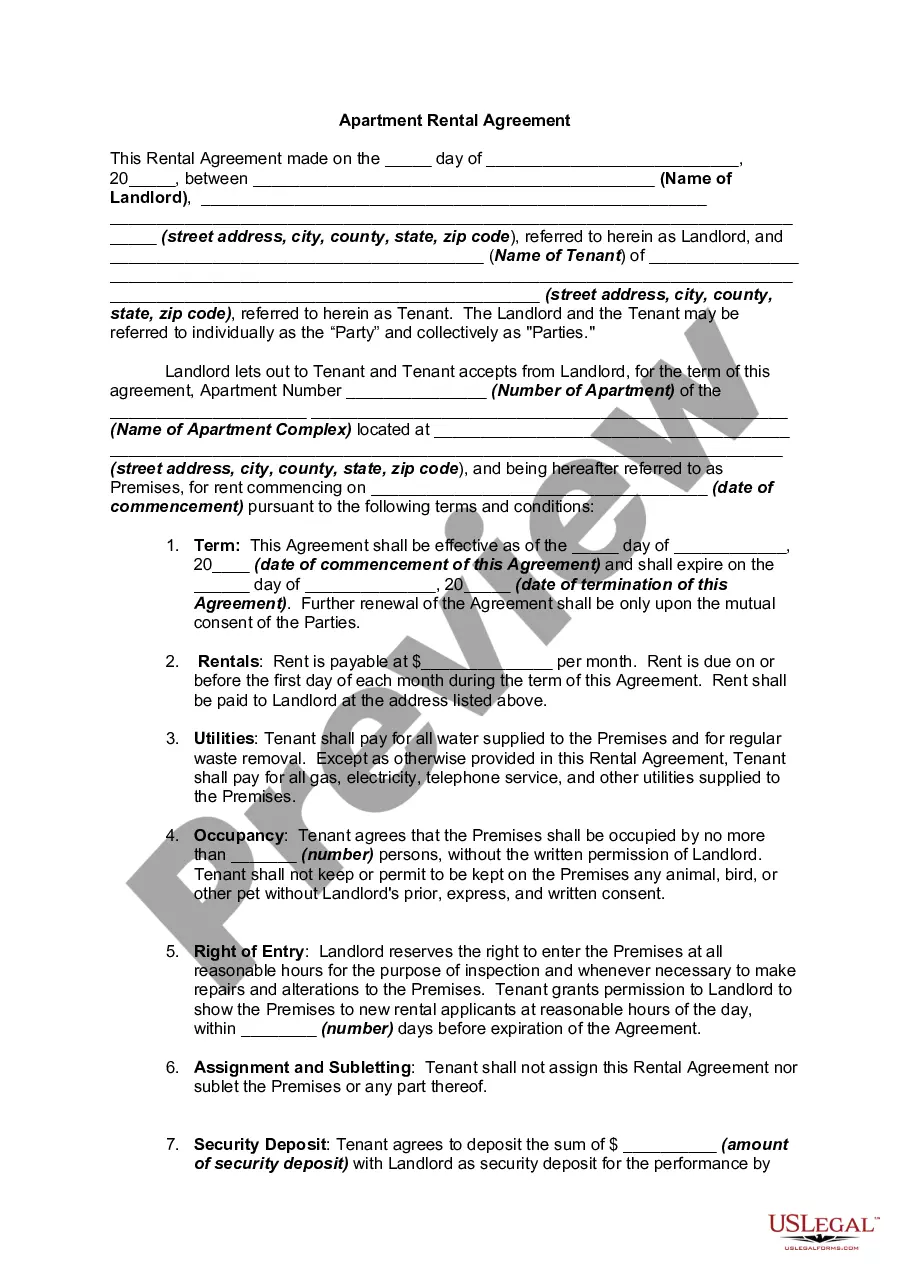
Florida Homestead Exemption Form Pinellas County In Middlesex
Description





Get your form ready online
Our built-in tools help you complete, sign, share, and store your documents in one place.
Make edits, fill in missing information, and update formatting in US Legal Forms—just like you would in MS Word.
Download a copy, print it, send it by email, or mail it via USPS—whatever works best for your next step.
Sign and collect signatures with our SignNow integration. Send to multiple recipients, set reminders, and more. Go Premium to unlock E-Sign.
If this form requires notarization, complete it online through a secure video call—no need to meet a notary in person or wait for an appointment.
We protect your documents and personal data by following strict security and privacy standards.

Make edits, fill in missing information, and update formatting in US Legal Forms—just like you would in MS Word.

Download a copy, print it, send it by email, or mail it via USPS—whatever works best for your next step.

Sign and collect signatures with our SignNow integration. Send to multiple recipients, set reminders, and more. Go Premium to unlock E-Sign.

If this form requires notarization, complete it online through a secure video call—no need to meet a notary in person or wait for an appointment.

We protect your documents and personal data by following strict security and privacy standards.
Looking for another form?





Form popularity
FAQ
Fortunately, the state of Florida offers various property tax benefits for the elderly and disabled. They include exemptions and discounts for eligible residents. These benefits are designed to reduce the financial burden on eligible residents and provide them with tax relief.
Real estate owned by certain religious, charitable or educational entities that are used for religious, charitable or educational purposes is exempt from property taxation. An exemption must be applied for through the Property Appraiser's office. The exemption is not automatic.
The deadline is March 1 each year. The deadline to file a timely application for 2025 is March 3, 2025. Under Florida law, failure to file for any exemption by March 1 constitutes a waiver of the exemption privilege for 2025. How do I file?
You are 65 years of age, or older, on January 1; You qualify for, and receive, the Florida Homestead Exemption; Your total 'Household Adjusted Gross Income' for everyone who lives on the property cannot exceed statutory limits.
Please Note: We are currently accepting E-file applications for the tax year 2025 only. To be eligible for homestead exemption, you must be a permanent resident of Florida, who owns real property as of January 1 of the year in which you are applying.
At What Age Can You Stop Filing Taxes? Taxes aren't determined by age, so you will never age out of paying taxes. People who are 65 or older at the end of 2024 have to file a return for tax year 2024 (which is due in 2025) if their gross income is $16,550 or higher.
Late filing is permitted through early September. (The deadline for late filing is set by Florida law and falls on the 25th day following the mailing of the Notices of Proposed Property Taxes which occurs in mid-August.)
It exempts the amount of the assessed value of the property if the just value is less than $250,000; the property has been the owner's permanent residence for at least 25 years; the owner is 65+; and the owner's household income does not exceed the limit established by the Florida Department of Revenue for the low- ...