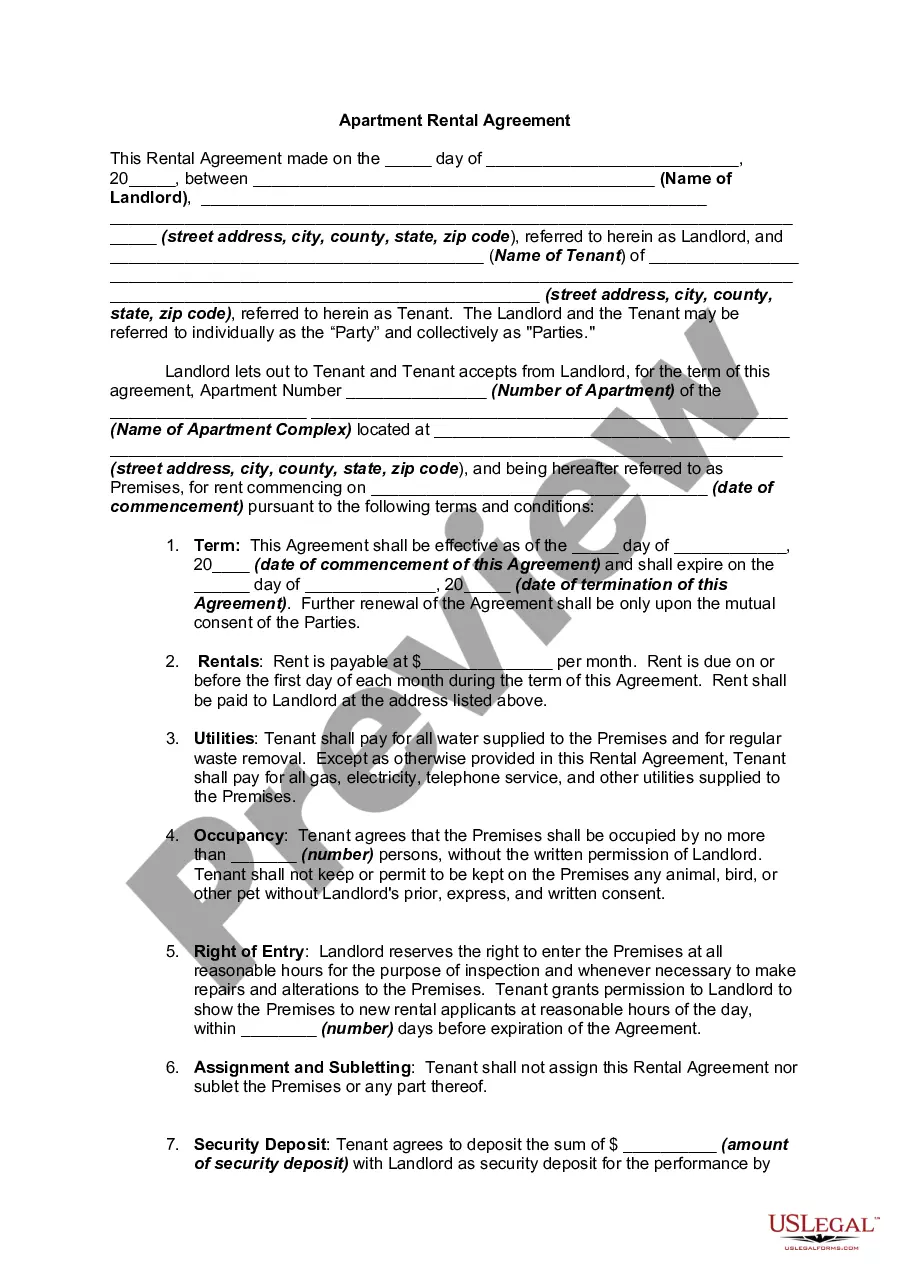
Florida Homestead Exemption Form Pinellas County In Michigan
Description





Get your form ready online
Our built-in tools help you complete, sign, share, and store your documents in one place.
Make edits, fill in missing information, and update formatting in US Legal Forms—just like you would in MS Word.
Download a copy, print it, send it by email, or mail it via USPS—whatever works best for your next step.
Sign and collect signatures with our SignNow integration. Send to multiple recipients, set reminders, and more. Go Premium to unlock E-Sign.
If this form requires notarization, complete it online through a secure video call—no need to meet a notary in person or wait for an appointment.
We protect your documents and personal data by following strict security and privacy standards.

Make edits, fill in missing information, and update formatting in US Legal Forms—just like you would in MS Word.

Download a copy, print it, send it by email, or mail it via USPS—whatever works best for your next step.

Sign and collect signatures with our SignNow integration. Send to multiple recipients, set reminders, and more. Go Premium to unlock E-Sign.

If this form requires notarization, complete it online through a secure video call—no need to meet a notary in person or wait for an appointment.

We protect your documents and personal data by following strict security and privacy standards.
Looking for another form?







Form popularity
FAQ
As of 2024, the federal homestead exemption is $27,900 for an individual and $55,800 for married couples filing jointly. In contrast, New York's exemption amounts are: $179,950 for the counties of Kings, Queens, New York, Bronx, Richmond, Nassau, Suffolk, Rockland, Westchester, and Putnam.
While the specifics can vary by state, generally, homestead exemptions are only available for an individual or family's primary residence. This means you cannot claim homestead exemptions in multiple states.
1. California. California has two systems for the homestead exemption. Under one system, homeowners can exempt up to $600,000 of equity in a house. In the other system, they can exempt up to $31,950 of home equity.
Once homestead is established, the first $25,000 in property value is not taxed. With the passage of Amendment 1 in 2008, an additional exemption will be automatically applied on the assessed value between $50,000 and $75,000.
Public Act 74 of 1995 provides for an exemption to be filed by mail or in person at the July or December Board of Review for the year of the claim, or the following year's July or December Board of Review. To petition the Board of Review you must submit a signed Affidavit for Homestead Exemption (form 2368).
Technically it's not possible to do that, because you must claim the homestead exemption in the state that is your permananent residence, and you can only have one state as permanent residence since you must spend more than 180 days in that place.
First-time Homestead Exemption applicants and persons applying for the Homestead Assessment Difference (Portability) can file online.
Public Act 74 of 1995 provides for an exemption to be filed by mail or in person at the July or December Board of Review for the year of the claim, or the following year's July or December Board of Review. To petition the Board of Review you must submit a signed Affidavit for Homestead Exemption (form 2368).