Exemption Form Homestead With Texas In Kings
Description





Get your form ready online
Our built-in tools help you complete, sign, share, and store your documents in one place.
Make edits, fill in missing information, and update formatting in US Legal Forms—just like you would in MS Word.
Download a copy, print it, send it by email, or mail it via USPS—whatever works best for your next step.
Sign and collect signatures with our SignNow integration. Send to multiple recipients, set reminders, and more. Go Premium to unlock E-Sign.
If this form requires notarization, complete it online through a secure video call—no need to meet a notary in person or wait for an appointment.
We protect your documents and personal data by following strict security and privacy standards.

Make edits, fill in missing information, and update formatting in US Legal Forms—just like you would in MS Word.

Download a copy, print it, send it by email, or mail it via USPS—whatever works best for your next step.

Sign and collect signatures with our SignNow integration. Send to multiple recipients, set reminders, and more. Go Premium to unlock E-Sign.

If this form requires notarization, complete it online through a secure video call—no need to meet a notary in person or wait for an appointment.

We protect your documents and personal data by following strict security and privacy standards.
Looking for another form?

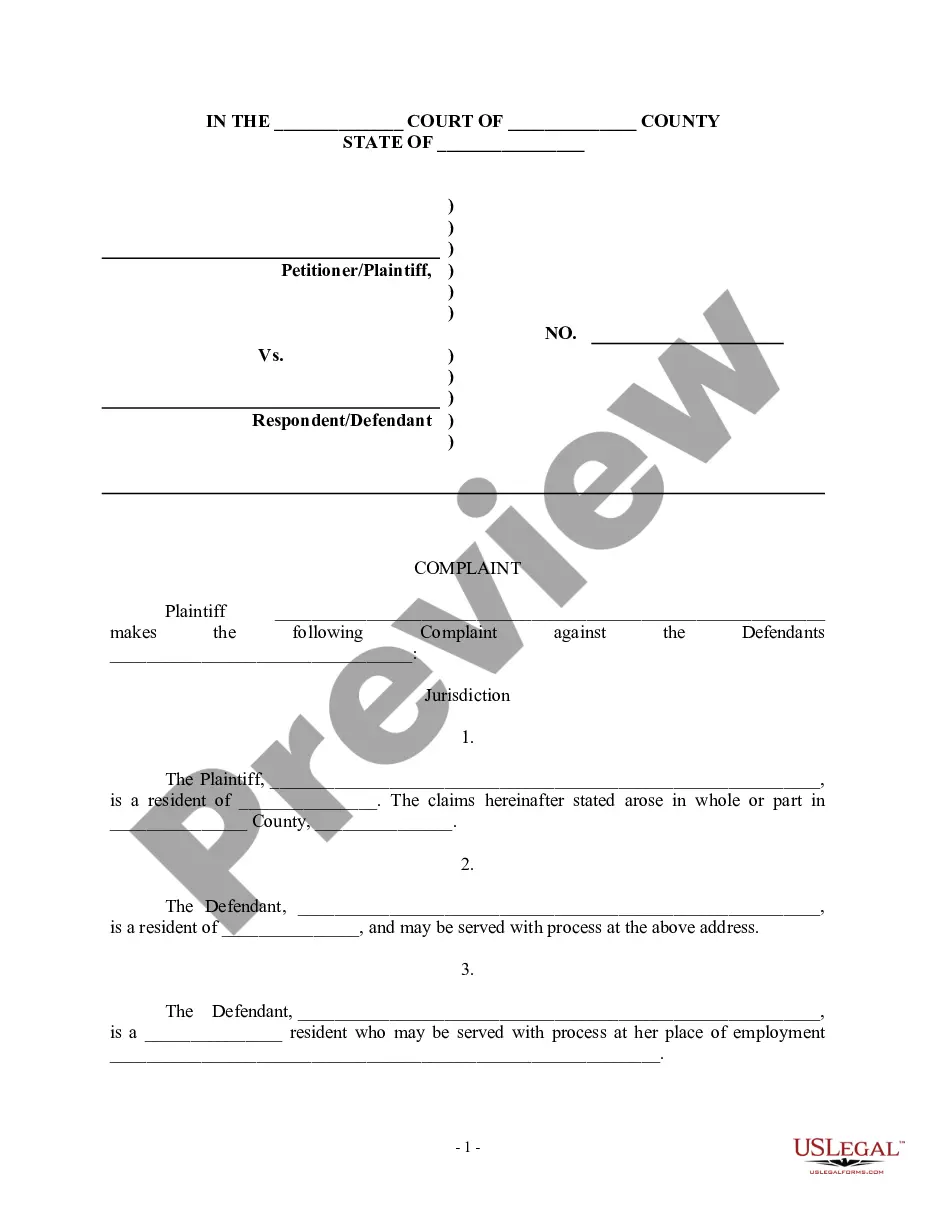

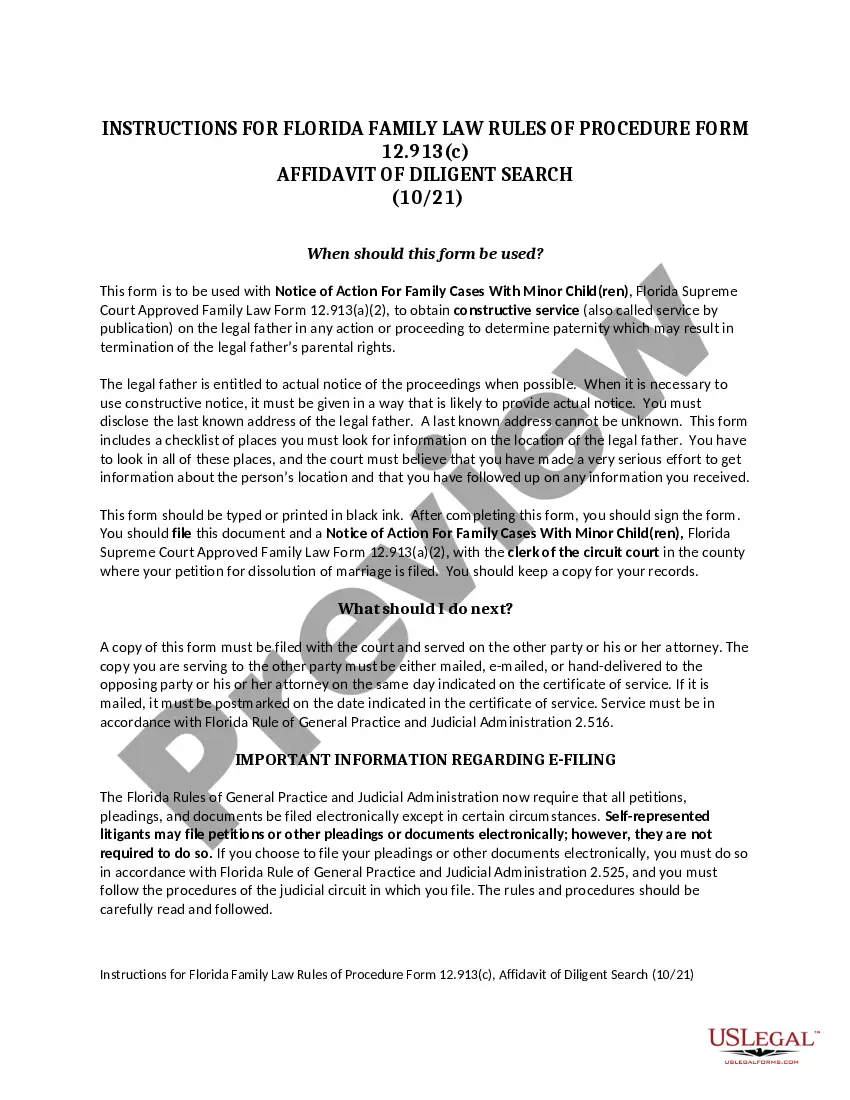
Form popularity
FAQ
Ing to the Comptroller, there is no provision for the cessation of property taxes at any stage. However, there is a Texas property tax exemption for people over the age of 65, which offers temporary tax relief for seniors. At the age of 65, seniors can apply for an exemption from Texas property taxes.
Taxing units may offer a local option exemption based on a percentage of a home's appraised value. Any taxing unit can exempt up to 20 percent of the value of each qualified homestead. No matter what percentage of value the taxing unit adopts, the dollar value of the exemption must be at least $5,000.
To qualify for the general residence homestead exemption, a home must meet the definition of a residence homestead and an individual must have an ownership interest in the property and use the property as the individual's principal residence.
In 2023, the $100,000 Homestead Exemption was permanently codified into the Texas Constitution when voters passed Proposition 4 with 83% of voters in support. This makes the $100,000 Homestead Exemption permanent, and homeowners will receive tax relief every single year, forever.
There are multiple ways to file a Homestead Exemption application Form 50-114, however the online option is the fastest, and details are provided in the transcript below.
Texas offers several types of Homestead Exemptions: Standard Homestead Exemption: Provides a $100,000 reduction in the appraised value for school district taxes. For example, a home appraised at $300,000 would have its taxable value reduced to $200,000, saving homeowners hundreds of dollars annually.
Determining Urban or Rural Homesteads in Texas Rural homesteads are limited to 200 acres for a family and 100 acres for a single adult, including improvements on the property. An urban homestead is limited to ten acres with improvements, which must be in adjacent lots.
The general residence homestead exemption is a $100,000 school tax exemption. This means that your school taxes are calculated as if your home is worth $100,000 less than its appraised value. For example, if your home is appraised at $300,000, you will only be taxed on $200,000. Local Residence Homestead Exemptions.
Per the Texas Comptroller, the completed application and required documentation are due no later than April 30 of the tax year for which you are applying. A late homestead exemption application, however, may be filed up to two years after the delinquency date, which is usually Feb. 1.
Texas offers several types of Homestead Exemptions: Standard Homestead Exemption: Provides a $100,000 reduction in the appraised value for school district taxes. For example, a home appraised at $300,000 would have its taxable value reduced to $200,000, saving homeowners hundreds of dollars annually.

