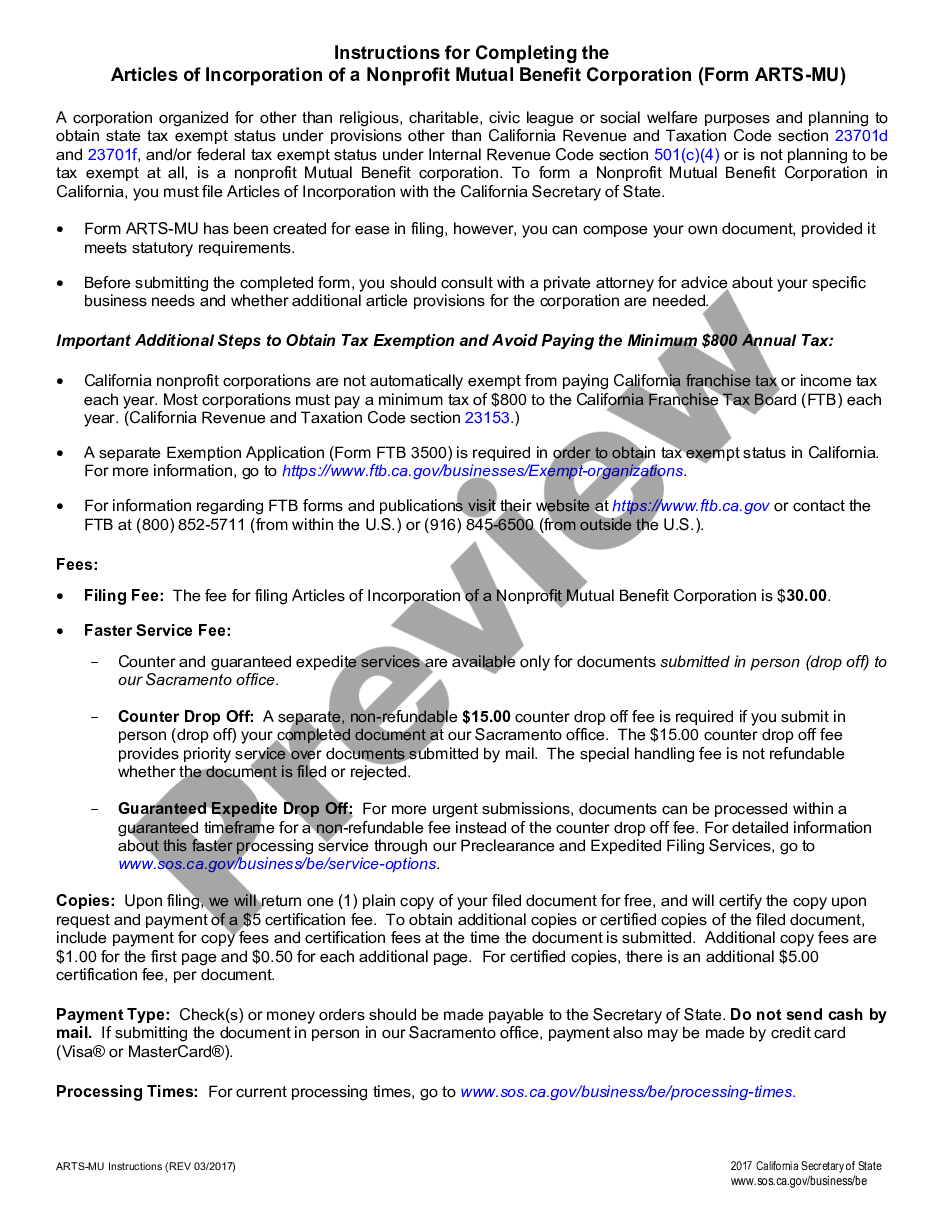
Letter Instruction Sample Formal In Philadelphia
Description

Get your form ready online
Our built-in tools help you complete, sign, share, and store your documents in one place.
Make edits, fill in missing information, and update formatting in US Legal Forms—just like you would in MS Word.
Download a copy, print it, send it by email, or mail it via USPS—whatever works best for your next step.
Sign and collect signatures with our SignNow integration. Send to multiple recipients, set reminders, and more. Go Premium to unlock E-Sign.
If this form requires notarization, complete it online through a secure video call—no need to meet a notary in person or wait for an appointment.
We protect your documents and personal data by following strict security and privacy standards.

Make edits, fill in missing information, and update formatting in US Legal Forms—just like you would in MS Word.

Download a copy, print it, send it by email, or mail it via USPS—whatever works best for your next step.

Sign and collect signatures with our SignNow integration. Send to multiple recipients, set reminders, and more. Go Premium to unlock E-Sign.

If this form requires notarization, complete it online through a secure video call—no need to meet a notary in person or wait for an appointment.

We protect your documents and personal data by following strict security and privacy standards.
Looking for another form?
Form popularity
FAQ
Instructions should start with an accurate list of everything you need. An instruction should include a verb that tells you what is being done. Connectives link the sentences together and are used to instruct, recount or sequence. You can number each step to help you show the order in which you do things.
Most business letters must include a return address (letterhead or your name and address), date, an inside address (receiver's name and address), a salutation, body paragraphs, and a closing.
Here are six steps to write a letter of instruction: Create a header. Before you write the content of the letter, create a header at the top left-hand corner of the document. Address the reader. Explain the project or task. List each step. Conclude your letter. Revise the document.
Elements: full mailing address of the sender. date on which letter is written. address of person to whom letter is addressed. subject line. salutation. body (the main message) complimentary closing. signature line (be sure to sign your letter)
Except as provided hereunder, all cases having an amount in controversy, exclusive of interest and costs, of $50,000 or less shall be assigned to the Compulsory Arbitration Program of the Court of Common Pleas of Philadelphia County.
Code r. 1024 - Verification. (a) Every pleading containing an averment of fact not appearing of record in the action or containing a denial of fact shall state that the averment or denial is true upon the signer's personal knowledge or information and belief and shall be verified.
Briefs or memoranda of law shall be typewritten, printed or otherwise duplicated, and endorsed with the name of the case, the court term and number, and the name, address, and electronic mail address of the attorney or the party if not represented by an attorney.
Rule 215 - Assignment of Cases in the Trial Division A. All cases filed in the Trial Division of the Court of Common Pleas shall be listed for trial in ance with those management procedures in effect for the program to which a case is assigned. (1)Arbitration Cases.
Rule 1037.2 - Judgments by Default-Assessment of Damages (A) In order for the Office of Judicial Records to assess damages pursuant to Pa. R.C.P. 1037(b)(1) upon default for failure to answer, a complaint in an action must pray for specific items and amounts.
All complaints are filed by the First Filing Unit, 1339 Chestnut Street, Philadelphia, PA 19107. Mail your complaint to this address. Include a self-address stamped envelope with your filing, to receive your filed complaint, pertinent forms and hearing information.