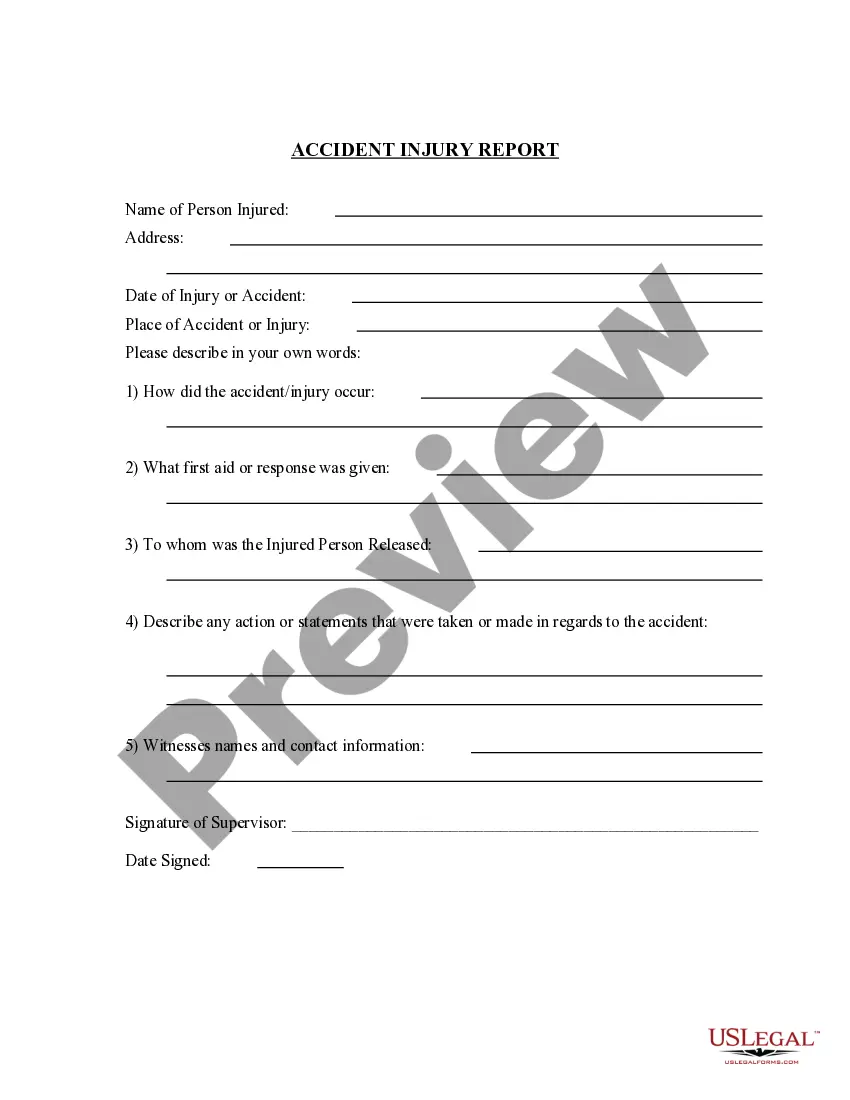
Letter Instruction Sample For Request In North Carolina
Description

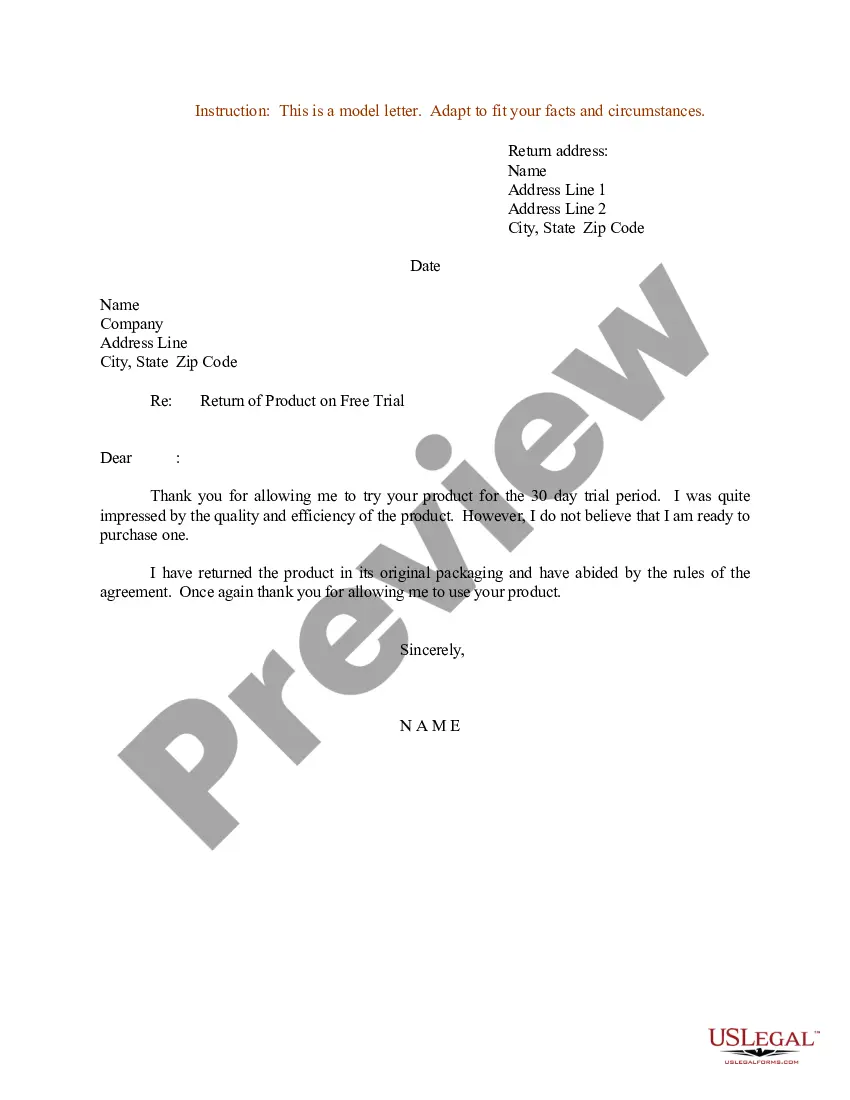
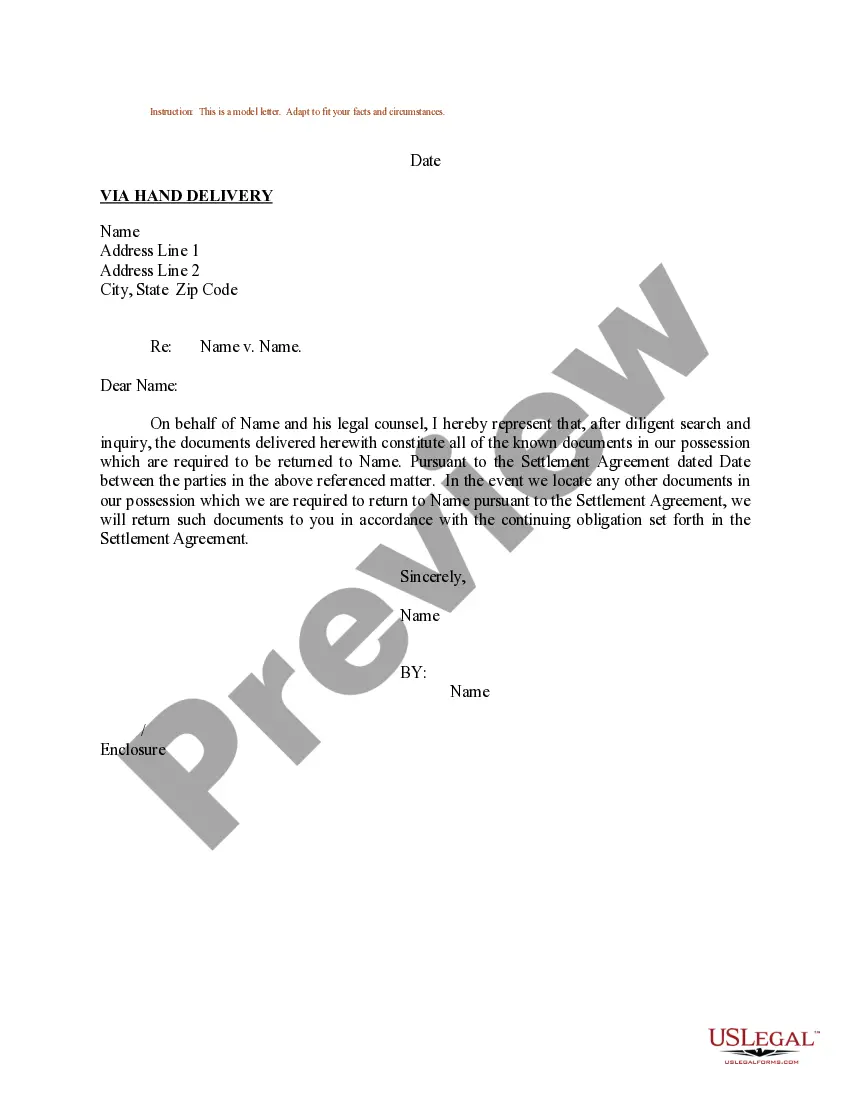
Get your form ready online
Our built-in tools help you complete, sign, share, and store your documents in one place.
Make edits, fill in missing information, and update formatting in US Legal Forms—just like you would in MS Word.
Download a copy, print it, send it by email, or mail it via USPS—whatever works best for your next step.
Sign and collect signatures with our SignNow integration. Send to multiple recipients, set reminders, and more. Go Premium to unlock E-Sign.
If this form requires notarization, complete it online through a secure video call—no need to meet a notary in person or wait for an appointment.
We protect your documents and personal data by following strict security and privacy standards.

Make edits, fill in missing information, and update formatting in US Legal Forms—just like you would in MS Word.

Download a copy, print it, send it by email, or mail it via USPS—whatever works best for your next step.

Sign and collect signatures with our SignNow integration. Send to multiple recipients, set reminders, and more. Go Premium to unlock E-Sign.

If this form requires notarization, complete it online through a secure video call—no need to meet a notary in person or wait for an appointment.

We protect your documents and personal data by following strict security and privacy standards.
Looking for another form?






Form popularity
FAQ
Intestate letters are called “Letters of Administration” and are granted to an Administrator. How do I begin the estate administration process and apply for letters? To formally begin the estate administration process, you will need to visit the clerk of court in the appropriate county.
Often this requires providing evidence such as birth certificates or marriage documents. What's more, you may need to provide proof that no will exists, which could take quite some time if all family members cannot be located quickly or if relatives disagree over who should apply for the letters.
Intestate letters are called “Letters of Administration” and are granted to an Administrator. How do I begin the estate administration process and apply for letters? To formally begin the estate administration process, you will need to visit the clerk of court in the appropriate county.
Here are six steps to write a letter of instruction: Create a header. Before you write the content of the letter, create a header at the top left-hand corner of the document. Address the reader. Explain the project or task. List each step. Conclude your letter. Revise the document.
Section 28A-19-1 - Manner of presentation of claims (a) A claim against a decedent's estate must be in writing and state the amount or item claimed, or other relief sought, the basis for the claim, and the name and address of the claimant; and must be presented by one of the following methods: (1) By delivery in person ...
Letters testamentary and letters of administration are legal documents issued by the clerk of court that give a person authority to serve as the personal representative of the estate. These “letters” will often be requested by institutions such as banks or insurance companies during estate administration.
An administrator may not sell realty without the court's permission. Further, Heirs must execute the deed for a valid transfer. The deed lists all heirs and their marital status; spouses of heirs must join in signing the deed to release homestead rights under North Carolina law.
A courthouse might send a certified letter for several reasons, including: Notification of Legal Proceedings: To inform individuals about upcoming court dates, hearings, or trials that they need to attend.
The terms “administrator and “executor” are often used interchangeably, but there's a subtle difference. An administrator can refer to anyone appointed to manage the affairs of a deceased person. An executor is a specific type of administrator named in a person's will to manage their estate after they pass away.