Letter Instruction Sample For Financial Assistance In Houston
Description

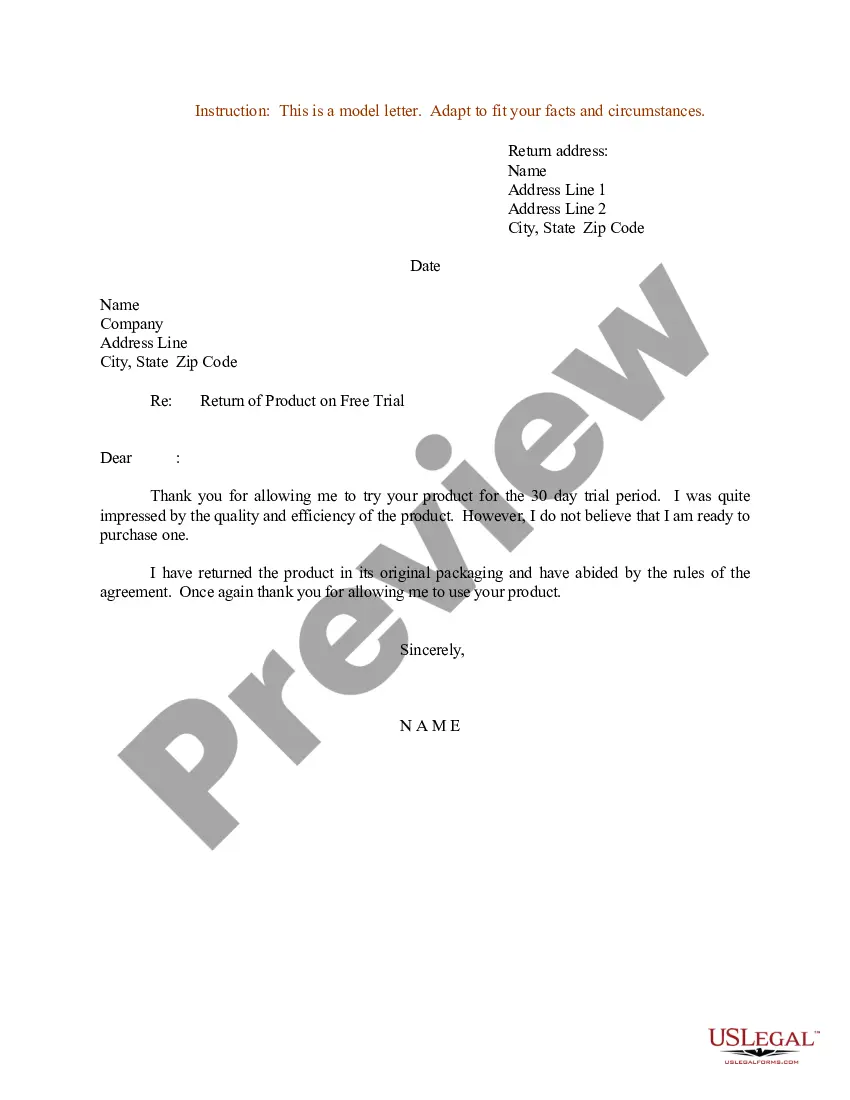
Get your form ready online
Our built-in tools help you complete, sign, share, and store your documents in one place.
Make edits, fill in missing information, and update formatting in US Legal Forms—just like you would in MS Word.
Download a copy, print it, send it by email, or mail it via USPS—whatever works best for your next step.
Sign and collect signatures with our SignNow integration. Send to multiple recipients, set reminders, and more. Go Premium to unlock E-Sign.
If this form requires notarization, complete it online through a secure video call—no need to meet a notary in person or wait for an appointment.
We protect your documents and personal data by following strict security and privacy standards.

Make edits, fill in missing information, and update formatting in US Legal Forms—just like you would in MS Word.

Download a copy, print it, send it by email, or mail it via USPS—whatever works best for your next step.

Sign and collect signatures with our SignNow integration. Send to multiple recipients, set reminders, and more. Go Premium to unlock E-Sign.

If this form requires notarization, complete it online through a secure video call—no need to meet a notary in person or wait for an appointment.

We protect your documents and personal data by following strict security and privacy standards.
Looking for another form?








Form popularity
FAQ
How to write a letter of instruction Create a header. Before you write the content of the letter, create a header at the top left-hand corner of the document. Address the reader. Explain the project or task. List each step. Conclude your letter. Revise the document.
A letter of instruction is an informal letter to an executor, personal representative, and/or other family members that provides important information about your assets and final wishes after death.
Estate Plan Letter of Instruction. Dear ______________ (Executor, Agent, Trustee, Loved One, Etc.) I am writing this letter to provide you with important information you will need to know in the event of my incapacity or death. Please refer to this letter for assistance as you deal with my affairs.
- Briefly introduce yourself and state the purpose of the letter. - Explain your situation and why you need financial support. - Provide any relevant details, such as your financial circumstances, goals, and how the funds will be used. - Thank the recipient for considering your request.
A letter of instruction is an informal letter to an executor, personal representative, and/or other family members that provides important information about your assets and final wishes after death.
It's a good way to let to those trusted to take care of your affairs know what you would want them to know. Since the letter of instruction is not a legal document, it does not need to be notarized or signed in the presence of witnesses or with any other special formality.
Here are six steps to write a letter of instruction: Create a header. Before you write the content of the letter, create a header at the top left-hand corner of the document. Address the reader. Explain the project or task. List each step. Conclude your letter. Revise the document.
Emphasize your dedication to your education and your academic performance. Mention any achievements or contributions to the school community. Clearly state what you are asking for (eg, reconsideration for a specific type of aid, an increase in award amount). Maintain a respectful tone throughout the letter.
It's not a replacement for a will, and in fact it's not even a legal document. But it can be incorporated into the necessary legal documents as a guide and the key to making sure everything is accounted for and accessible to the family members left behind.
Your letter of instruction should include add-on directions for anything you said in your will. Think of it as step-by-step instructions for the person settling your estate, written without all the legal jargon wills sometimes have.
