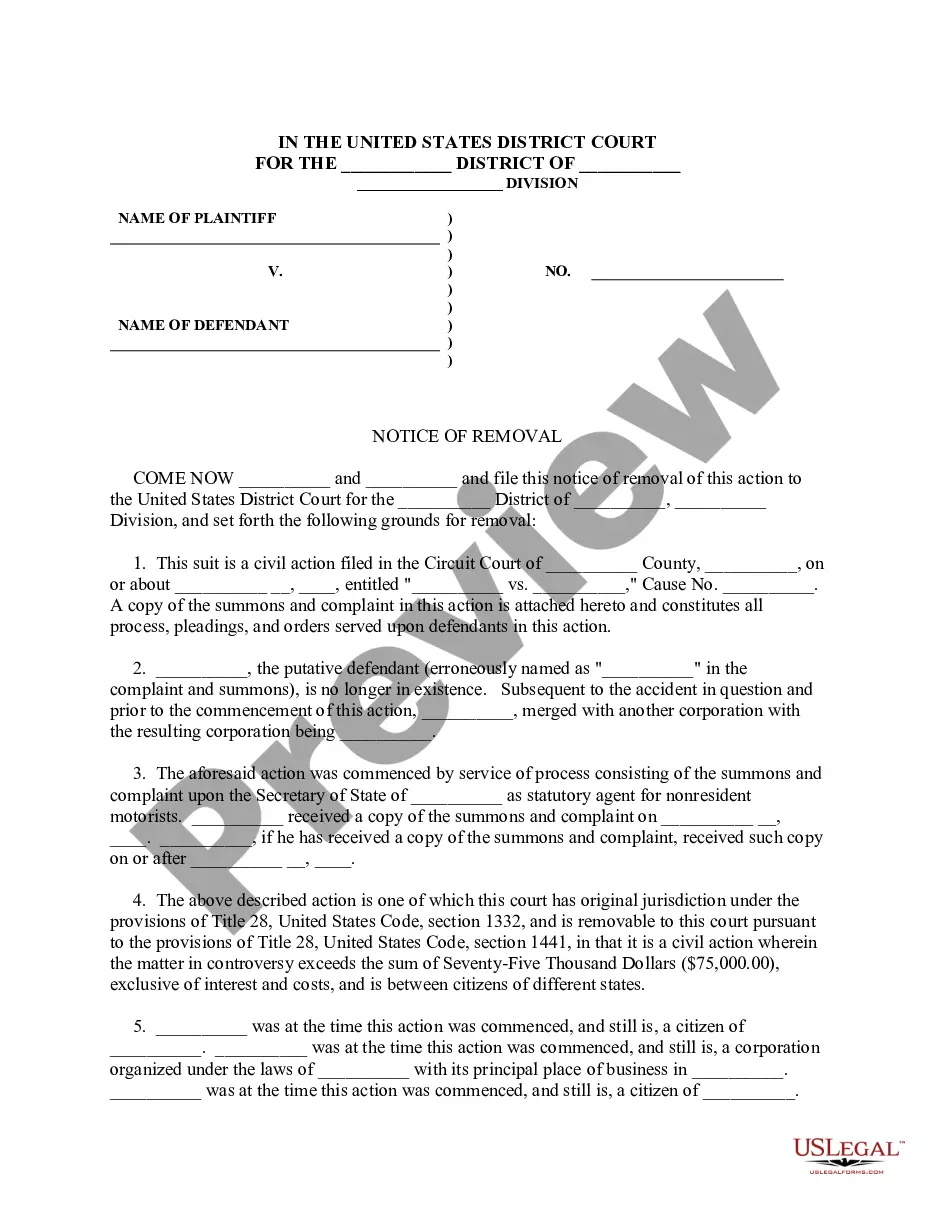
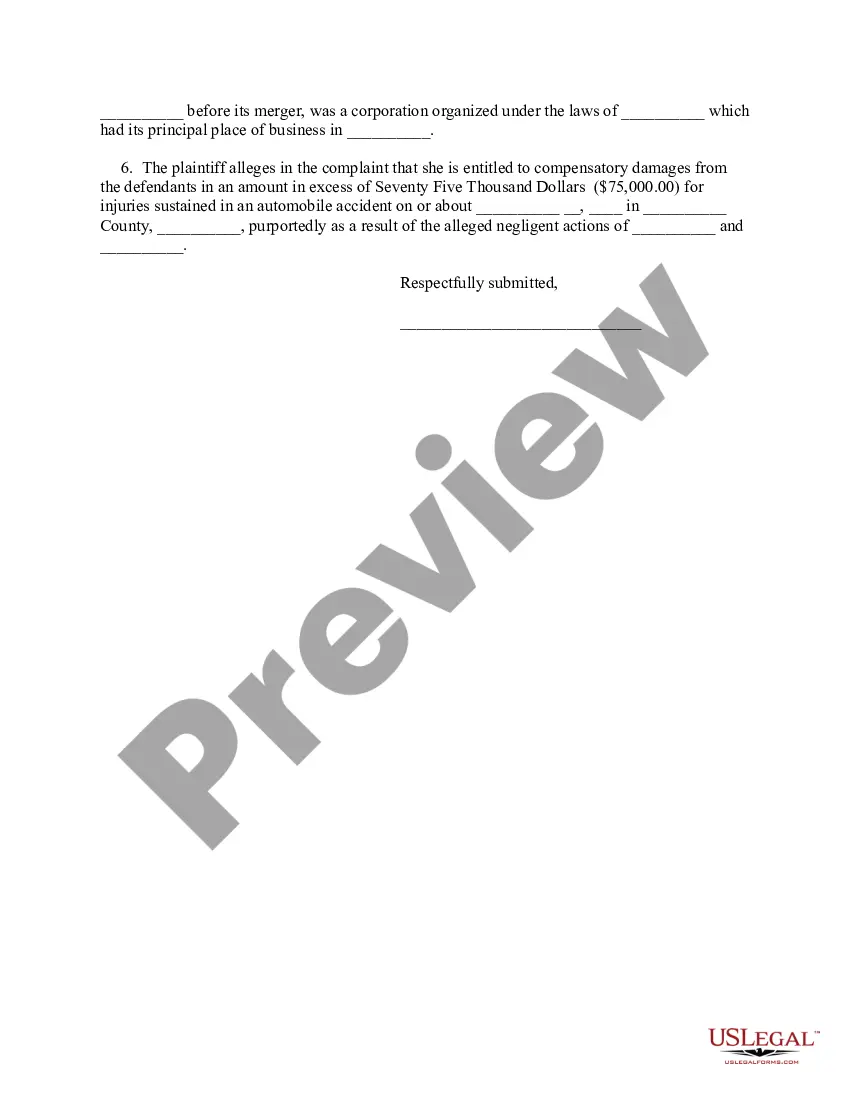
Notice Of Removal Template Foreclosure In Utah
Description
Get your form ready online
Our built-in tools help you complete, sign, share, and store your documents in one place.
Make edits, fill in missing information, and update formatting in US Legal Forms—just like you would in MS Word.
Download a copy, print it, send it by email, or mail it via USPS—whatever works best for your next step.
Sign and collect signatures with our SignNow integration. Send to multiple recipients, set reminders, and more. Go Premium to unlock E-Sign.
If this form requires notarization, complete it online through a secure video call—no need to meet a notary in person or wait for an appointment.
We protect your documents and personal data by following strict security and privacy standards.

Make edits, fill in missing information, and update formatting in US Legal Forms—just like you would in MS Word.

Download a copy, print it, send it by email, or mail it via USPS—whatever works best for your next step.

Sign and collect signatures with our SignNow integration. Send to multiple recipients, set reminders, and more. Go Premium to unlock E-Sign.

If this form requires notarization, complete it online through a secure video call—no need to meet a notary in person or wait for an appointment.

We protect your documents and personal data by following strict security and privacy standards.
Looking for another form?








Form popularity
FAQ
Although most defenses to a complaint must be stated in the answer, a defendant can move to dismiss the complaint before filing an answer. Motions to dismiss typically make one or more of these arguments: The court lacks the authority or jurisdiction to decide the case or to compel a defendant to appear.
Write your legal argument by stating the rule and explaining how your facts apply to it. Then, add your signature, a Certificate of Service, and a Notice of Hearing. File your motion with the clerk of court overseeing your case. Then, give copies to each defendant.
Writing a Persuasive Motion to Dismiss Be Clear and Concise: Use straightforward language and be diligent with proofreading. Stay Focused on the Legal Issues: Avoid unnecessary details and stick to the relevant legal arguments. Support Every Claim: Use statutes, case law, and rules of procedure to back up your points.
Defendants may move to dismiss on the following grounds: Lack of subject matter jurisdiction (FRCP 12(b)(1)Opens in a new window). Lack of personal jurisdiction (FRCP 12(b)(2)Opens in a new window). Improper venue (FRCP 12(b)(3)Opens in a new window).
A defendant or defendants desiring to remove any civil action from a State court shall file in the district court of the United States for the district and division within which such action is pending a notice of removal signed pursuant to Rule 11 of the Federal Rules of Civil Procedure and containing a short and plain ...
Steps to File a Motion to Dismiss Review the Complaint Thoroughly. Carefully read the plaintiff's complaint to identify any legal deficiencies. Research Relevant Laws and Precedents. Draft the Motion. Include a Conclusion. File the Motion with the Court.