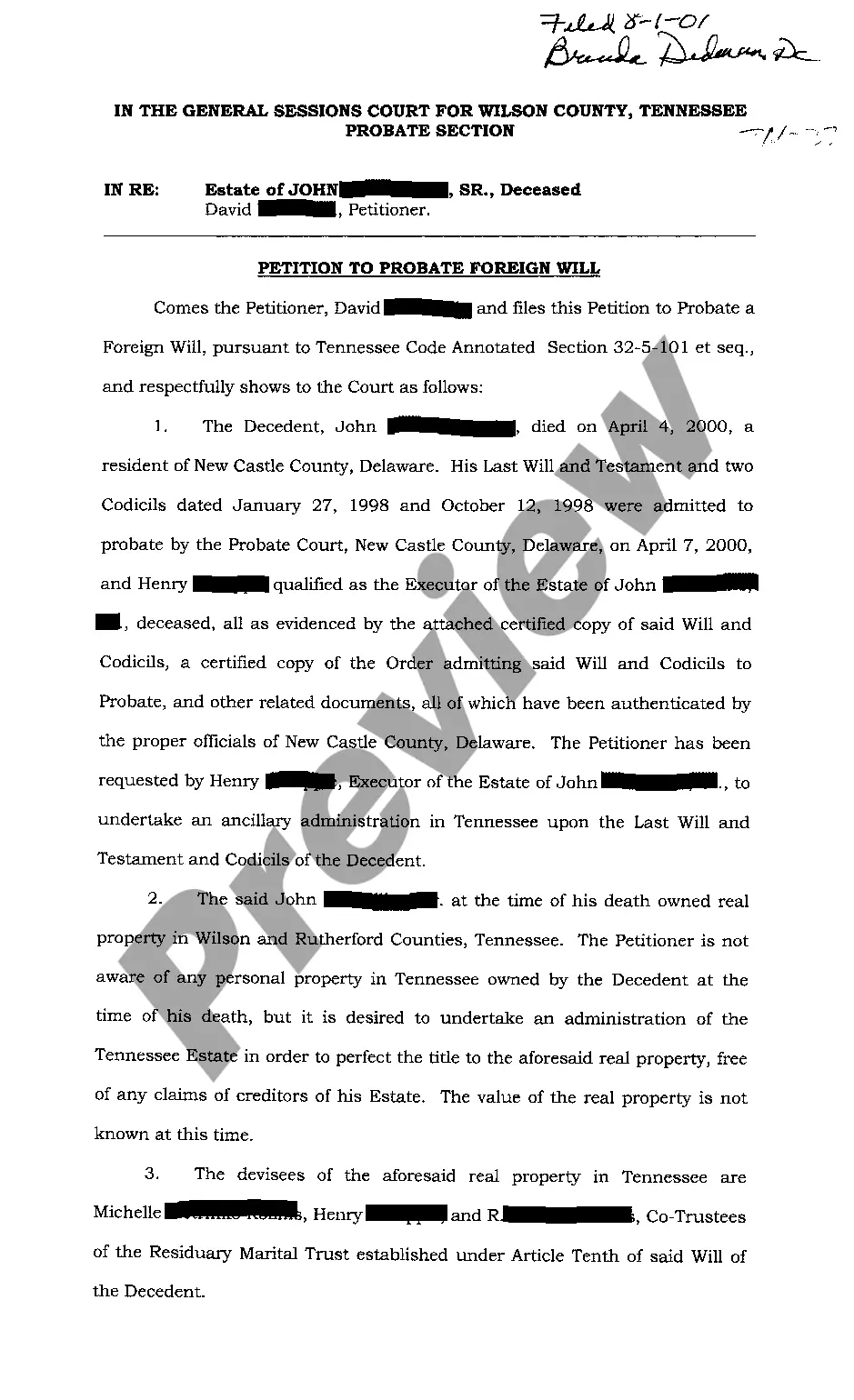
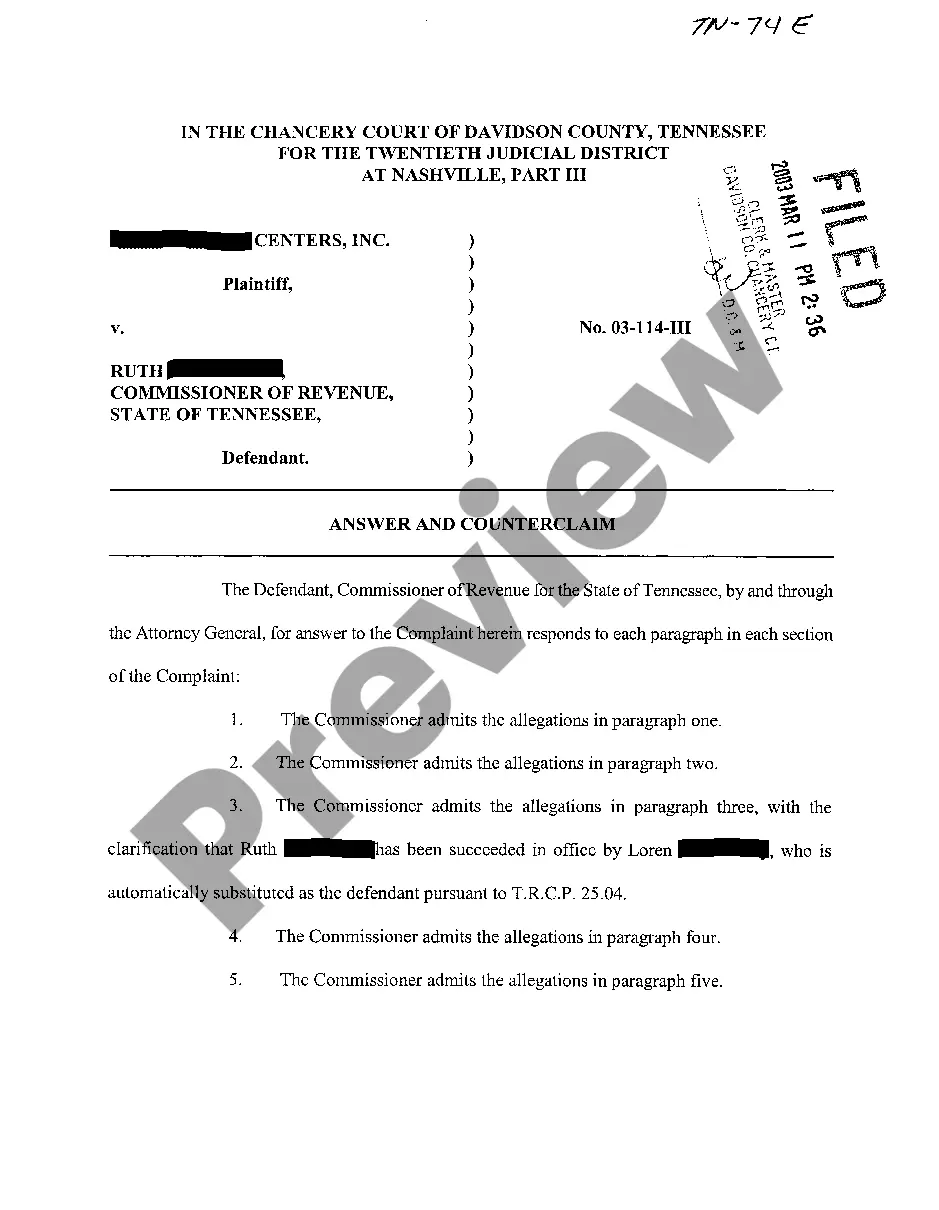
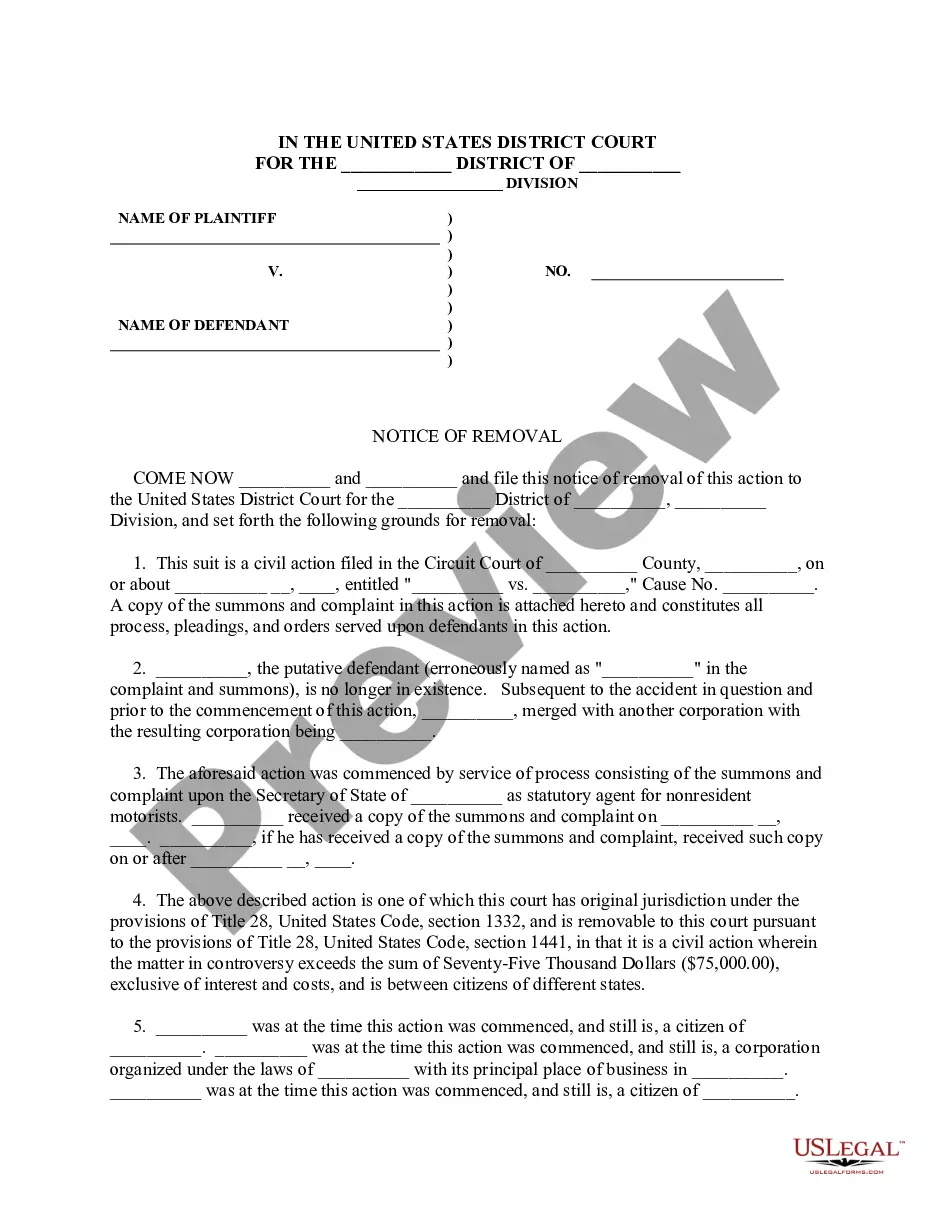
Notice Of Removal Template For Students In Ohio
Description

Get your form ready online
Our built-in tools help you complete, sign, share, and store your documents in one place.
Make edits, fill in missing information, and update formatting in US Legal Forms—just like you would in MS Word.
Download a copy, print it, send it by email, or mail it via USPS—whatever works best for your next step.
Sign and collect signatures with our SignNow integration. Send to multiple recipients, set reminders, and more. Go Premium to unlock E-Sign.
If this form requires notarization, complete it online through a secure video call—no need to meet a notary in person or wait for an appointment.
We protect your documents and personal data by following strict security and privacy standards.

Make edits, fill in missing information, and update formatting in US Legal Forms—just like you would in MS Word.

Download a copy, print it, send it by email, or mail it via USPS—whatever works best for your next step.

Sign and collect signatures with our SignNow integration. Send to multiple recipients, set reminders, and more. Go Premium to unlock E-Sign.

If this form requires notarization, complete it online through a secure video call—no need to meet a notary in person or wait for an appointment.

We protect your documents and personal data by following strict security and privacy standards.
Looking for another form?





Form popularity
FAQ
The due process hearing is a formal proceeding that is conducted by the impartial hearing officer. Each side presents information through witnesses and evidence. The district will be represented by an attorney. Parents may represent themselves or be represented by an attorney.
Schools are required to provide a notice of the intent to suspend or expel, and a date and time to appear before school administration to dispute the reason for the intended suspension or otherwise explain the student's actions. The time to appear is to be scheduled between three to five days after the notice is given.
In Ohio, students must be at least 18 years old to drop out of school without parental consent. Since you are 17, you will need permission from a parent or guardian to officially withdraw. Have a conversation with your parents or guardians about your decision.
Ohio law states a public school may suspend a student from school for a period not to exceed ten school days. Public schools may expel a student from school for a period not to exceed eighty school days or the number of school days remaining in the semester or term.
Parents have a right to appeal expulsions to the board of education. Even though a pupil is expelled, the superintendent may agree to provide educational services to the student in an alternative setting. Most public school districts will honor the suspensions and expulsions of other public school districts.
Withdrawal from traditional public or private schools: A notification form, available here, needs to be filled out and sent certified mail (return receipt requested) to the superintendent of your city, county, or exempted village school district within a week of withdrawing from school.
If a student's presence poses a continuing danger to persons or property, or an ongoing threat of disrupting the academic process taking place either in a classroom or elsewhere on school premises, then the Superintendent, Principal or assistant Principal may remove the student from curricular activities or from the ...
A defendant or defendants desiring to remove any civil action from a State court shall file in the district court of the United States for the district and division within which such action is pending a notice of removal signed pursuant to Rule 11 of the Federal Rules of Civil Procedure and containing a short and plain ...
The first step of a civil lawsuit involves the plaintiff filing a 'complaint,' a legal document that outlines the basics of the case. The complaint accuses the defendant of wrongdoing and attempts to lay out the case. The complaint is then filed with the court.
Except for motions made during a hearing or during trial, motions are required to be in writing. They must also be filed in court and served on the opposing party's attorney (or the party if not represented by counsel). If the motion is contested, the opposing attorneys will also file papers opposing the motion.