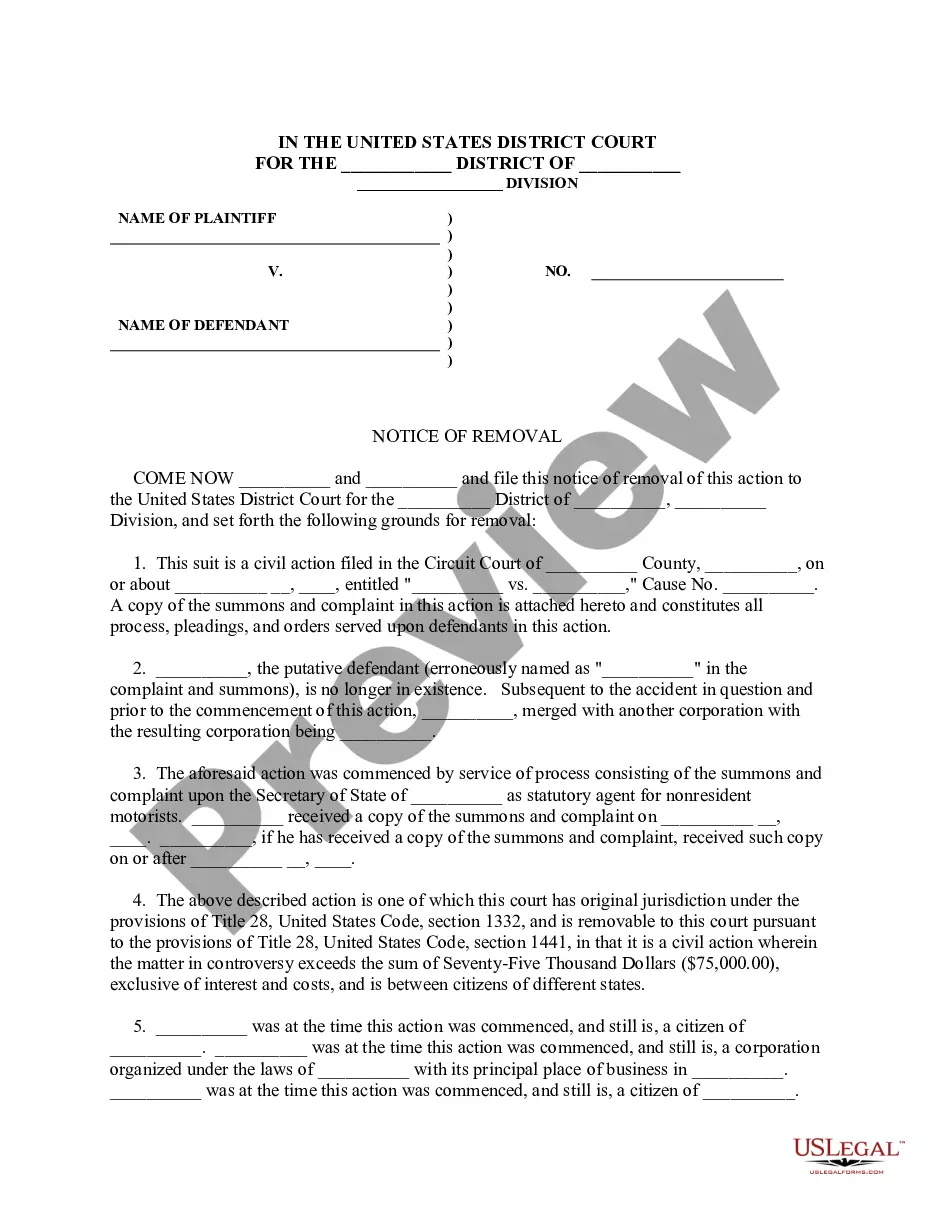
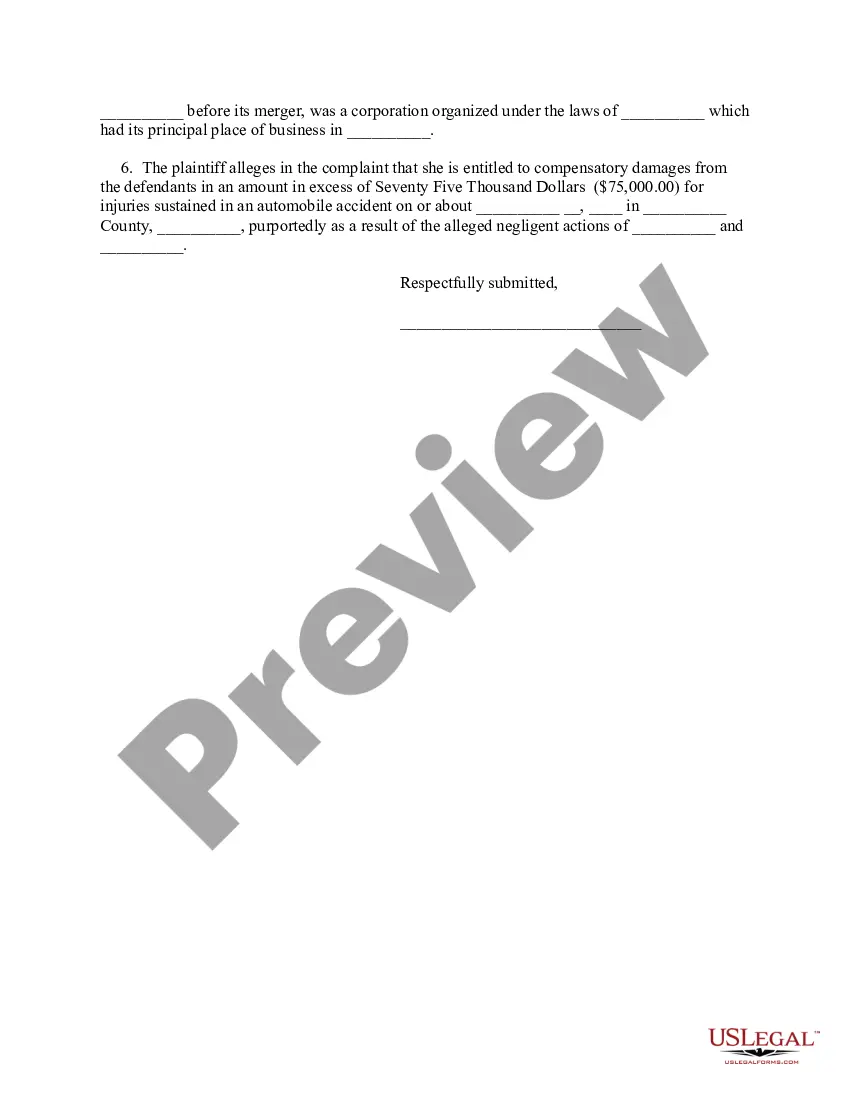
Notice Of Removal Template Format In Harris
Description
Get your form ready online
Our built-in tools help you complete, sign, share, and store your documents in one place.
Make edits, fill in missing information, and update formatting in US Legal Forms—just like you would in MS Word.
Download a copy, print it, send it by email, or mail it via USPS—whatever works best for your next step.
Sign and collect signatures with our SignNow integration. Send to multiple recipients, set reminders, and more. Go Premium to unlock E-Sign.
If this form requires notarization, complete it online through a secure video call—no need to meet a notary in person or wait for an appointment.
We protect your documents and personal data by following strict security and privacy standards.

Make edits, fill in missing information, and update formatting in US Legal Forms—just like you would in MS Word.

Download a copy, print it, send it by email, or mail it via USPS—whatever works best for your next step.

Sign and collect signatures with our SignNow integration. Send to multiple recipients, set reminders, and more. Go Premium to unlock E-Sign.

If this form requires notarization, complete it online through a secure video call—no need to meet a notary in person or wait for an appointment.

We protect your documents and personal data by following strict security and privacy standards.
Looking for another form?




Form popularity
FAQ
The two most well-known bases for federal court subject-matter jurisdiction are: Federal question jurisdiction: The case arises under the US Constitution or a federal statute; and. Diversity jurisdiction: The plaintiff(s) and defendant(s) are from different states, and the amount in controversy is at least $75,000.
Objections to Removal (§ 1447) Parties have 30 days to object to removal, unless the objection concerns subject-matter jurisdiction, which may be challenged at any time. If it turns out that removal was improper, the case is simply remanded to the state court.
Procedurally, it is simple. The defendant files a motion to remove in federal court, a notice to the same effect in state court, and gives notice to all the parties. The case is then docketed in federal court and proceeds there.
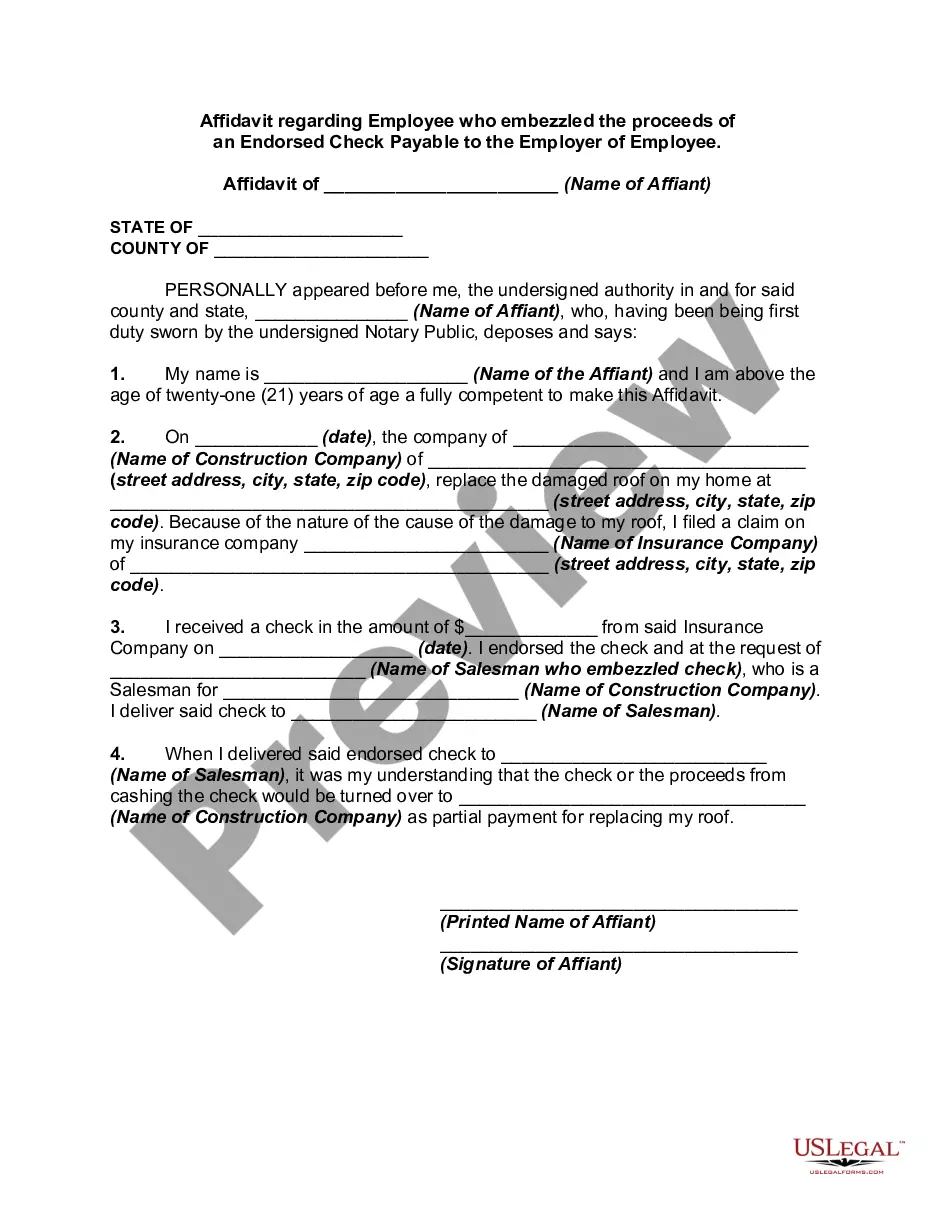
An affidavit of non-prosecution serves as a formal declaration by the alleged victim that they do not wish to participate in the prosecution process. This document can be submitted to the prosecutor's office or the court as evidence of the victim's intentions not to cooperate. It must be notarized.
How do I request a subpoena? To file a subpoena request, you must log in at .hcdistrictclerk with your user name and password. Once you have logged in, click on the e-Subpoena icon on the home page. Once on the e-Subpoena filing page, you will begin completing the subpoena request.
Releases of Liens can be filed in person or by mail in the Real Property Department. The nine annex offices can accept them for filing, however it may take 5 -7 business days to be filed based upon delivery of the work to the downtown office.
Each defendant shall have 30 days after receipt by or service on that defendant of the initial pleading or summons described in paragraph (1) to file the notice of removal.
The magic trick for plaintiffs seeking to avoid removal of their case to federal court is to plead only state claims (to avoid federal question removal) and sue at least one party from the same state (to avoid diversity removal).
Harris County Constable Precinct 1 - Civil Process Writ of Execution: A court order that instructs the office to collect a debt owed. Writ of Sequestration: A court order that instructs the office to sequester or pick up personal property (vehicle, furniture, etc.)
In Texas, it is possible to divorce without appearing in Court or by just appearing one time to finalize the divorce. To achieve this, the divorce must be amicable, and both parties should be represented by skilled attorneys who help them to mediate their differences and arrive at amicable agreements.