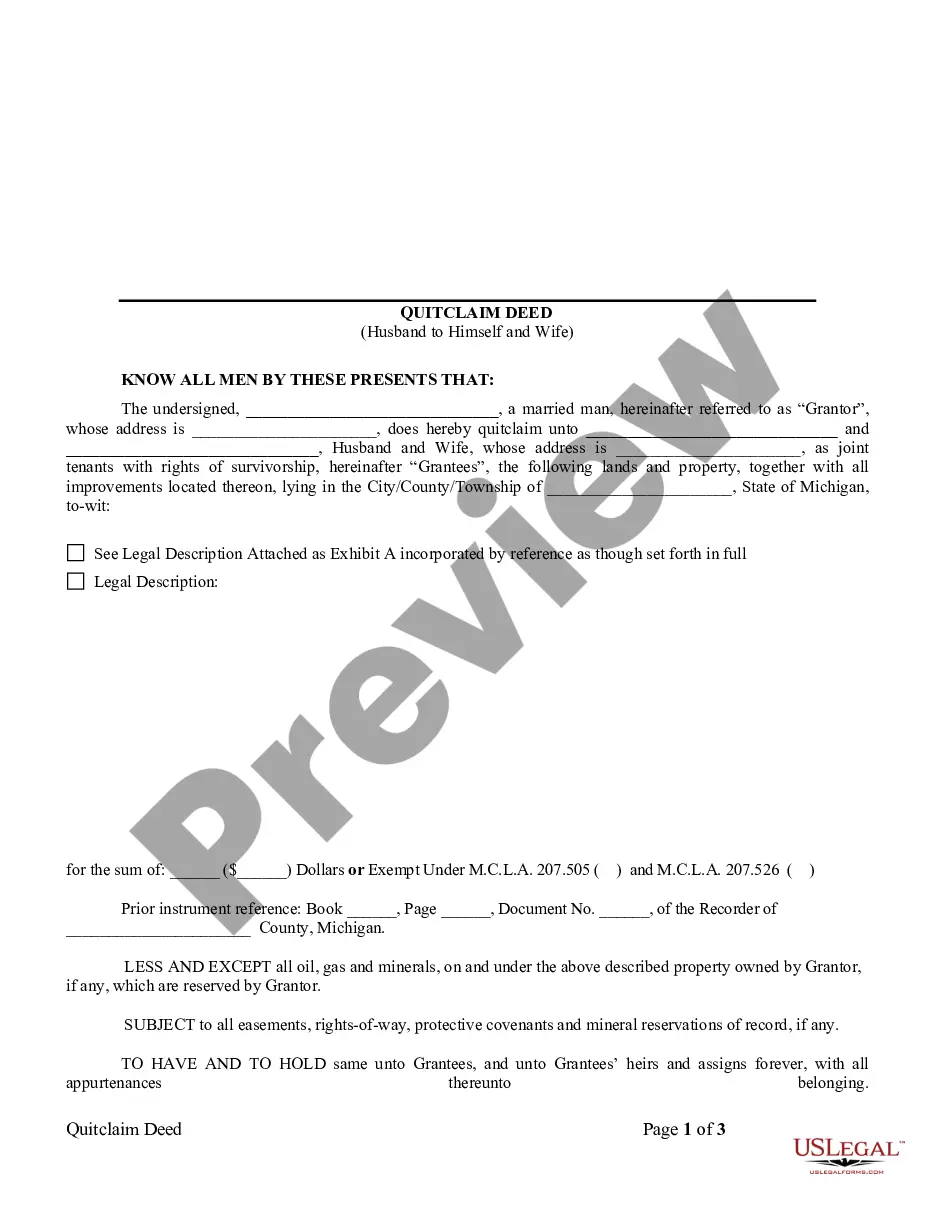
Acknowledgement With Or Without E In San Antonio
Description


Get your form ready online
Our built-in tools help you complete, sign, share, and store your documents in one place.
Make edits, fill in missing information, and update formatting in US Legal Forms—just like you would in MS Word.
Download a copy, print it, send it by email, or mail it via USPS—whatever works best for your next step.
Sign and collect signatures with our SignNow integration. Send to multiple recipients, set reminders, and more. Go Premium to unlock E-Sign.
If this form requires notarization, complete it online through a secure video call—no need to meet a notary in person or wait for an appointment.
We protect your documents and personal data by following strict security and privacy standards.

Make edits, fill in missing information, and update formatting in US Legal Forms—just like you would in MS Word.

Download a copy, print it, send it by email, or mail it via USPS—whatever works best for your next step.

Sign and collect signatures with our SignNow integration. Send to multiple recipients, set reminders, and more. Go Premium to unlock E-Sign.

If this form requires notarization, complete it online through a secure video call—no need to meet a notary in person or wait for an appointment.

We protect your documents and personal data by following strict security and privacy standards.
Looking for another form?




Form popularity
FAQ
Acknowledgement is a noun that means “recognition” (e.g., “Phil's bonus was in acknowledgement/recognition of his successful campaign”). Acknowledgement is spelled differently in British English (acknowledgement) and American English (acknowledgment).
It is spelled 'acknowledgement' in British English and 'acknowledgment' in American English.
While “acknowledgement” includes an extra “e” and aligns with British English, “acknowledgment” is the preferred spelling in American English.
Acknowledging receipt: Used in a full sentence, "acknowledging receipt" means you're letting the sender of a message know that you have read and received its contents, including any information and documents attached to it.
Acknowledgement is spelled differently in British English (acknowledgement) and American English (acknowledgment). If you are following a style guide, then make sure you use the correct form. If you are not following a guide, then the important thing is to be consistent in your use of British or American spellings.
Both acknowledgement and acknowledgment are correct. The former is commonly used in regions using British English, while the latter is the spelling favored by countries using American English.
I'm extremely grateful to (Something—my success, the completion of my dissertation) would not have been possible without the support and nurturing of (person). I cannot begin to express my thanks to …., who …. Less strong, but very appreciative: I would like to extend my sincere thanks to …/ I must also thank …
Both acknowledgement and acknowledgment are correct. The former is commonly used in regions using British English, while the latter is the spelling favored by countries using American English.
For an affirmation: “Do you solemnly state, under penalty of perjury, that the evidence that you shall give in this issue (or matter) shall be the truth, the whole truth, and nothing but the truth?” (Code of Civil Procedure 2094a).
Given under my hand and seal of office this __________ day of __________, (year). This instrument was acknowledged before me on (date) by (name or names of person or persons acknowledging).