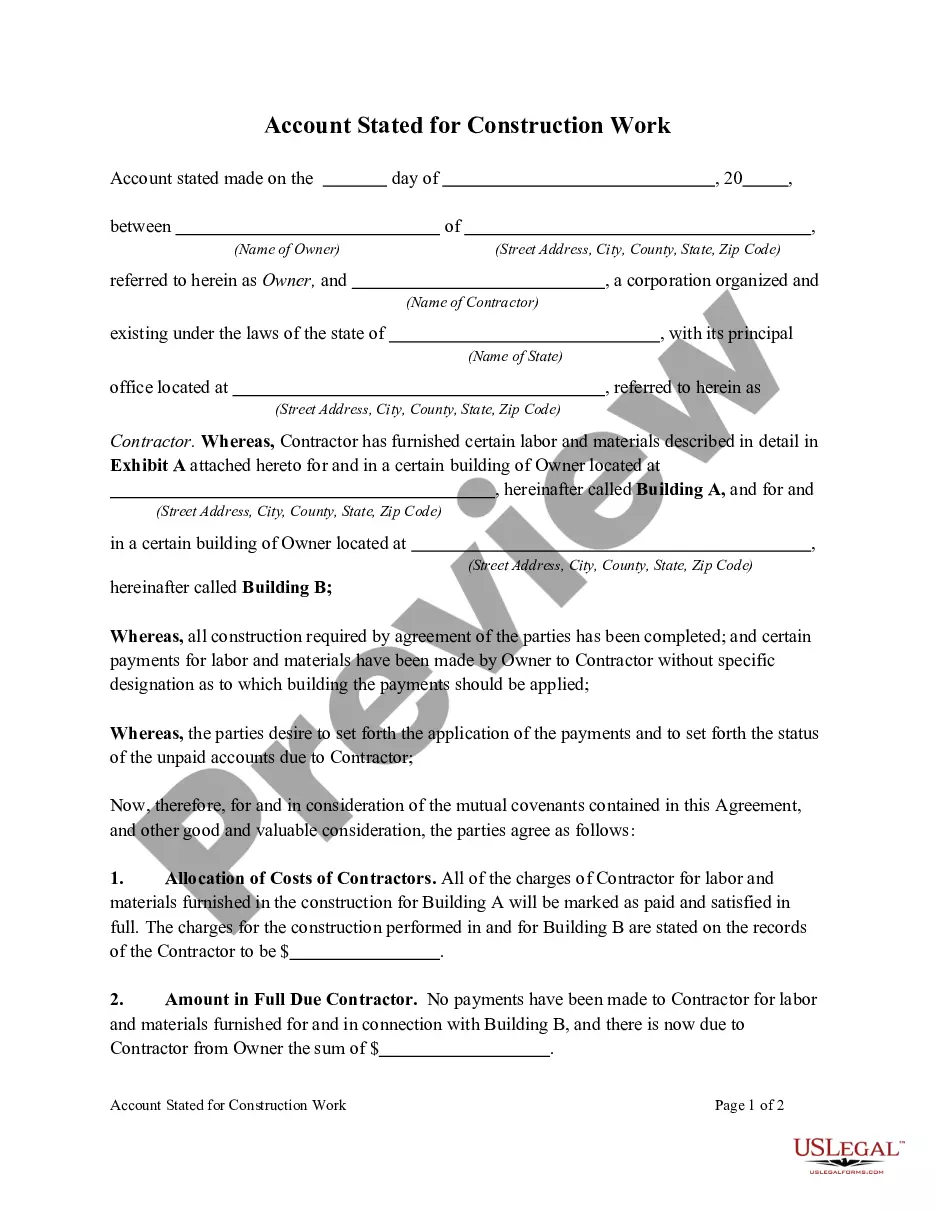
Account Stated Statement For Visa Application In Minnesota
Description
Get your form ready online
Our built-in tools help you complete, sign, share, and store your documents in one place.
Make edits, fill in missing information, and update formatting in US Legal Forms—just like you would in MS Word.
Download a copy, print it, send it by email, or mail it via USPS—whatever works best for your next step.
Sign and collect signatures with our SignNow integration. Send to multiple recipients, set reminders, and more. Go Premium to unlock E-Sign.
If this form requires notarization, complete it online through a secure video call—no need to meet a notary in person or wait for an appointment.
We protect your documents and personal data by following strict security and privacy standards.

Make edits, fill in missing information, and update formatting in US Legal Forms—just like you would in MS Word.

Download a copy, print it, send it by email, or mail it via USPS—whatever works best for your next step.

Sign and collect signatures with our SignNow integration. Send to multiple recipients, set reminders, and more. Go Premium to unlock E-Sign.

If this form requires notarization, complete it online through a secure video call—no need to meet a notary in person or wait for an appointment.

We protect your documents and personal data by following strict security and privacy standards.
Looking for another form?




Form popularity
FAQ
Apply or Petition for appointment as Personal Representative. Although a Personal Representative (PR) may be nominated in a Will, he or she does not actually become the Personal Representative until they are appointed by the court as part of a process known as Probate.
A Summons and Complaint may be served upon you personally, left at your residence with someone who resides with you who is of “suitable age and discretion”, or served by mail if you sign and return a document called “Acknowledgment of Service.”
An Account Stated establishes an implied contract, whereas a breach of contract traditionally refers to an expressly written contract. Account Stated is used when no contract exists or when the plaintiff cannot prove the existence of the contract.
Minnesota law requires that claims be filed within a certain creditor's claims period. This time period is usually limited to four months from the date of the Notice to Creditors issued in the case. The Notice to Creditors should be in the court file.