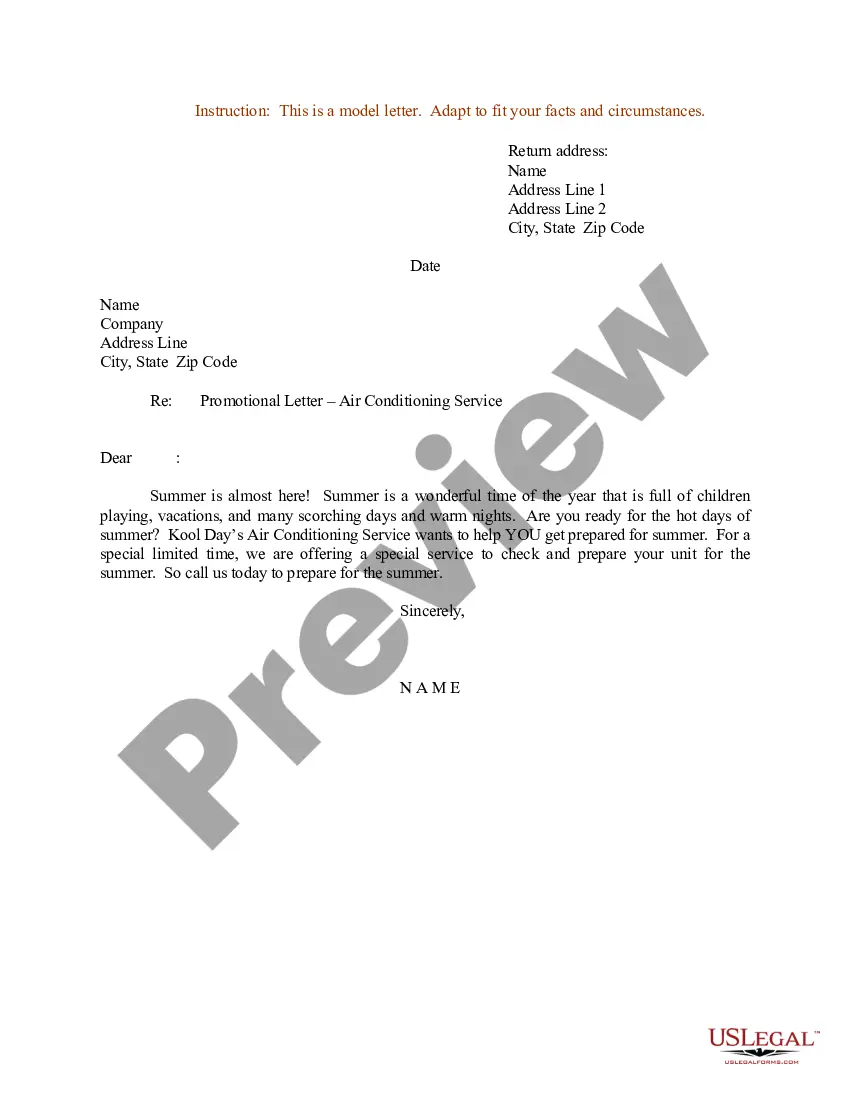
Service Of Interrogatories Federal Rules In Wayne
Description


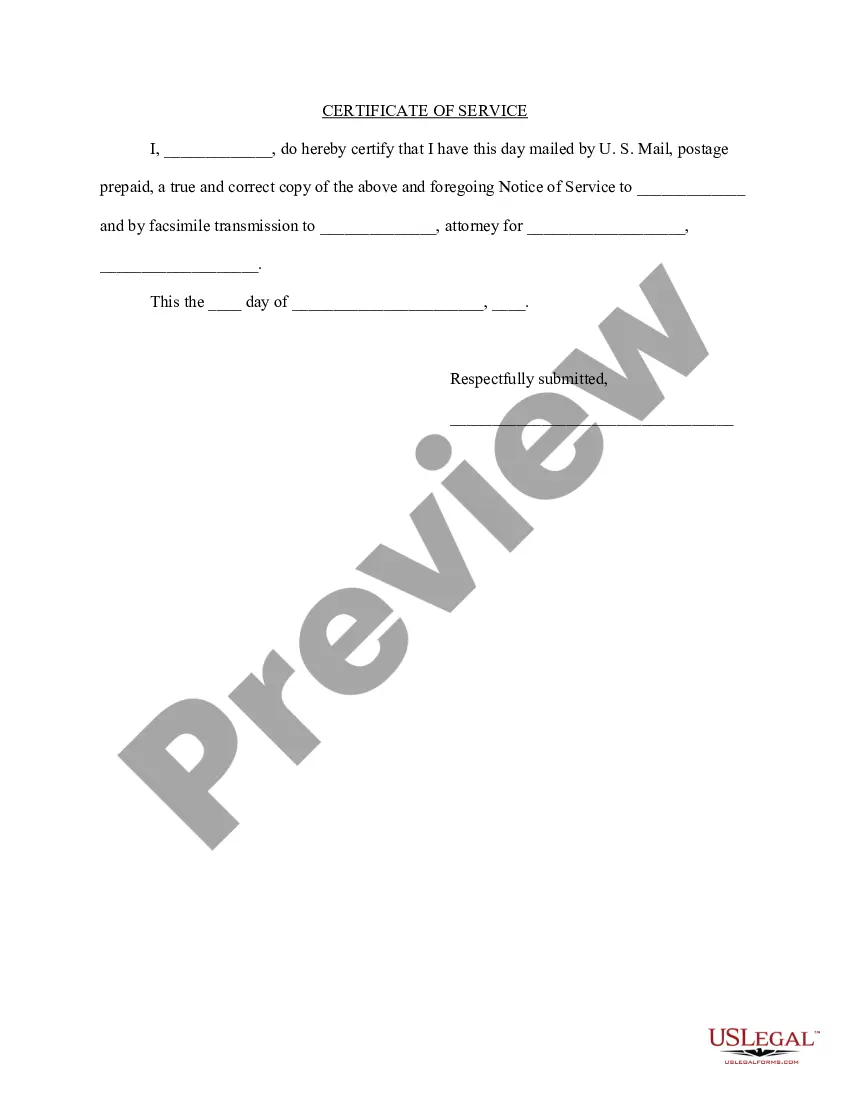
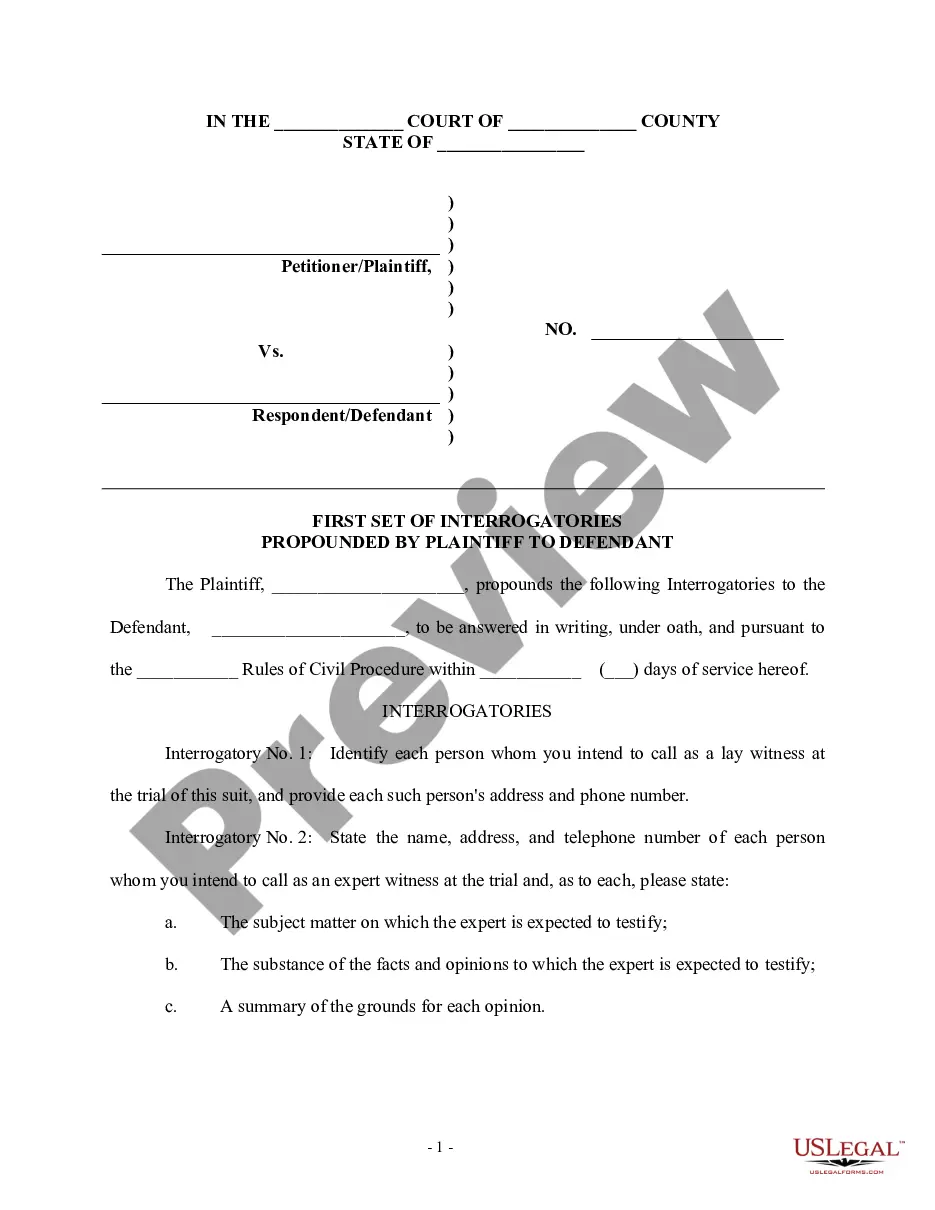
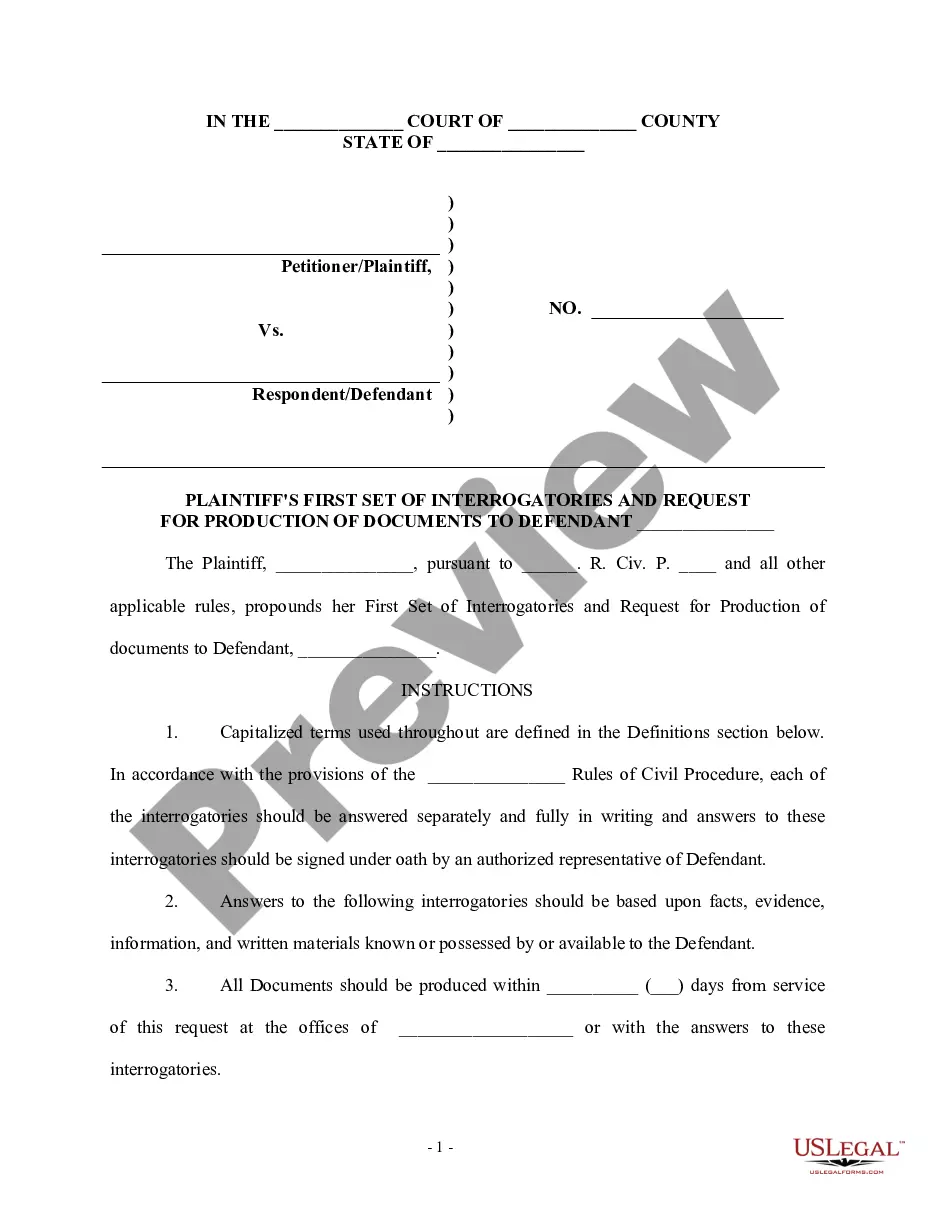
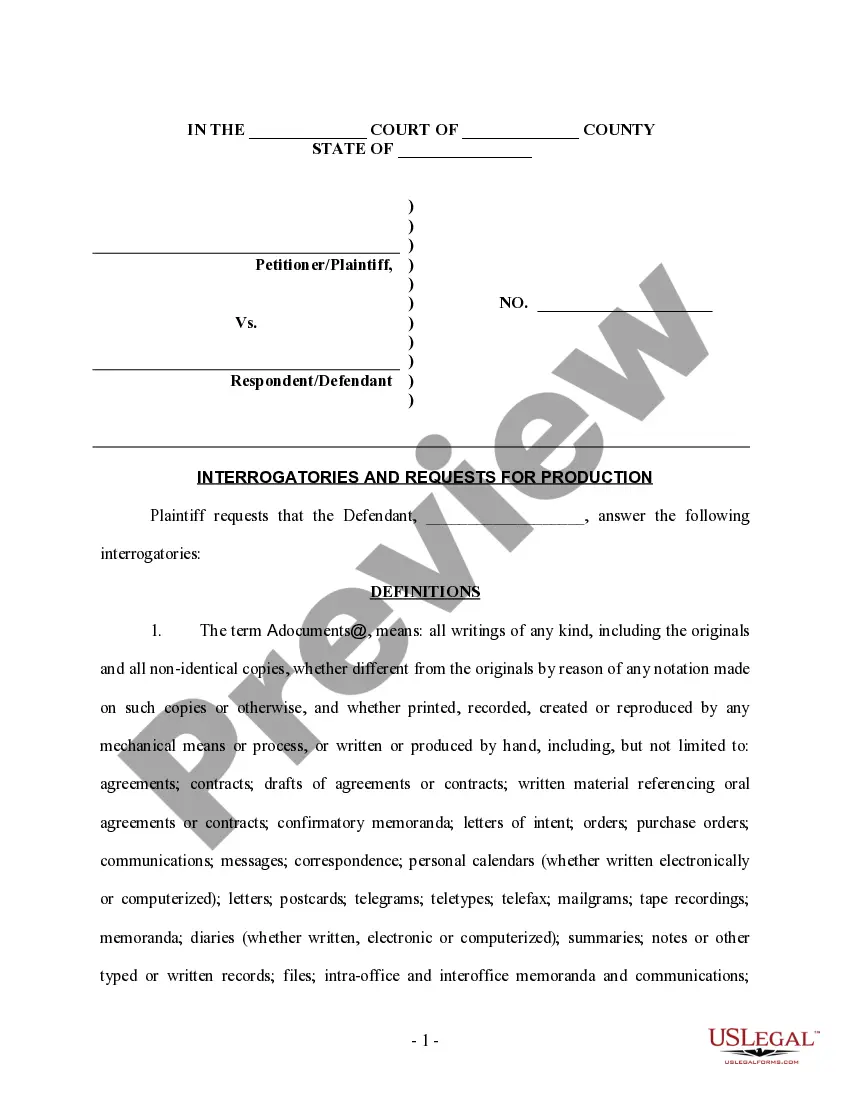
Get your form ready online
Our built-in tools help you complete, sign, share, and store your documents in one place.
Make edits, fill in missing information, and update formatting in US Legal Forms—just like you would in MS Word.
Download a copy, print it, send it by email, or mail it via USPS—whatever works best for your next step.
Sign and collect signatures with our SignNow integration. Send to multiple recipients, set reminders, and more. Go Premium to unlock E-Sign.
If this form requires notarization, complete it online through a secure video call—no need to meet a notary in person or wait for an appointment.
We protect your documents and personal data by following strict security and privacy standards.

Make edits, fill in missing information, and update formatting in US Legal Forms—just like you would in MS Word.

Download a copy, print it, send it by email, or mail it via USPS—whatever works best for your next step.

Sign and collect signatures with our SignNow integration. Send to multiple recipients, set reminders, and more. Go Premium to unlock E-Sign.

If this form requires notarization, complete it online through a secure video call—no need to meet a notary in person or wait for an appointment.

We protect your documents and personal data by following strict security and privacy standards.
Looking for another form?


Form popularity
FAQ
Contention interrogatories are permissible in federal court. See Court Opinions. FRCP 33(a)(2) provides that an interrogatory is not objectionable merely because it asks for an opinion or contention that relates to fact or the application of law to fact.
Interrogatories and the answers to interrogatories are generally not admissible as evidence in court. However, the information that is revealed through interrogatories can be used to prepare for trial and to identify potential witnesses or evidence that may be introduced at trial.
Answer: Unless the Disclosure/Discovery Document/Subpoena is filed in connection with a motion or otherwise ordered by the court, it is not filed in the record. Local and federal rules do not allow for routine filing of discovery including disclosures under F.R.
Interrogatories are governed by Rule 33. There are no Form Interrogatories (or Special Interrogatories) in federal court; they are simply called Interrogatories. The Rule limits a party to serving no more than 25 interrogatories “including all discrete subparts” on any other party. (Rule 33(a)(1).)
Unless leave of court is obtained, interrogatories may not be served prior to the meeting of the parties under Rule 26(f).
Interrogatories are governed by Federal Rule of Civil Procedure 33 and the corresponding Local Rules of the Central District of California. They are best used to get answers to the following questions in your case: Who? (did something, had possession of something, had knowledge of an event, etc.)
Good evening. There are two things to remember when answering interrogatories...i) answer only the exact question asked with as few words as possible without expanding on anything; and ii) answer as irrelevant anything you don't really want to address.
Read each question (interrogatory) very carefully. Answer only the question that is asked, and avoid the temptation to over-explain your answer. If the question contains several parts, you may break your answer into parts as well. It is also possible that you might object to the question.
Usually, lawyers use interrogatories to obtain detailed information about persons, corporations, facts, witnesses, and identity and locations of records and documents. Court rules usually limit the number of questions included in an interrogatory.
How to fill out Form Interrogatories Fill in basic information at the top of the form. Provide basic information about your case. Select the questions. On Page 2, check the box next to each question you want to ask your spouse to answer. Make copies. Make 1 copy of the completed Form Interrogatories – Family Law.