Notice Discovery Template Fortinet _all_ In Virginia
Description

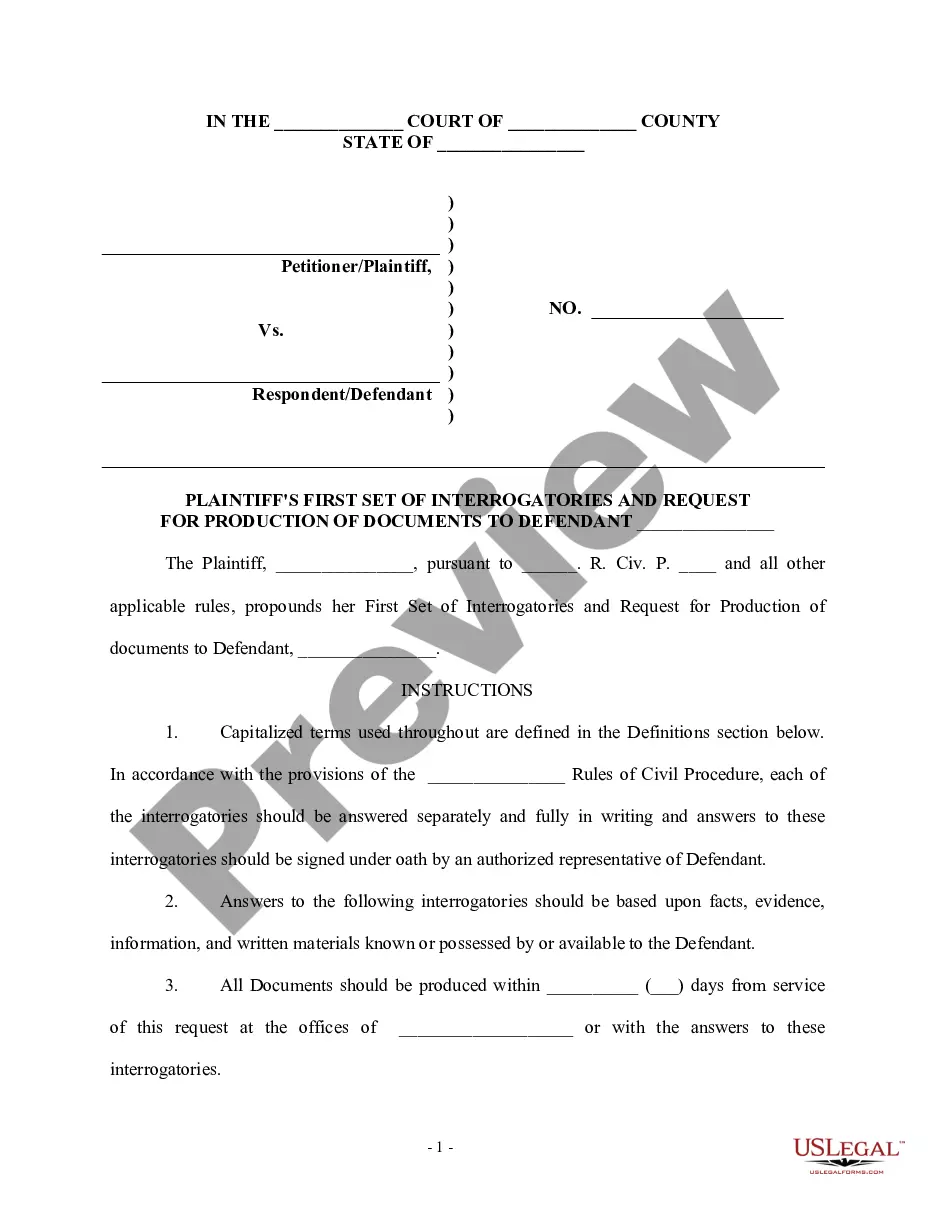
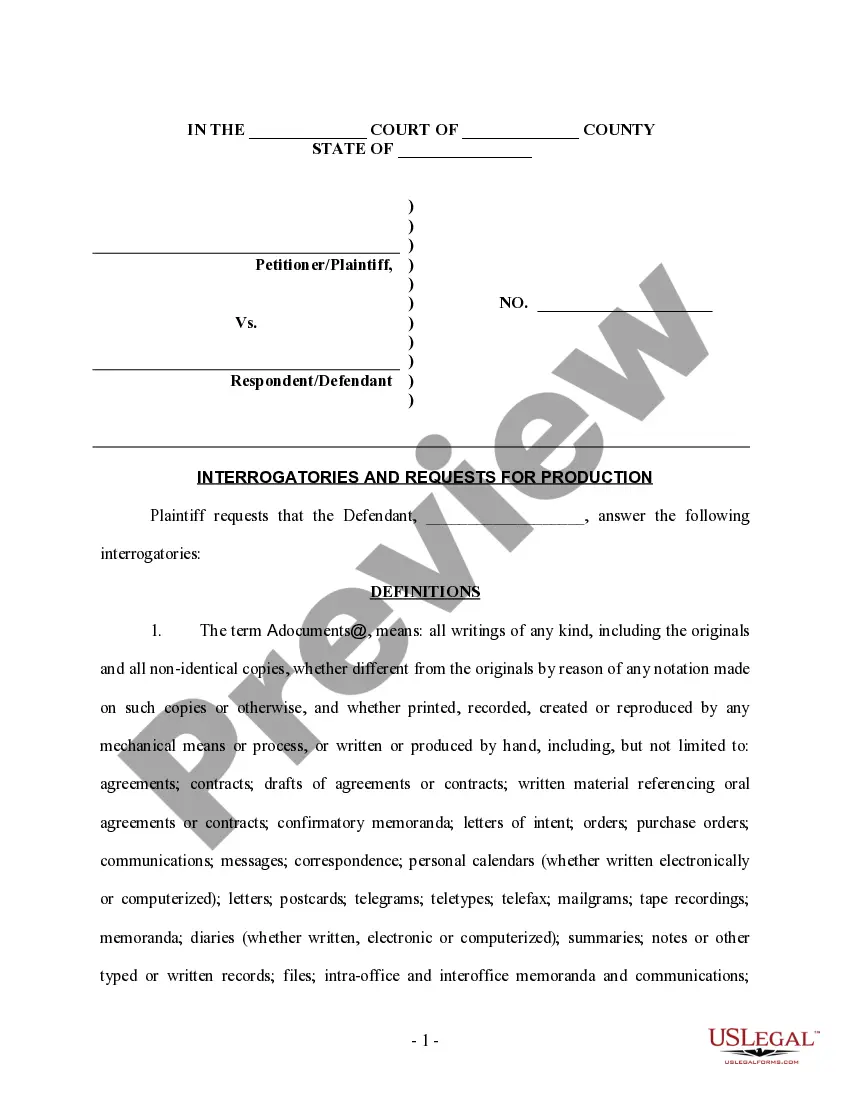
Get your form ready online
Our built-in tools help you complete, sign, share, and store your documents in one place.
Make edits, fill in missing information, and update formatting in US Legal Forms—just like you would in MS Word.
Download a copy, print it, send it by email, or mail it via USPS—whatever works best for your next step.
Sign and collect signatures with our SignNow integration. Send to multiple recipients, set reminders, and more. Go Premium to unlock E-Sign.
If this form requires notarization, complete it online through a secure video call—no need to meet a notary in person or wait for an appointment.
We protect your documents and personal data by following strict security and privacy standards.

Make edits, fill in missing information, and update formatting in US Legal Forms—just like you would in MS Word.

Download a copy, print it, send it by email, or mail it via USPS—whatever works best for your next step.

Sign and collect signatures with our SignNow integration. Send to multiple recipients, set reminders, and more. Go Premium to unlock E-Sign.

If this form requires notarization, complete it online through a secure video call—no need to meet a notary in person or wait for an appointment.

We protect your documents and personal data by following strict security and privacy standards.
Looking for another form?










Form popularity
FAQ
To register the FortiGate on the FortiCloud support portal: Go to support.fortinet and log in using your FortiCloud account credentials. If you do not have an account, click Register to create one. Click Asset > Register/Activate.
To view raw logs, in the log message list view toolbar, click Tools > Display Raw. To switch back to formatted log view, click Tools > Formatted Log. For more information about FortiGate raw logs, see the FortiGate Log Message Reference in the Fortinet Document Library.
To view logs: Go to Administration > Log Viewer. Click the Filter icon in each column heading to apply filters.
How to Read Firewall Logs Step 1: Verify the IP and port details. The IP addresses and port numbers in a firewall log are the first things you should check. Step 2: Recognize the Section on Action. A log's “action” section describes the firewall's actions about the traffic. Step 3: Use Source and Destination Filters.
Log in to the FortiGate GUI with Super-Admin privilege. Click Log and Report. Click Forward Traffic, or Local Traffic. Double-click on an Event to view Log Details. Verify traffic log events contain source and destination IP addresses, and interfaces.
Open the FortiGate GUI, go to 'Log & Report' and choose what log file to be exported. Hover to the top left part of the table and click the Gear button. The word 'Export' should be seen and choose what format to be downloaded, either 'CSV' or 'JSON' can be selected. File will automatically be downloaded in chosen (.