Notice Discovery Template For Product In Santa Clara
Description

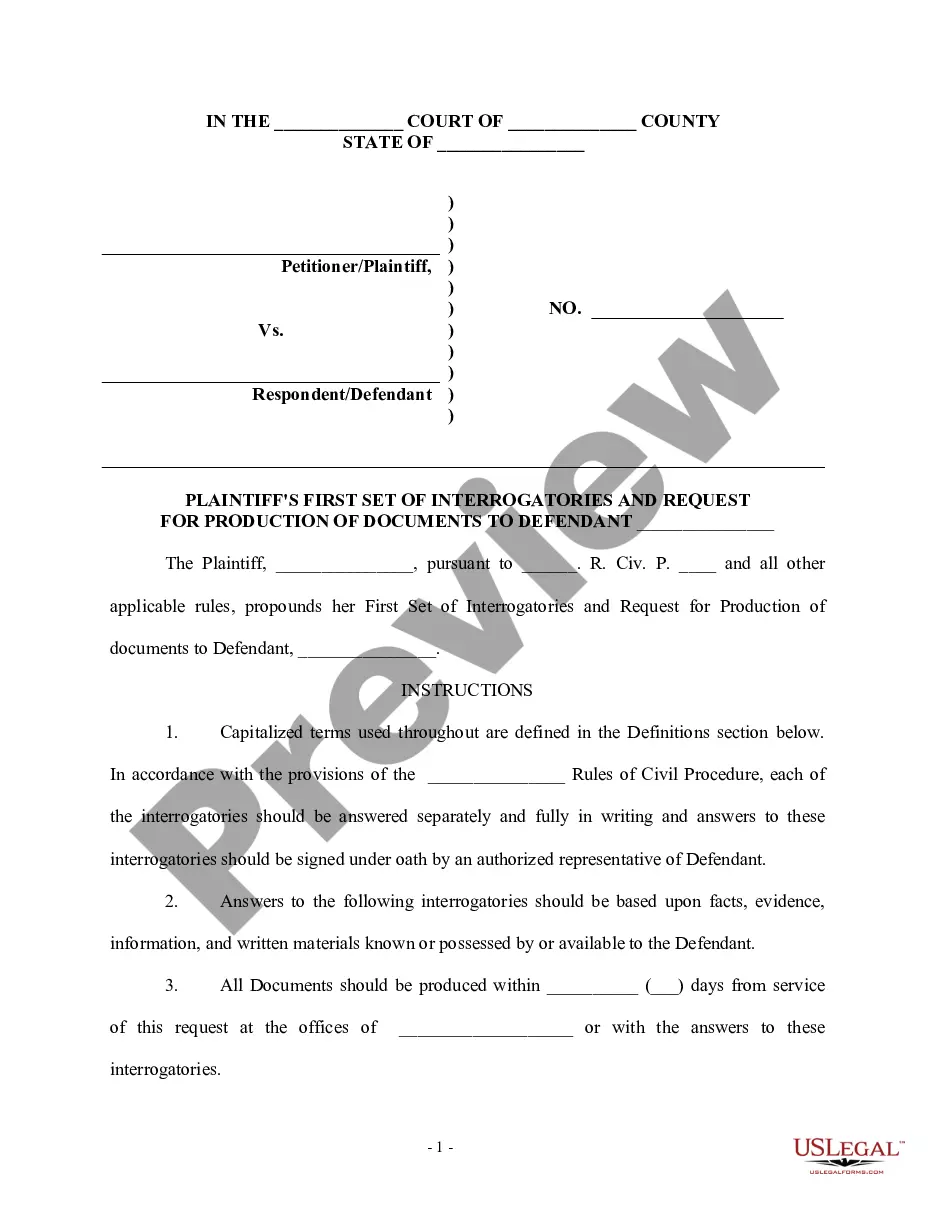
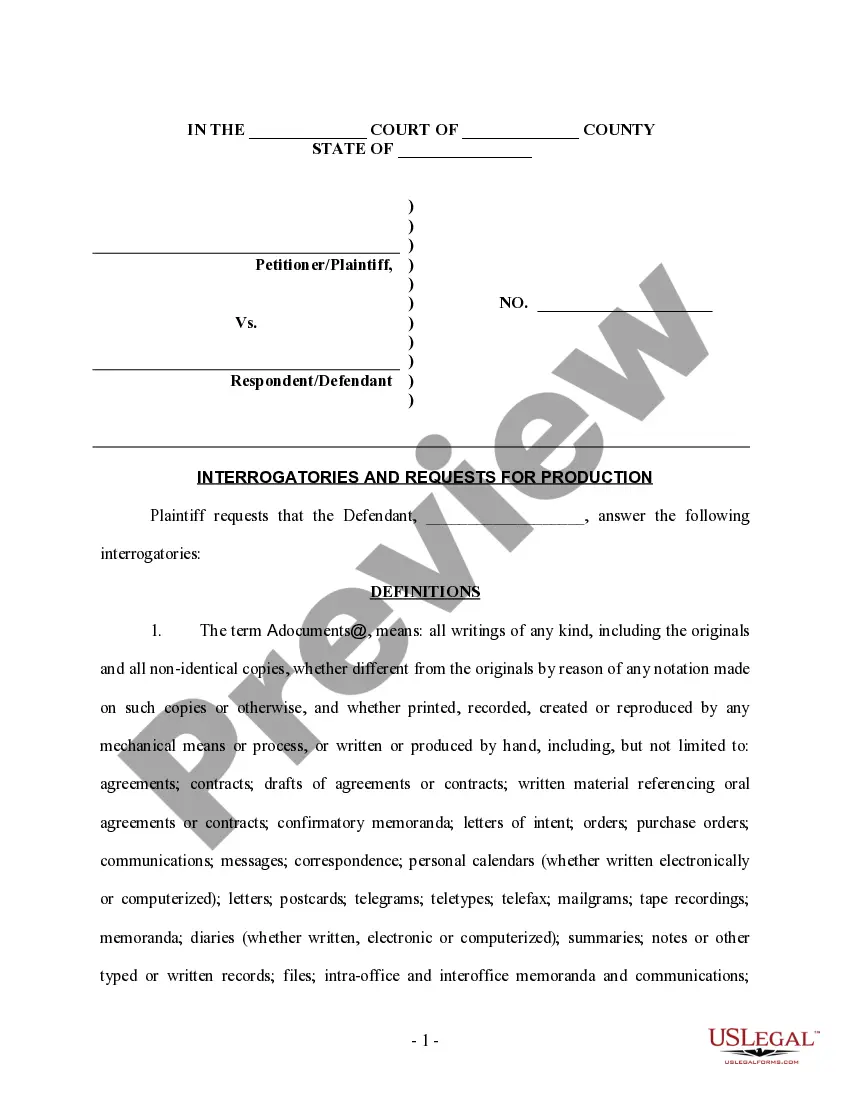
Get your form ready online
Our built-in tools help you complete, sign, share, and store your documents in one place.
Make edits, fill in missing information, and update formatting in US Legal Forms—just like you would in MS Word.
Download a copy, print it, send it by email, or mail it via USPS—whatever works best for your next step.
Sign and collect signatures with our SignNow integration. Send to multiple recipients, set reminders, and more. Go Premium to unlock E-Sign.
If this form requires notarization, complete it online through a secure video call—no need to meet a notary in person or wait for an appointment.
We protect your documents and personal data by following strict security and privacy standards.

Make edits, fill in missing information, and update formatting in US Legal Forms—just like you would in MS Word.

Download a copy, print it, send it by email, or mail it via USPS—whatever works best for your next step.

Sign and collect signatures with our SignNow integration. Send to multiple recipients, set reminders, and more. Go Premium to unlock E-Sign.

If this form requires notarization, complete it online through a secure video call—no need to meet a notary in person or wait for an appointment.

We protect your documents and personal data by following strict security and privacy standards.
Looking for another form?
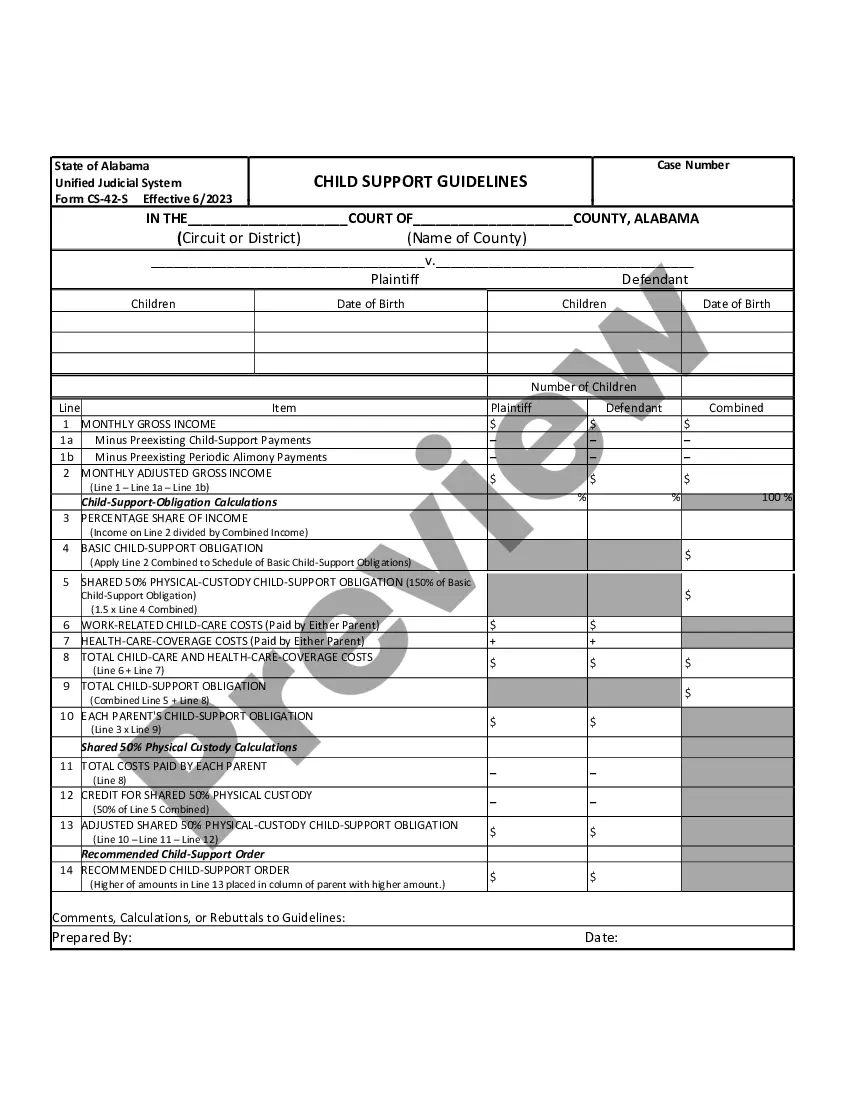
Form popularity
FAQ
Discovery allows you to get information and evidence from the other party or other persons you can use in your lawsuit.
Generally, a request for production of documents asks the responding party to make available the original documents, but the propounding (asking) party may request that photocopies be sent instead, if inspection of the original document is not necessary. You may also need… Step-by-Step Guides on Responding to Discovery.
Requests for the Production of Documents are a discovery device used by a party to enable the individual to learn the facts that are the basis for, or support, a pleading with which he or she has been served by the opposing party.
Service may be completed by mail, by a person over the age of 18 who is not a party to the case. The person serving your requests must complete a proof of service form, typically a Proof of Service by First Class Mail (POS-030). For more information, see our guide on Proof of Service by Mail.
Parties usually send their discovery requests and responses to the other party electronically, by email. But, parties may also send or respond to discovery requests by U.S. mail or a parcel service. Discovery requests and responses should not be sent to the Administrative Judge, except to support a motion.
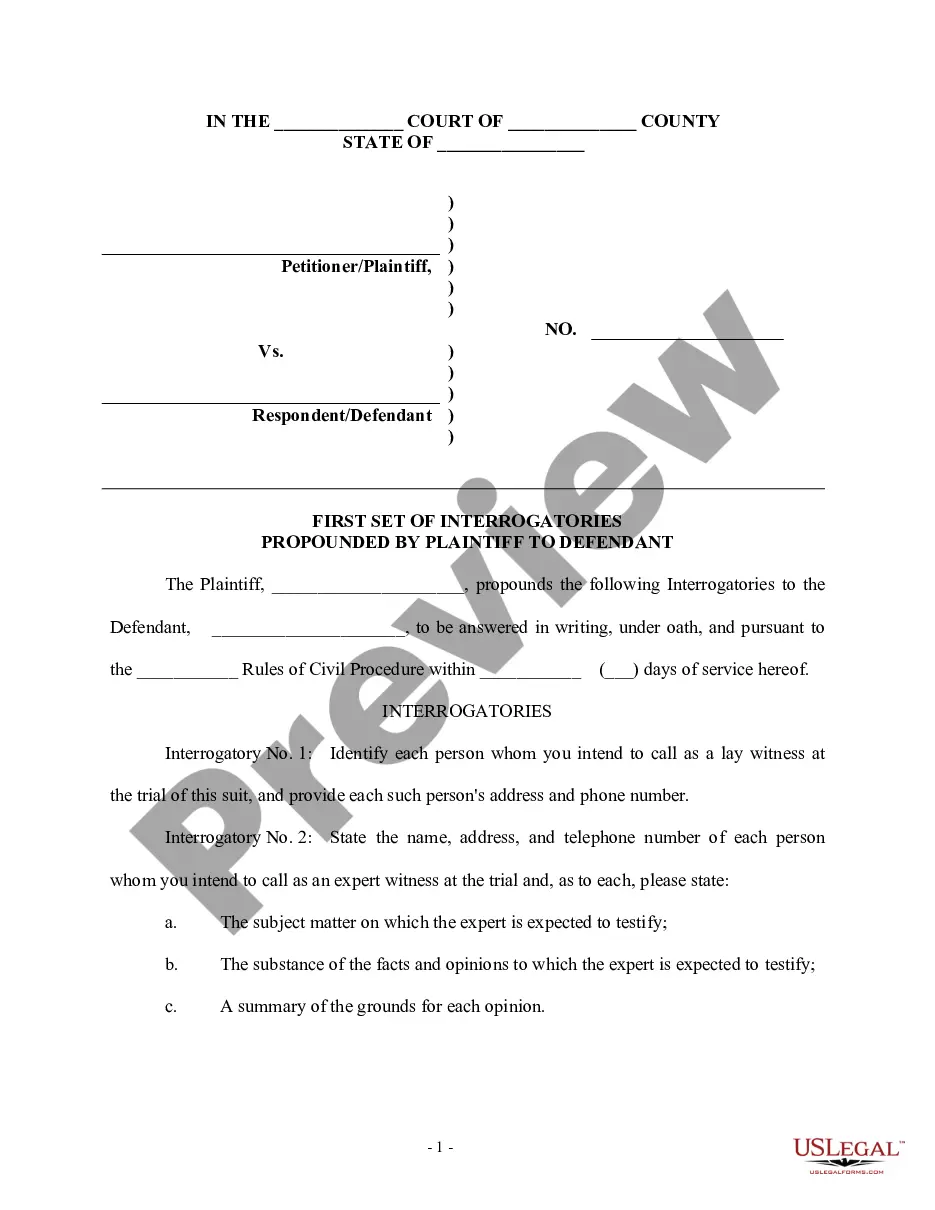
You use discovery to get information or evidence from the other side in a lawsuit that will help you make your case. In order to get the information you need, you must make a request using a specific procedure and written format, within a specific timeframe.
Discovery may involve the existence, description, nature, custody, condition and location of books, documents, electronically stored information or other tangible things, as well as the identity of the person or persons having knowledge of something that is “discoverable.” Even if something is arguably NOT discoverable ...
How to respond to Requests for Production Download the blank response template and fill in basic information. Prepare the template for your responses. Read and answer the questions. Sign the document.
Verified Answer If the complaint was verified in an unlimited civil case, meaning the amount in dispute is over $35,000, the answer must also be verified. Every paragraph of the complaint must be answered, and a verification must be included in the response.