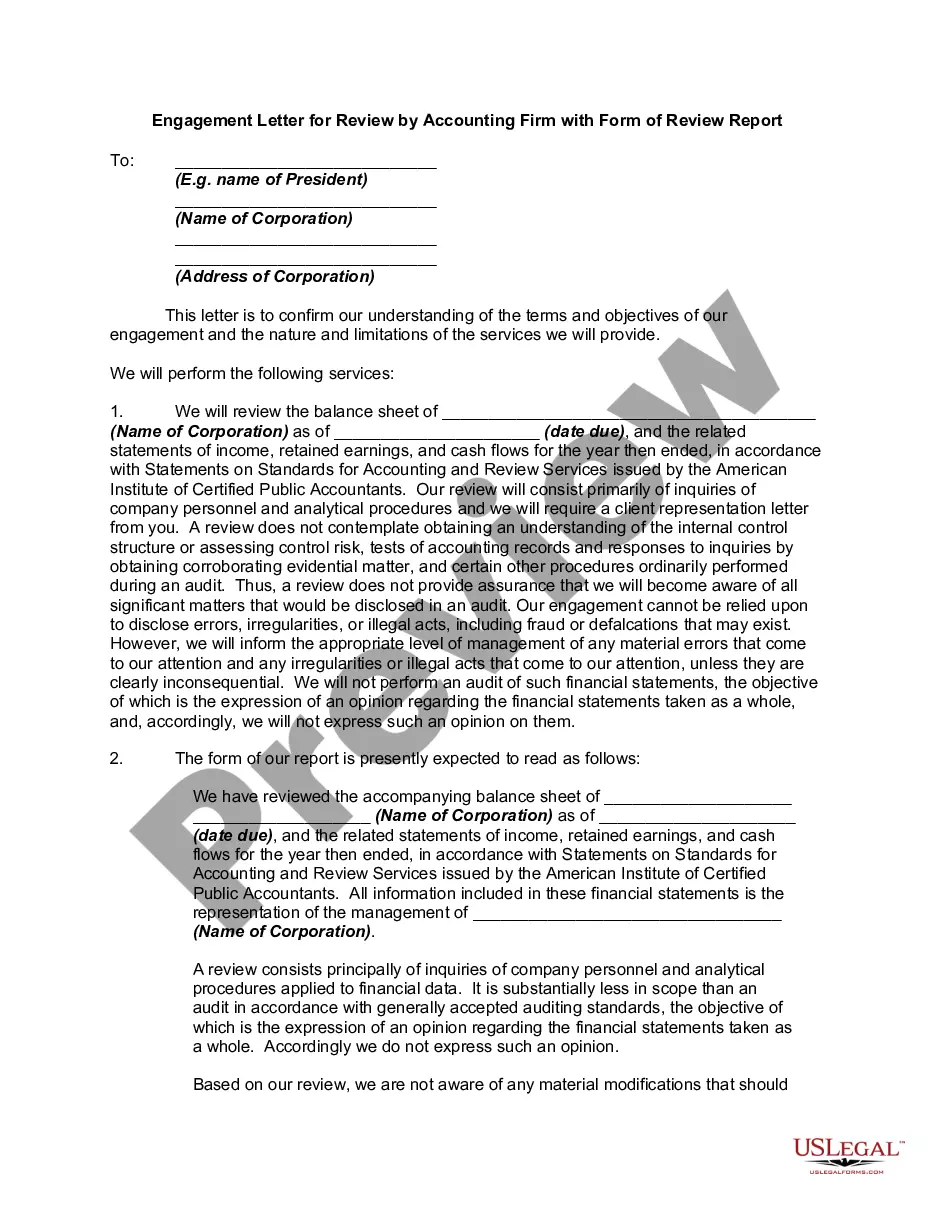
Service Of Interrogatories Federal Rules In Pima
Description






Get your form ready online
Our built-in tools help you complete, sign, share, and store your documents in one place.
Make edits, fill in missing information, and update formatting in US Legal Forms—just like you would in MS Word.
Download a copy, print it, send it by email, or mail it via USPS—whatever works best for your next step.
Sign and collect signatures with our SignNow integration. Send to multiple recipients, set reminders, and more. Go Premium to unlock E-Sign.
If this form requires notarization, complete it online through a secure video call—no need to meet a notary in person or wait for an appointment.
We protect your documents and personal data by following strict security and privacy standards.

Make edits, fill in missing information, and update formatting in US Legal Forms—just like you would in MS Word.

Download a copy, print it, send it by email, or mail it via USPS—whatever works best for your next step.

Sign and collect signatures with our SignNow integration. Send to multiple recipients, set reminders, and more. Go Premium to unlock E-Sign.

If this form requires notarization, complete it online through a secure video call—no need to meet a notary in person or wait for an appointment.

We protect your documents and personal data by following strict security and privacy standards.
Looking for another form?








Form popularity
FAQ
You have to respond to interrogatories in writing to the best of your ability. If you do not answer an interrogatory question, and then the other side learns that you did in fact know the answer, it could have a negative impact on your case at trial.
Rule 37-Failure to Make or Cooperate in Discovery: Sanctions. (a) Motion for Order Compelling Disclosure or Discovery. A party, upon reasonable notice to other parties and all persons affected thereby, may apply for an order compelling disclosure or discovery as follows: (1) Appropriate Court.
Interrogatories to Parties (a) In General. (1) Availability. Unless otherwise stipulated or ordered by the court, a party may serve on any other party no more than 25 written interrogatories, including all discrete subparts.
A party may use a uniform interrogatory when it is appropriate to the legal or factual issues of the particular action, regardless of how the action or claims are designated. A party propounding a uniform interrogatory may do so by serving a notice that identifies the uniform interrogatory by form and number.
Rule 16(b) provides that the Early Meeting is to occur no later than 30 days after a party files an answer or Rule 12 motion or 120 days after the action is commenced - - whichever occurs first.
New Trial. On a defendant's motion, the court may grant a new trial to that defendant if the interests of justice so require. If trial was by the court without a jury, the court may-on defendant's motion for new trial-vacate the judgment, take additional testimony, and direct the entry of a new judgment.
Any party may serve upon any other party written interrogatories to be answered by the party served or, if the party served is a public or private corporation or a partnership or association or governmental agency, by any officer or agent, who shall furnish such information as is available to the party.
If a party obtains or discovers information that it knows or reasonably should know is relevant to a hearing or deposition scheduled to occur in less than 30 days, the party must disclose such information reasonably in advance of the hearing or deposition.
A Rule 69 Agreement allows the parties to settle some or all of their disputes privately, leaving only the unresolved issues to be resolved by the family law court. Common disputes settled ahead of divorce trial proceedings are visitation, parenting time, child support, and how to divide assets.