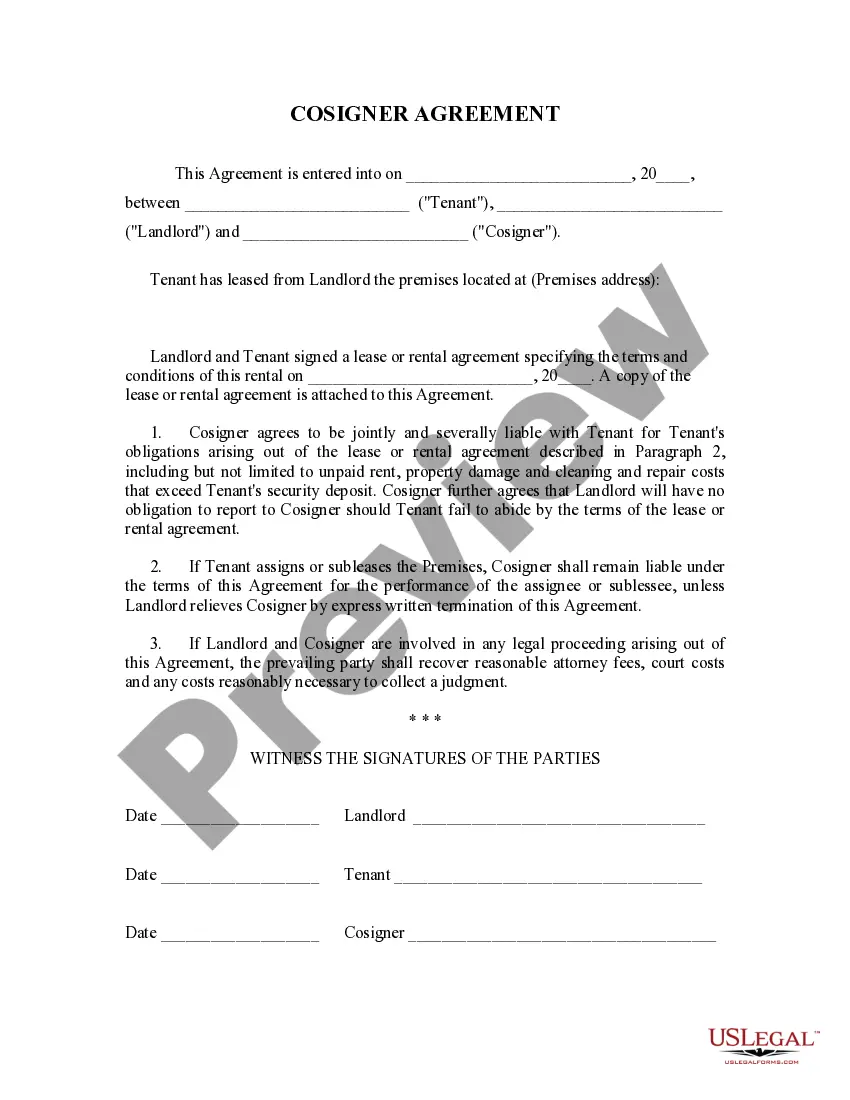
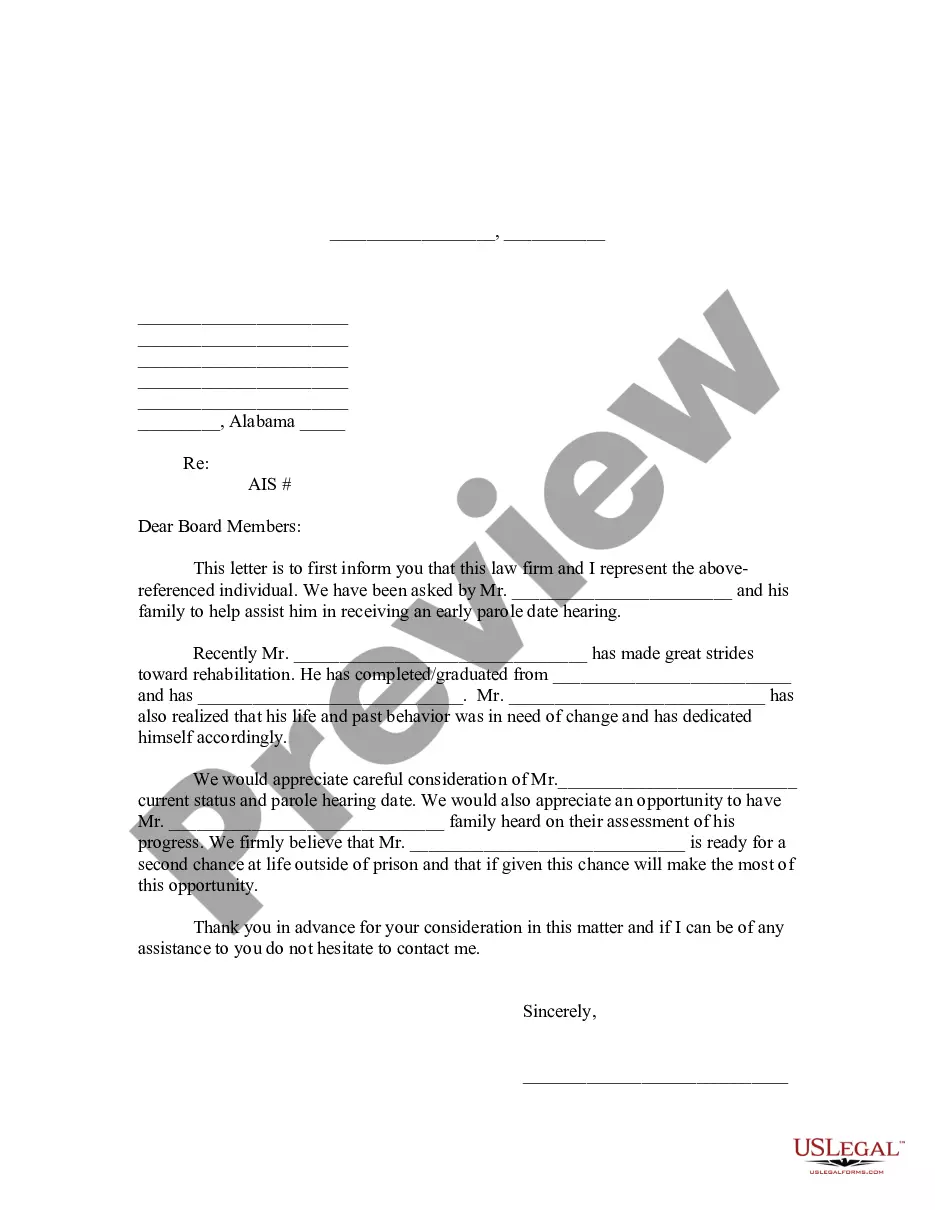
Notice For Discovery In Palm Beach
Description

Get your form ready online
Our built-in tools help you complete, sign, share, and store your documents in one place.
Make edits, fill in missing information, and update formatting in US Legal Forms—just like you would in MS Word.
Download a copy, print it, send it by email, or mail it via USPS—whatever works best for your next step.
Sign and collect signatures with our SignNow integration. Send to multiple recipients, set reminders, and more. Go Premium to unlock E-Sign.
If this form requires notarization, complete it online through a secure video call—no need to meet a notary in person or wait for an appointment.
We protect your documents and personal data by following strict security and privacy standards.

Make edits, fill in missing information, and update formatting in US Legal Forms—just like you would in MS Word.

Download a copy, print it, send it by email, or mail it via USPS—whatever works best for your next step.

Sign and collect signatures with our SignNow integration. Send to multiple recipients, set reminders, and more. Go Premium to unlock E-Sign.

If this form requires notarization, complete it online through a secure video call—no need to meet a notary in person or wait for an appointment.

We protect your documents and personal data by following strict security and privacy standards.
Looking for another form?








Form popularity
FAQ
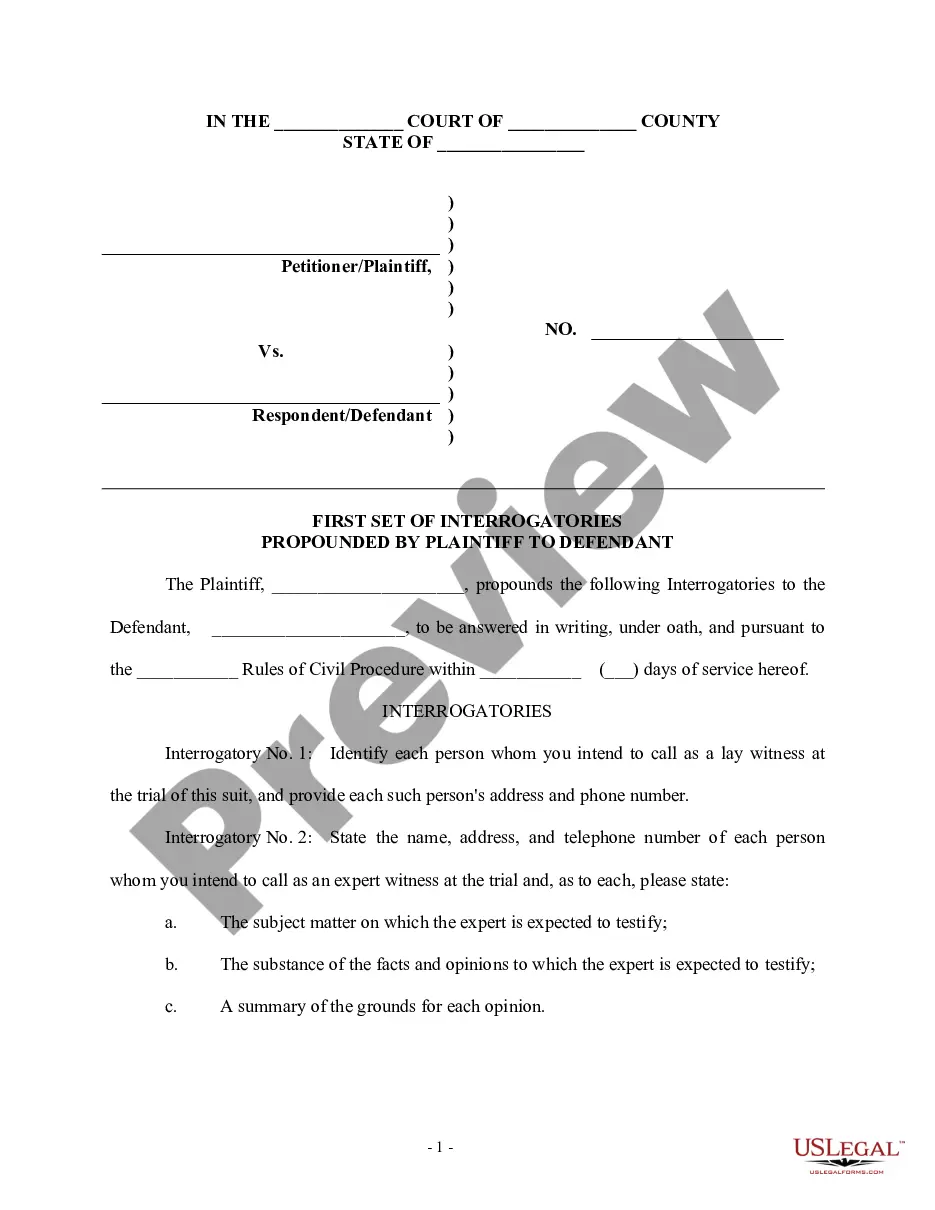
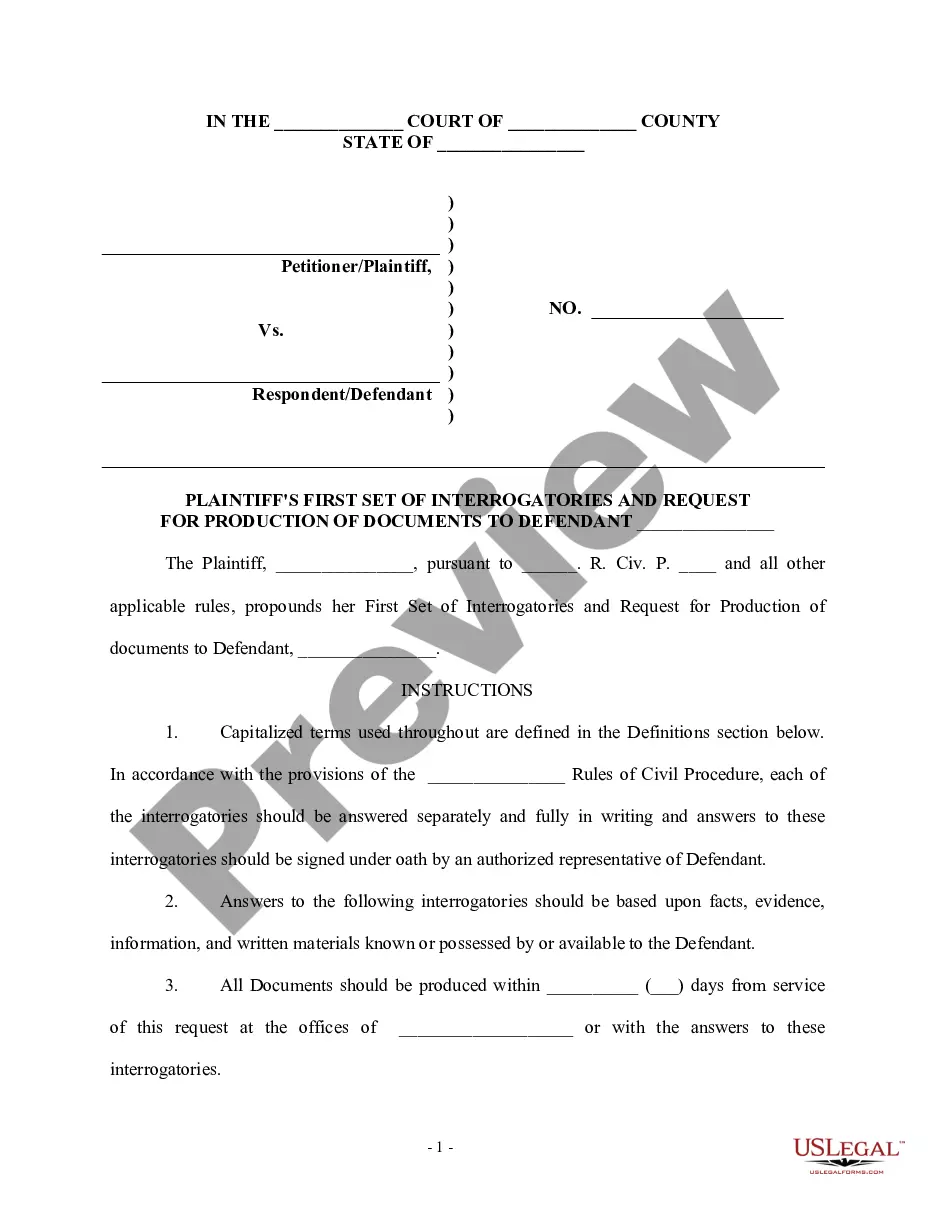
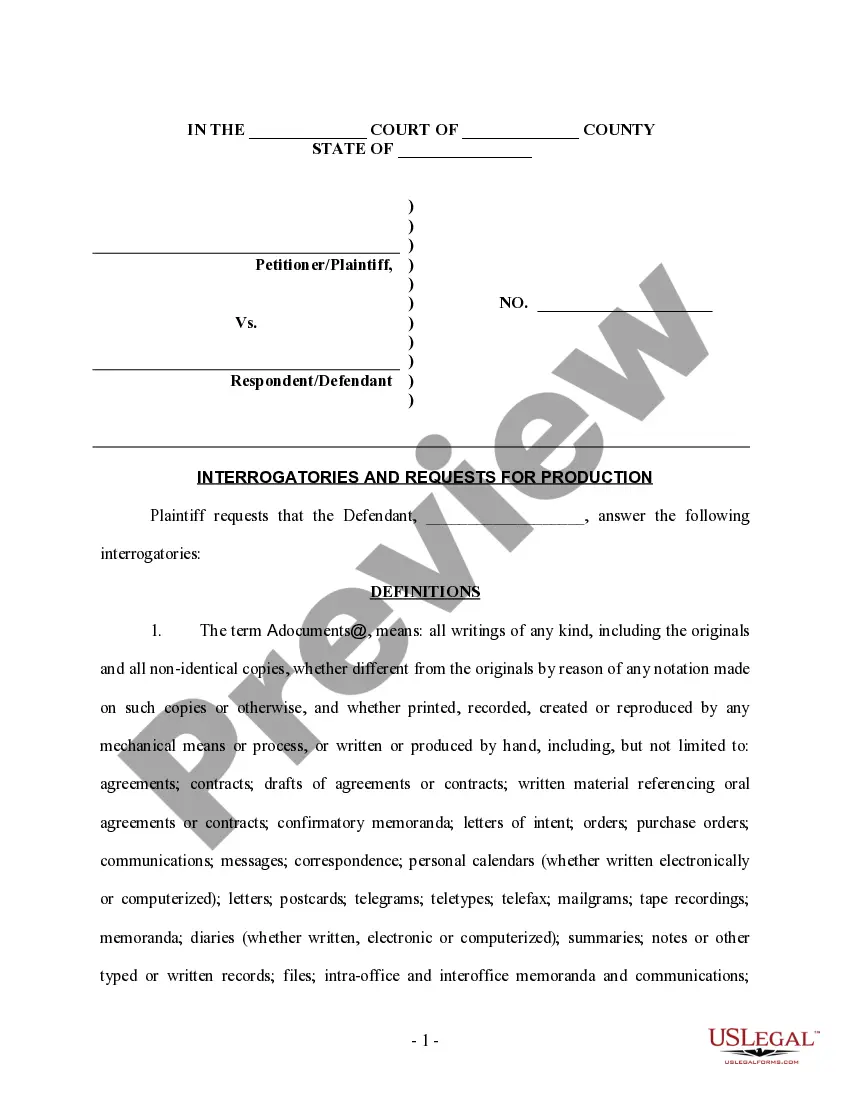
Discovery can be documents, reports, testimony, and any other information that could be relevant to proving or disproving a case. In civil lawsuits in Florida, discovery is a phase and process in a case that can help you get the information you need to win your case.
A: In Florida, the time you have to respond to a motion to compel discovery or other motions generally depends on the specific rules of the court in which the motion was filed. However, as a general guideline, you typically have 20 days to respond to a motion in Florida's state courts.
Discovery materials are filed only in limited circumstances, including if ordered by the Court, if necessary to the presentation or defense of a motion, or if required by law or rule.
In Florida, the discovery phase typically begins after the defendant files an answer to the plaintiff's complaint. It can last several months to a year or more.
The answer is the defendant's response to the complaint. A defendant has 21 days (or, if the defendant is the United States, 60 days) to file an answer after being served with the complaint and the summons.
Discovery Served with the Statement of Claim / Complaint If a written discovery request is served upon a Defendant contemporaneously with Plaintiff's complaint, Defendant must serve its responses to the discovery within 45 days of the date of service of Plaintiff's Complaint.
Discovery materials are filed only in limited circumstances, including if ordered by the Court, if necessary to the presentation or defense of a motion, or if required by law or rule.
In Florida, the discovery phase typically begins after the defendant files an answer to the plaintiff's complaint. It can last several months to a year or more.
In Florida, ing to Rule of Civil Procedure 1.070 (j), a complaint must be served on the defendant within 120 days of its filing. If it is not served within the time frame specified, a motion to dismiss is appropriate, and the case is dismissed without prejudice.
A party may move for summary judgment at any time after the expiration of 20 days from the commencement of the action or after service of a motion for summary judgment by the adverse party. The movant must serve the motion for summary judgment at least 40 days before the time fixed for the hearing.