Service Notice To Tenant In Oakland
Description


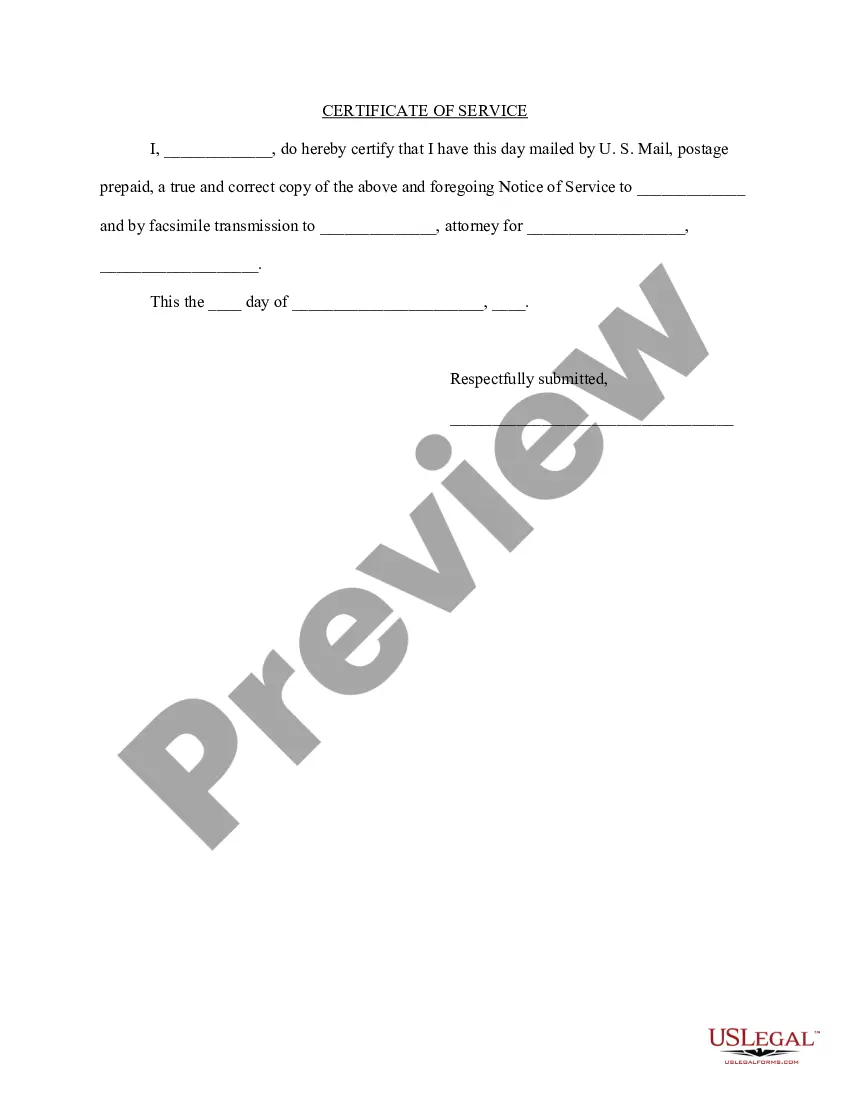
Get your form ready online
Our built-in tools help you complete, sign, share, and store your documents in one place.
Make edits, fill in missing information, and update formatting in US Legal Forms—just like you would in MS Word.
Download a copy, print it, send it by email, or mail it via USPS—whatever works best for your next step.
Sign and collect signatures with our SignNow integration. Send to multiple recipients, set reminders, and more. Go Premium to unlock E-Sign.
If this form requires notarization, complete it online through a secure video call—no need to meet a notary in person or wait for an appointment.
We protect your documents and personal data by following strict security and privacy standards.

Make edits, fill in missing information, and update formatting in US Legal Forms—just like you would in MS Word.

Download a copy, print it, send it by email, or mail it via USPS—whatever works best for your next step.

Sign and collect signatures with our SignNow integration. Send to multiple recipients, set reminders, and more. Go Premium to unlock E-Sign.

If this form requires notarization, complete it online through a secure video call—no need to meet a notary in person or wait for an appointment.

We protect your documents and personal data by following strict security and privacy standards.
Looking for another form?

Form popularity
FAQ
30, 60, or 90 day notice. Any termination of tenancy (whether you are covered by Just Cause or not) must include the following: Must be in writing (on paper)
Fully owner-occupied units, including single family homes. Hospitals, skilled nursing, or health facilities. Non-profits or substance abuse recovery facilities. Non-profits to support the homelessness.
If you don't do what your landlord asks, they can start an eviction case to ask the judge to order you to move out. After the landlord gives you the Notice it can take 30-45 days, or longer, for the eviction case to end. If you lose the case, the judge can order you to move out of your home.
The Ellis Act is a state law that allows landlords to evict residential tenants in order to go out of the rental business. This right is afforded to rental housing providers even though general public policy is to keep residents housed so long as their tenancy is in good standing.
Oakland is a “Just Cause for Eviction” city. This means that landlords cannot evict a tenant in good standing unless the owner can prove a violation of one of the eleven (11) “just causes” spelled out in the City's eviction protection law (O.M.C. 8.22. 300).
A LANDLORD CANNOT EVICT SOMEONE THEMSELF: You cannot evict someone yourself without going through the proper steps. It is against the law. Only the Sheriff can evict someone. That is why you may need an Unlawful Detainer.
Oakland Tenants Union (OTU) is a community-based volunteer organization of housing activists dedicated to protecting tenant rights and interests in Oakland.
Oakland is a “Just Cause for Eviction” city. This means that landlords cannot evict a tenant in good standing unless the owner can prove a violation of one of the eleven (11) “just causes” spelled out in the City's eviction protection law (O.M.C. 8.22. 300).
Just Cause is Required for Eviction (Oakland Municipal Code, Section 8.22. 300) In Oakland, a property owner can only terminate a tenancy or evict a tenant for JUST CAUSE.