Notice For Discovery And Inspection In Nassau
Description

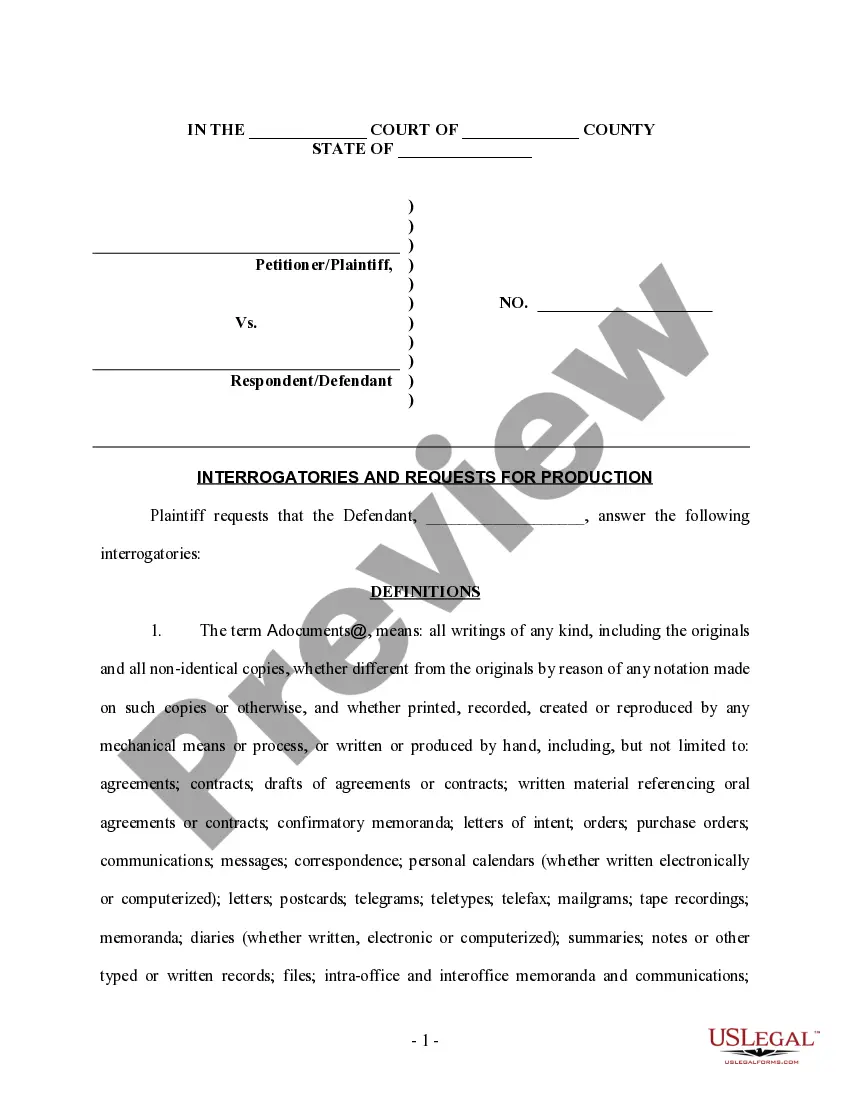
Get your form ready online
Our built-in tools help you complete, sign, share, and store your documents in one place.
Make edits, fill in missing information, and update formatting in US Legal Forms—just like you would in MS Word.
Download a copy, print it, send it by email, or mail it via USPS—whatever works best for your next step.
Sign and collect signatures with our SignNow integration. Send to multiple recipients, set reminders, and more. Go Premium to unlock E-Sign.
If this form requires notarization, complete it online through a secure video call—no need to meet a notary in person or wait for an appointment.
We protect your documents and personal data by following strict security and privacy standards.

Make edits, fill in missing information, and update formatting in US Legal Forms—just like you would in MS Word.

Download a copy, print it, send it by email, or mail it via USPS—whatever works best for your next step.

Sign and collect signatures with our SignNow integration. Send to multiple recipients, set reminders, and more. Go Premium to unlock E-Sign.

If this form requires notarization, complete it online through a secure video call—no need to meet a notary in person or wait for an appointment.

We protect your documents and personal data by following strict security and privacy standards.
Looking for another form?








Form popularity
FAQ
You have 30 days to serve a written response to document requests, but you may ask the other party for more time. If the other party declines, you may write to the judge to ask for an extension of time.
Parties usually send their discovery requests and responses to the other party electronically, by email. But, parties may also send or respond to discovery requests by U.S. mail or a parcel service. Discovery requests and responses should not be sent to the Administrative Judge, except to support a motion.
If the parties are having a dispute, either party can file a motion with the court asking the judge to order the other side to respond to discovery requests or punish the other side for failing to respond to discovery requests or for making unreasonable discovery requests.
(b) Document Demand: As the name indicates, this is a written demand in which one party demands that the other produce certain documents for inspection and copying. (This device is also referred to as a notice of discovery and inspection). The demand must define the items sought with reasonable particularity.
In California law, a "Demand to Inspect Property" is part of the discovery process in civil litigation. It allows a party to request the inspection of physical evidence relevant to the case. This can include asking to inspect private property to find or examine something that is directly related to the lawsuit.
The Discovery Process in Lawsuits Depositions. Perhaps the classic example of a discovery tool is a deposition. Requests for Production of Documents. Each party can mail these written requests to the opponent or their attorney. Requests for Admissions. Interrogatories. Limits on Discovery.
This means the other side in your case wants to get information from you. This is a legal process called conducting discovery.
Generally, the prosecution must provide discovery within a set period after the defense's formal request, often ranging from a few weeks to several months. Evidence should be available to the defense either at the preliminary hearing or after the accused has been indicted by a grand jury.
Discovery means you send the other side questions and requests for information or items (like documents) in writing. The other side must respond to your question or request in writing.