Notice Discovery Template For School In Massachusetts
Description

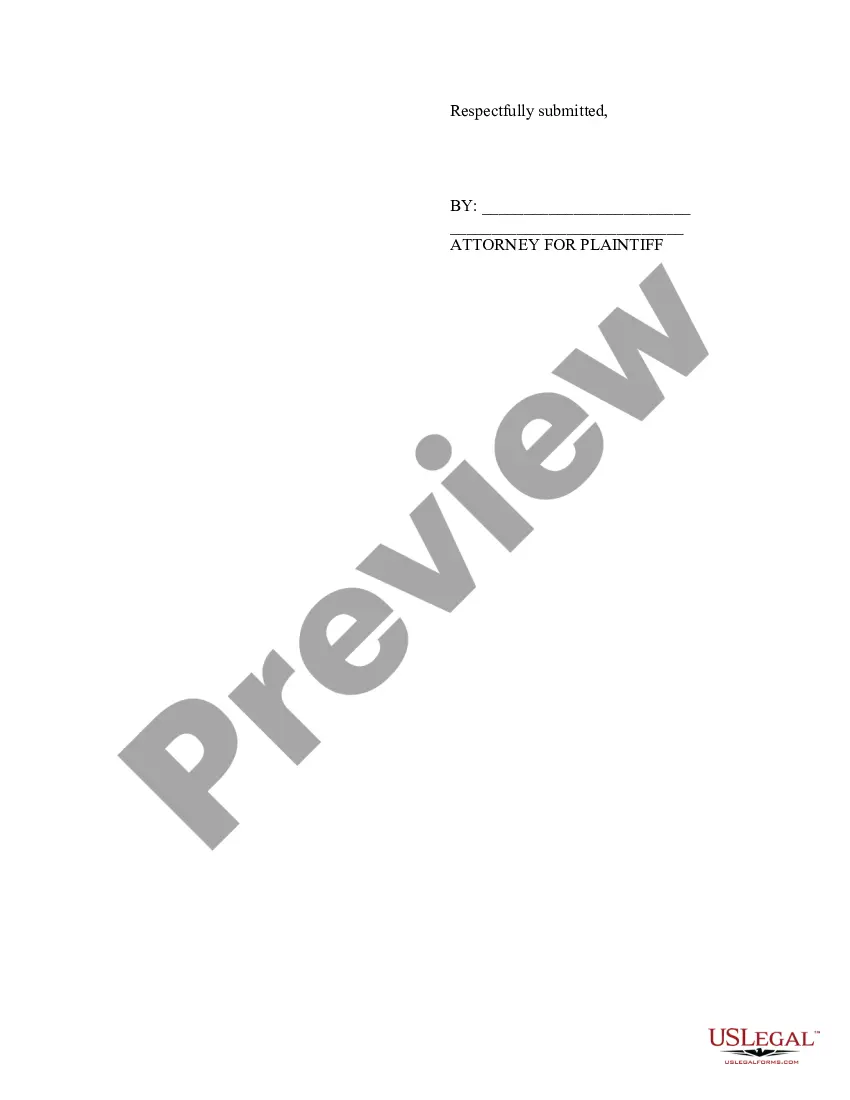
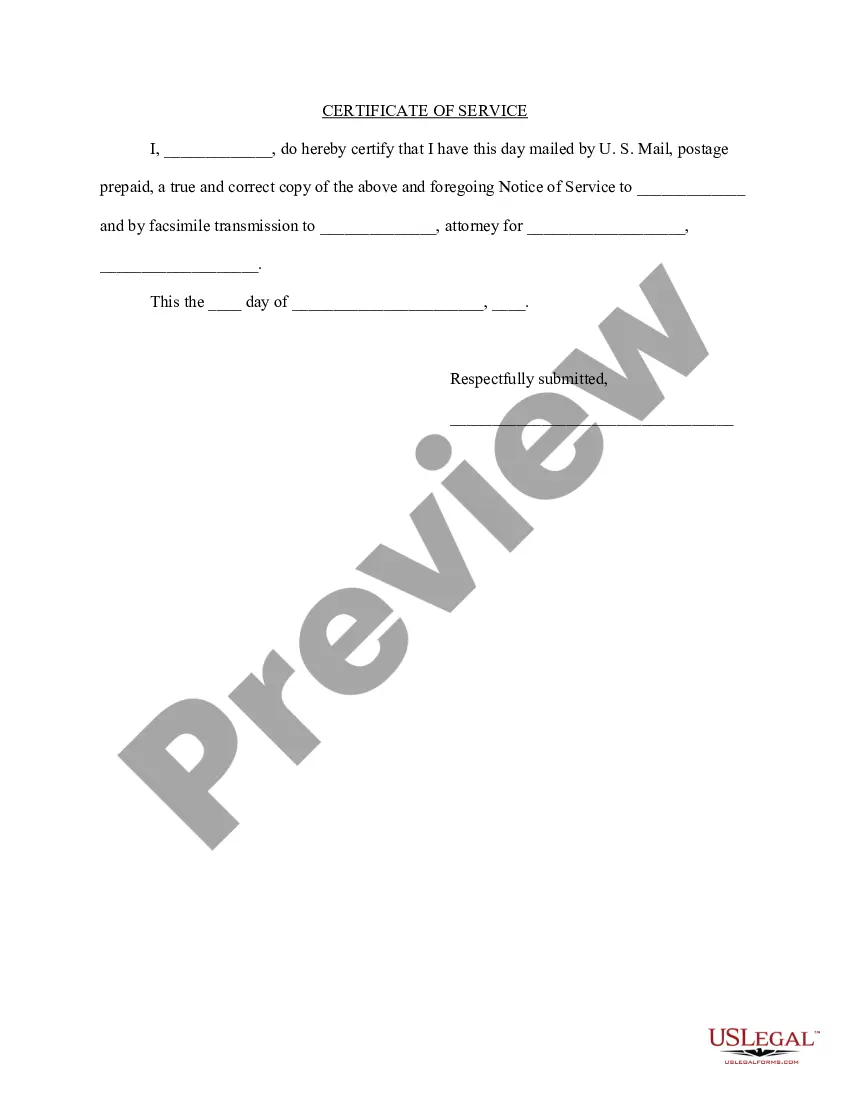
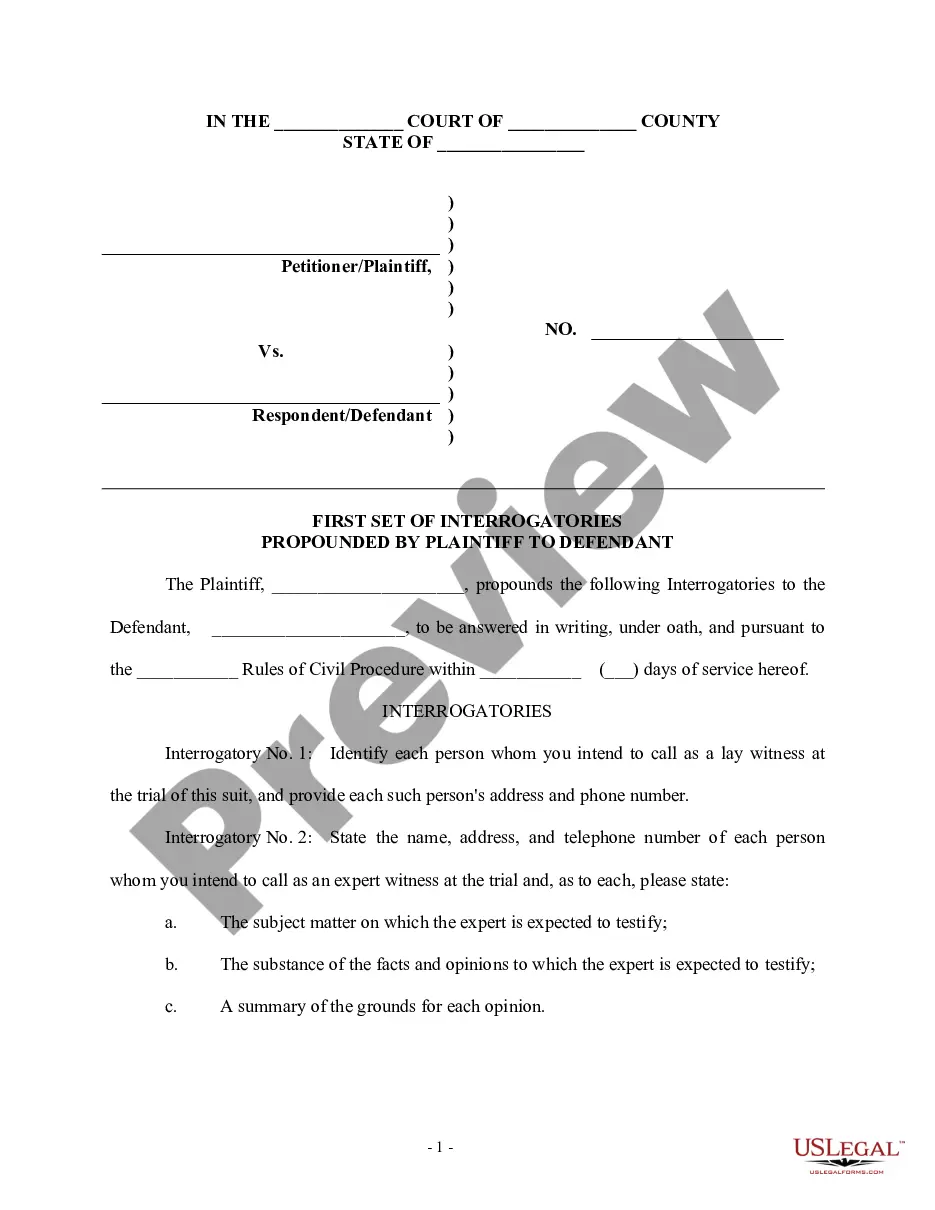

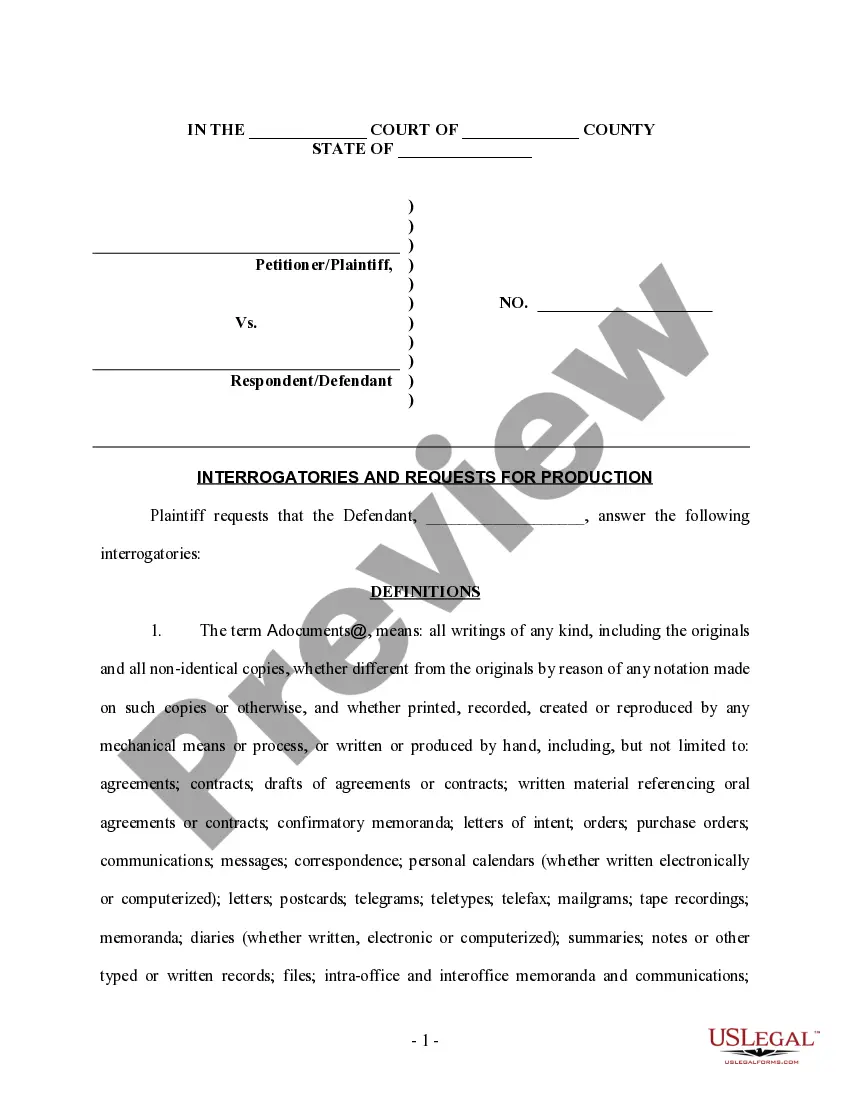
Get your form ready online
Our built-in tools help you complete, sign, share, and store your documents in one place.
Make edits, fill in missing information, and update formatting in US Legal Forms—just like you would in MS Word.
Download a copy, print it, send it by email, or mail it via USPS—whatever works best for your next step.
Sign and collect signatures with our SignNow integration. Send to multiple recipients, set reminders, and more. Go Premium to unlock E-Sign.
If this form requires notarization, complete it online through a secure video call—no need to meet a notary in person or wait for an appointment.
We protect your documents and personal data by following strict security and privacy standards.

Make edits, fill in missing information, and update formatting in US Legal Forms—just like you would in MS Word.

Download a copy, print it, send it by email, or mail it via USPS—whatever works best for your next step.

Sign and collect signatures with our SignNow integration. Send to multiple recipients, set reminders, and more. Go Premium to unlock E-Sign.

If this form requires notarization, complete it online through a secure video call—no need to meet a notary in person or wait for an appointment.

We protect your documents and personal data by following strict security and privacy standards.
Looking for another form?
Form popularity
FAQ
This rule establishes a limited right to discovery in summary process actions. In keeping with the need for expeditious procedure, an automatic postponement of the trial date for two weeks from the originally scheduled date results from the timely service and filing of a discovery demand.
"Parties may obtain discovery regarding any matter, not privileged, which is relevant to the subject matter involved in the pending action, whether it relates to the claim or defense of the party seeking discovery or to the claim or defense of any other party, including the existence, description, nature, custody, ...
Discovery means you send the other side questions and requests for information or items (like documents) in writing. The other side must respond to your question or request in writing.
However, the defendant is permitted extra time to respond from the normal 30 days to 45 days if the discovery is propounded along with the divorce summons and complaint (meaning that a defendant does not have to respond until the expiration of 45 days following the date a summons/complaint is served upon them).
However, the defendant is permitted extra time to respond from the normal 30 days to 45 days if the discovery is propounded along with the divorce summons and complaint (meaning that a defendant does not have to respond until the expiration of 45 days following the date a summons/complaint is served upon them).
The party of whom discovery is demanded shall respond by filing and serving answers to the interrogatories and/or responses to the requests for admission, and/or by producing the documents no later than ten days after receipt of the requests. The response shall be completed upon its receipt.
In a summary process case, the landlord can sue the tenant for unpaid rent, even if the tenancy was ended for a reason other than not paying rent. The summons and complaint form includes a section for the landlord to specify the rent that's owed.
The answers are to be signed by the person making them, the objections by the person or attorney making them. The party upon whom the interrogatories have been served shall serve answers and objections, if any, within 45 days after the service of the interrogatories.
Rule 14: Pretrial discovery from the prosecution (effective March 1, 2025) Rule 14.1: Pretrial reciprocal discovery from the defense (effective March 1, 2025)
Summary Judgment, by definition, is where judgment is granted to the party that moves the court by motion because: “there is no genuine issue as to any material fact and that the moving party is entitled to judgment as a matter of law.”