Certificate Of Service For Discovery In Maryland
Description

Get your form ready online
Our built-in tools help you complete, sign, share, and store your documents in one place.
Make edits, fill in missing information, and update formatting in US Legal Forms—just like you would in MS Word.
Download a copy, print it, send it by email, or mail it via USPS—whatever works best for your next step.
Sign and collect signatures with our SignNow integration. Send to multiple recipients, set reminders, and more. Go Premium to unlock E-Sign.
If this form requires notarization, complete it online through a secure video call—no need to meet a notary in person or wait for an appointment.
We protect your documents and personal data by following strict security and privacy standards.

Make edits, fill in missing information, and update formatting in US Legal Forms—just like you would in MS Word.

Download a copy, print it, send it by email, or mail it via USPS—whatever works best for your next step.

Sign and collect signatures with our SignNow integration. Send to multiple recipients, set reminders, and more. Go Premium to unlock E-Sign.

If this form requires notarization, complete it online through a secure video call—no need to meet a notary in person or wait for an appointment.

We protect your documents and personal data by following strict security and privacy standards.
Looking for another form?


Form popularity
FAQ
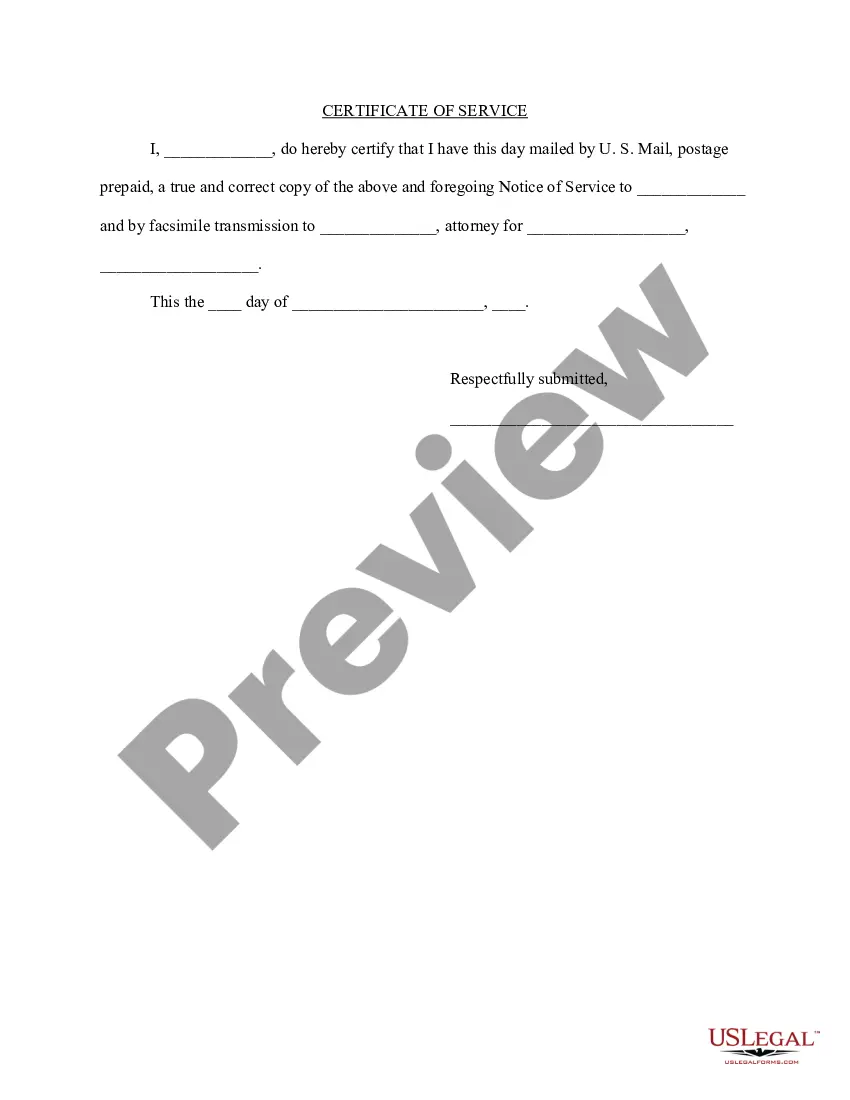
For a certificate of service for discovery papers, such as written discovery requests and responses, see Form – Certificate of Service (Discovery). The Federal Rules of Civil Procedure state that no certificate of service is required when a paper is served by filing it with the court's electronic-filing (ECF) system.
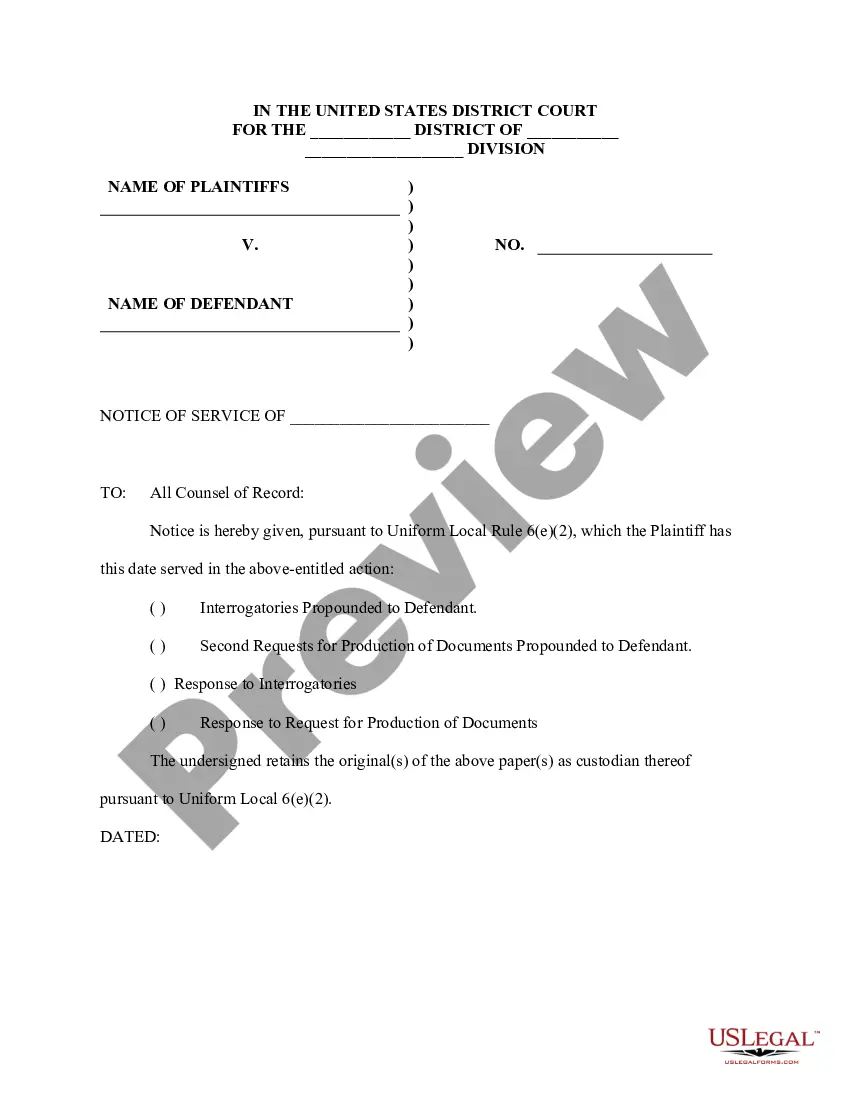
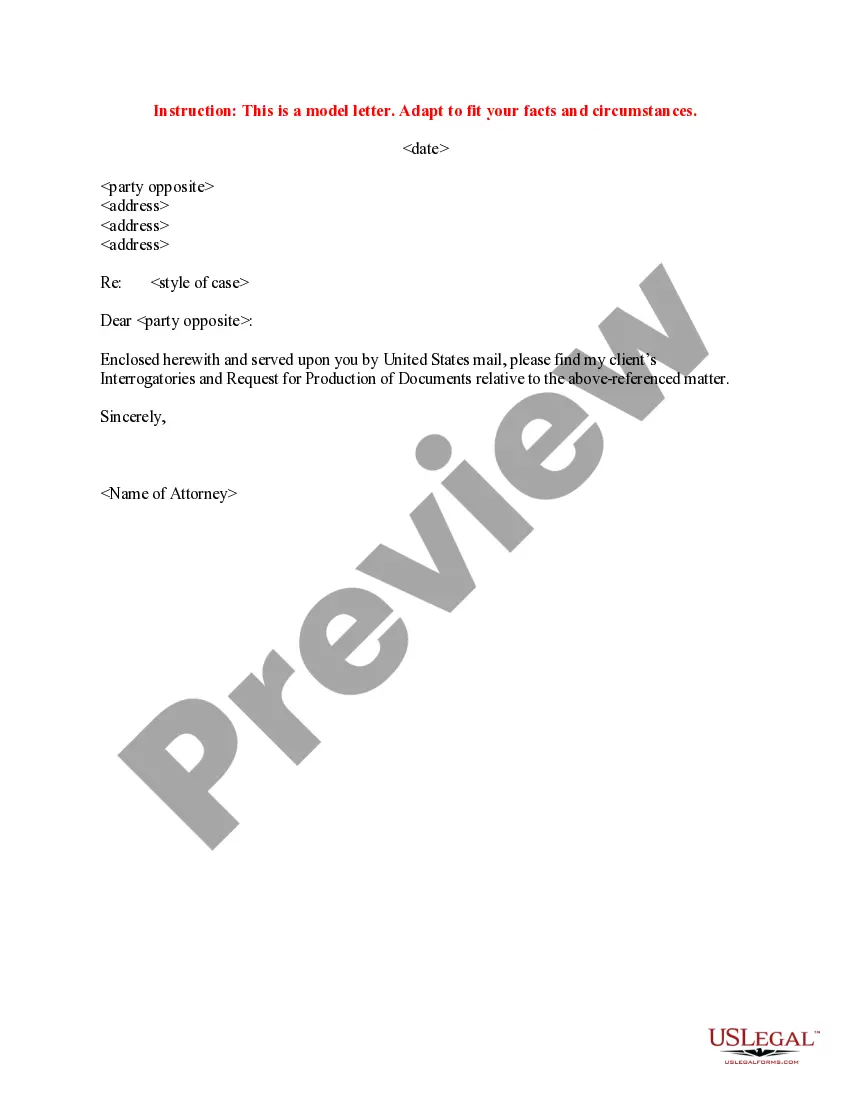
When you are ready to serve the opposing party with discovery requests or discovery responses, you will include a document called “Notice of Service of Discovery Material.” The Notice states the type of discovery material served, the date and manner of service, and the party or person served.
The clerk shall not accept for filing any pleading or other paper requiring service, other than an original pleading, unless it is accompanied by an admission or waiver of service or a signed certificate showing the date and manner of making service. A certificate of service is prima facie proof of service.
Certificate discovery refers to the use of scanning tools to detect a company's public and private TLS/SSL certificates. Cloud-based sensors can be used to identify public-facing TLS/SSL certificates. Network-based sensors and agents can be used to identify the digital certificates located on a company's network.