Notice For Discovery And Inspection In Kings
Description

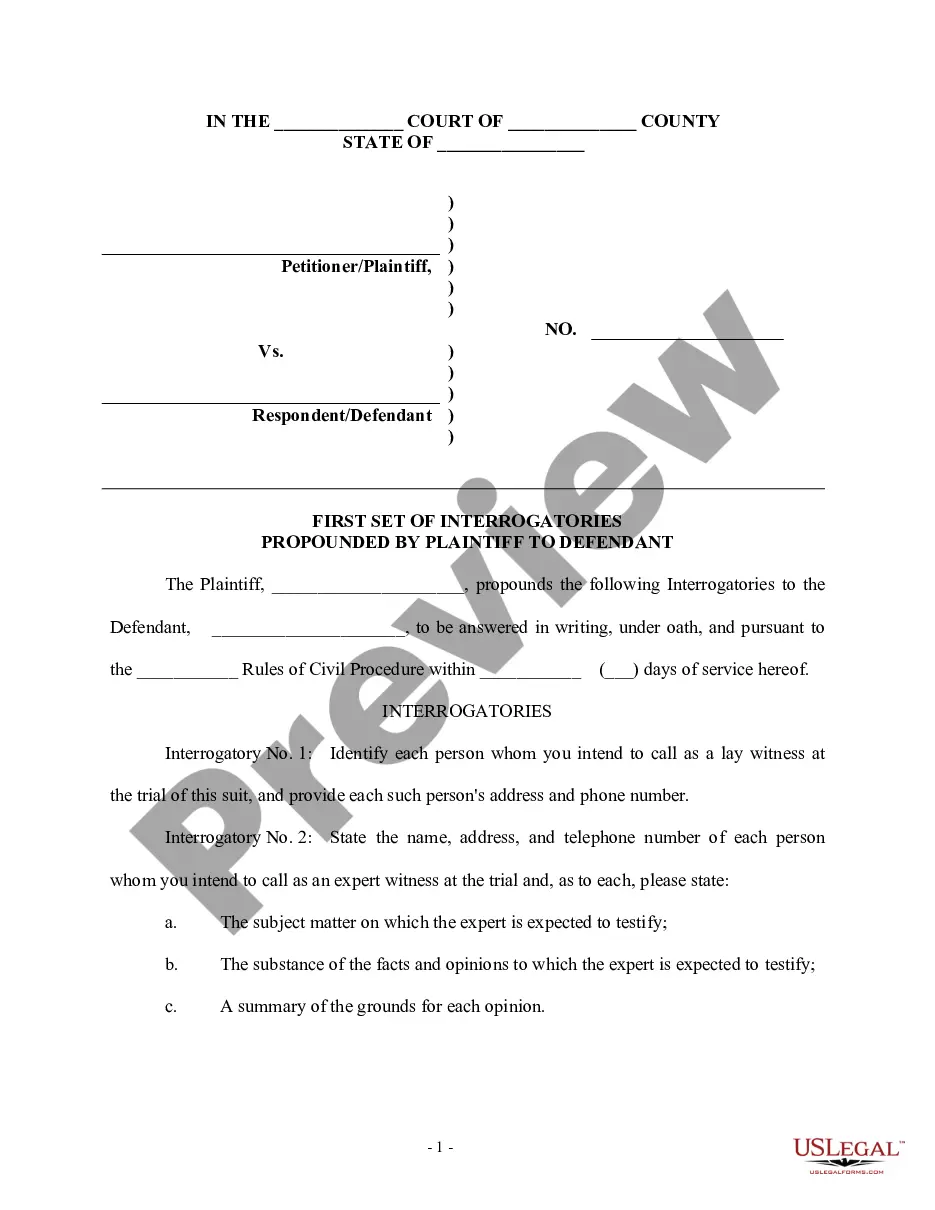

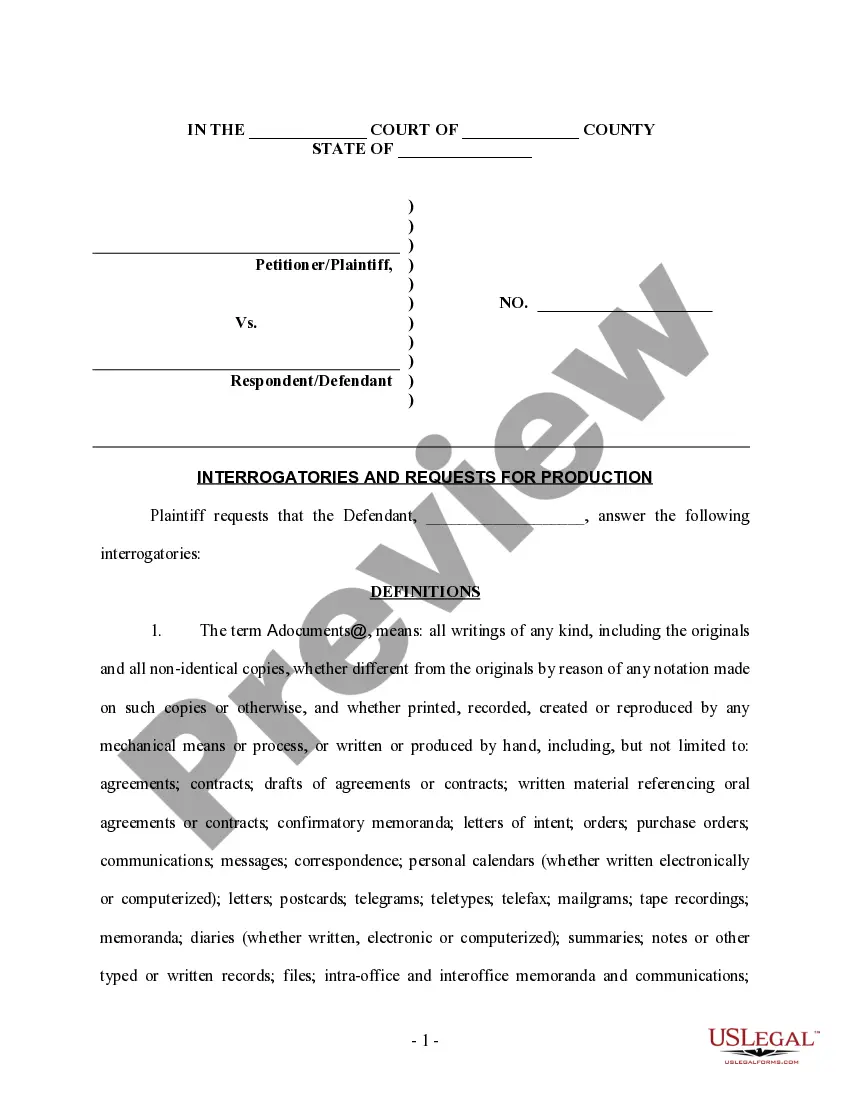
Get your form ready online
Our built-in tools help you complete, sign, share, and store your documents in one place.
Make edits, fill in missing information, and update formatting in US Legal Forms—just like you would in MS Word.
Download a copy, print it, send it by email, or mail it via USPS—whatever works best for your next step.
Sign and collect signatures with our SignNow integration. Send to multiple recipients, set reminders, and more. Go Premium to unlock E-Sign.
If this form requires notarization, complete it online through a secure video call—no need to meet a notary in person or wait for an appointment.
We protect your documents and personal data by following strict security and privacy standards.

Make edits, fill in missing information, and update formatting in US Legal Forms—just like you would in MS Word.

Download a copy, print it, send it by email, or mail it via USPS—whatever works best for your next step.

Sign and collect signatures with our SignNow integration. Send to multiple recipients, set reminders, and more. Go Premium to unlock E-Sign.

If this form requires notarization, complete it online through a secure video call—no need to meet a notary in person or wait for an appointment.

We protect your documents and personal data by following strict security and privacy standards.
Looking for another form?







Form popularity
FAQ
(b) Document Demand: As the name indicates, this is a written demand in which one party demands that the other produce certain documents for inspection and copying. (This device is also referred to as a notice of discovery and inspection). The demand must define the items sought with reasonable particularity.
You have 30 days to respond to interrogatories, but you may ask the other party for more time. If the other party declines, you may write to the judge to ask for an extension of time. You must answer each interrogatory separately and fully in writing and under oath.
The other party might not respond, or s/he could file a “motion to compel discovery.” A motion to compel discovery is a written request to the judge in which the party seeking discovery asks the judge to issue an order requiring that the other party turns over the requested documents by a certain date or face certain ...
A party who discovers additional evidence or material before or during trial must promptly disclose its existence to the other party or the court if: (1) the evidence or material is subject to discovery or inspection under this rule; and. (2) the other party previously requested, or the court ordered, its production.
“At the conclusion of other discovery and at least 30 days prior the discovery cut-off date,” parties may serve contention interrogatories (Comm'l Div. Rule 11-ad). Requests for admission are unlimited and can be served up to 20 days before trial; responses are due within 20 days (CPLR Section 3123a).
One of the tools that a knowledgeable criminal defense attorney will use to defend your rights is the pre-trial discovery process when the defense can file a “Demand for Discovery and Inspection” requesting that the prosecution share its evidence with the defense.
In some cases, the offense may not become known until a later date. In these instances, New York laws sometimes allow the statute of limitations period to commence on the date the injury is discovered or should reasonably have been discovered. This is known as the discovery rule.
Standard Timeframe in NY: Under NY CPLR 3130, a party may serve written interrogatories upon another party after the commencement of an action. Typically, the recipient has 30 days from the date of service to respond.
One of the tools that a knowledgeable criminal defense attorney will use to defend your rights is the pre-trial discovery process when the defense can file a “Demand for Discovery and Inspection” requesting that the prosecution share its evidence with the defense. This can include: Witness lists.