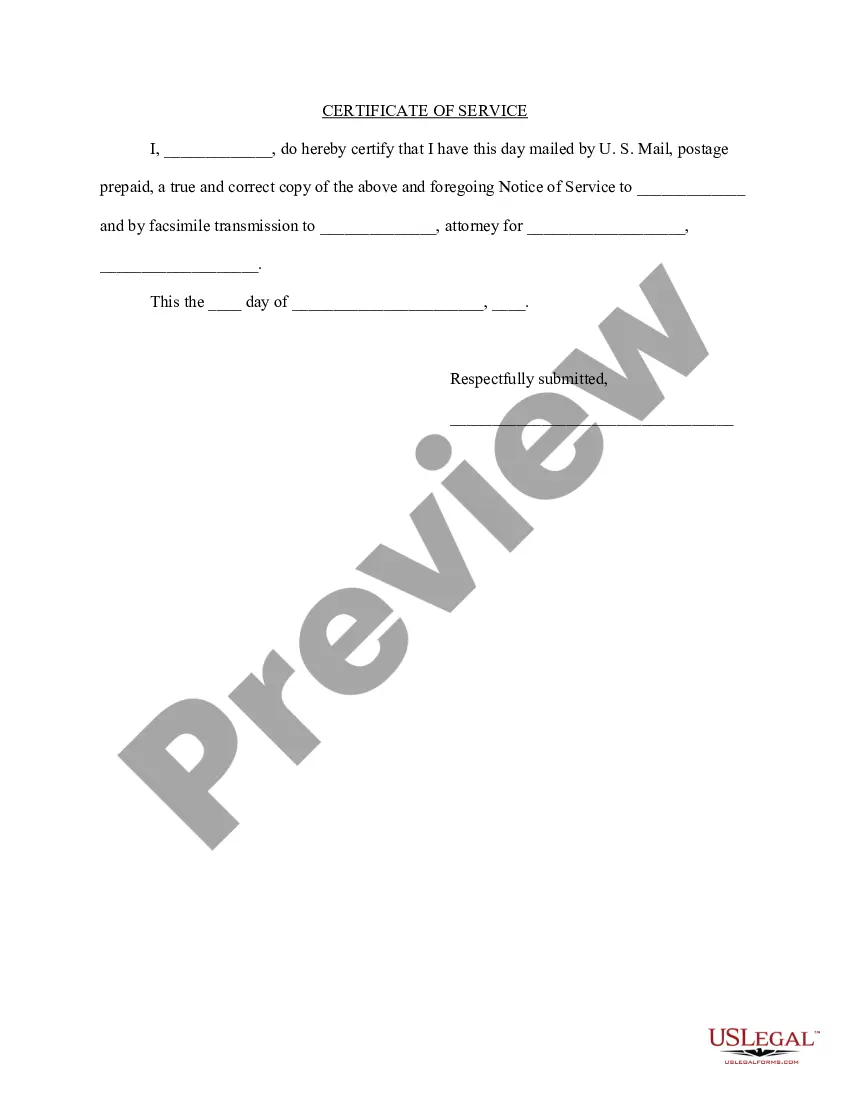
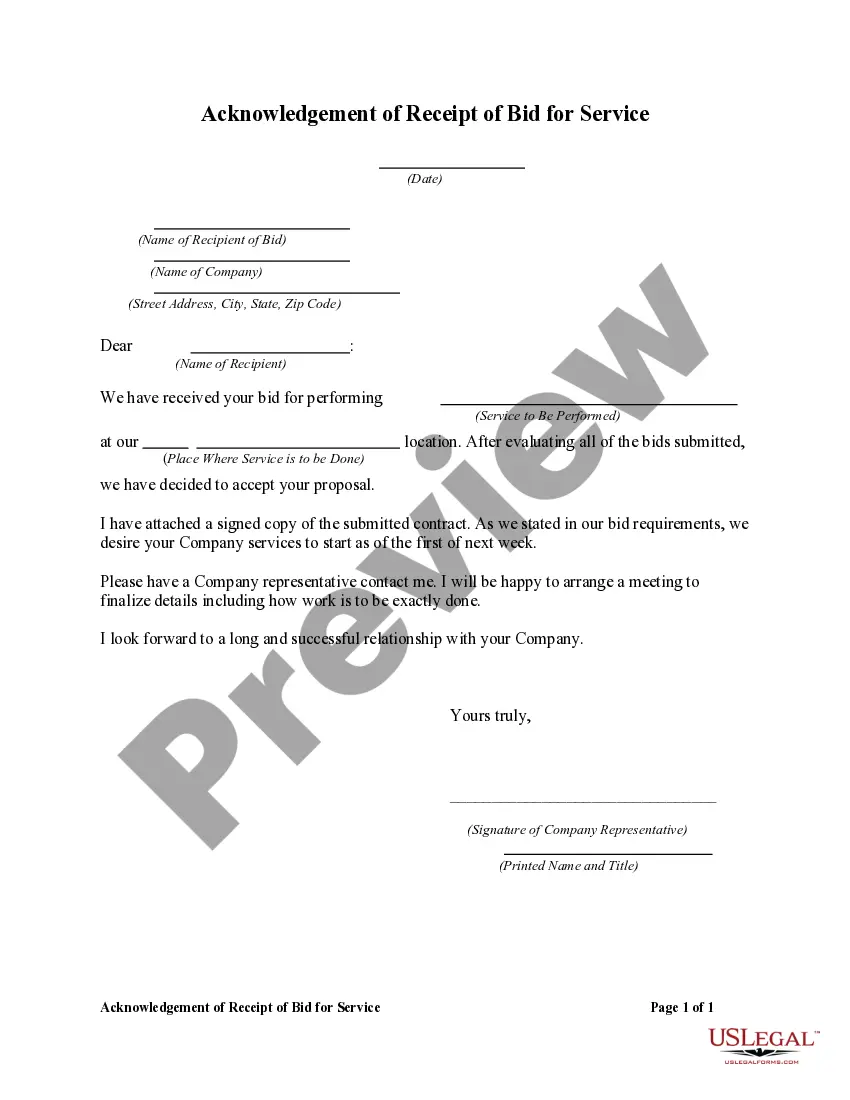
Notice Of Motion For Discovery In Georgia
Description



Get your form ready online
Our built-in tools help you complete, sign, share, and store your documents in one place.
Make edits, fill in missing information, and update formatting in US Legal Forms—just like you would in MS Word.
Download a copy, print it, send it by email, or mail it via USPS—whatever works best for your next step.
Sign and collect signatures with our SignNow integration. Send to multiple recipients, set reminders, and more. Go Premium to unlock E-Sign.
If this form requires notarization, complete it online through a secure video call—no need to meet a notary in person or wait for an appointment.
We protect your documents and personal data by following strict security and privacy standards.

Make edits, fill in missing information, and update formatting in US Legal Forms—just like you would in MS Word.

Download a copy, print it, send it by email, or mail it via USPS—whatever works best for your next step.

Sign and collect signatures with our SignNow integration. Send to multiple recipients, set reminders, and more. Go Premium to unlock E-Sign.

If this form requires notarization, complete it online through a secure video call—no need to meet a notary in person or wait for an appointment.

We protect your documents and personal data by following strict security and privacy standards.
Looking for another form?

Form popularity
FAQ
How Long Does it Take to Get Discovery in a Criminal Case? Generally, the prosecution must provide discovery within a set period after the defense's formal request, often ranging from a few weeks to several months.
Overall, discovery in a criminal case is generally considered public record, but exceptions may apply depending on the state. It is advisable to consult with a legal professional to determine the specific rules regarding public record in your state.
Usually, the first thing after you've looked at it is to go over it with your client, the defendant. At least theoretically, the discovery material should show you how to proceed. Sometimes the discovery is enough to convince a client and his attorney that the best choice is to work out the best possible disposition.
Discovery materials are, for the most part, understood to be public so long as filed with a court; otherwise, they are not necessarily accessible.
How Does Someone Request Discovery? Discovery requests must be made in the form of a written motion. The request must be submitted to the opposing party or the State if in a criminal case.
Many documents are protected for privacy. And security reasons and the exchange of evidence betweenMoreMany documents are protected for privacy. And security reasons and the exchange of evidence between the prosecution.
The prosecuting attorney shall, no later than ten days prior to trial, or at such time as the court orders but in no event later than the beginning of the trial, provide the defendant with notice of any evidence in aggravation of punishment that the state intends to introduce in sentencing.
In conclusion, discovery in a criminal case is considered a public record by law in most states. Public records promote transparency in the legal system and allow individuals, including defendants, their attorneys, members of the media, and protesters, to access relevant information regarding a case.
How Long Does it Take to Get Discovery in a Criminal Case? Generally, the prosecution must provide discovery within a set period after the defense's formal request, often ranging from a few weeks to several months.
How Long Does it Take to Get Discovery in a Criminal Case? Generally, the prosecution must provide discovery within a set period after the defense's formal request, often ranging from a few weeks to several months.